Key Takeaways
- Canadians are drawn to Mexico for the climate, the pace of life, the food and culture, and the fact that it sits in North American time zones a short flight from home.
- The Canadian dollar buys more in pesos than it does at home, stretching budgets for rent, groceries and dining out.
- Before you move, even part-time, you need to understand regional safety advice, health coverage and what living abroad means for Canadian tax residency.
- Global Affairs Canada and the Canada Revenue Agency publish detailed guidance; this is not a decision to make on instinct alone.
- Renanza's Mexico projects show what homes look like for Canadians who choose to live there full-time or seasonally.
What draws Canadians south
The reasons people give for choosing Mexico are remarkably consistent. The climate comes first — warmth in January, outdoor life year-round, no ice scraper in the morning. Then the pace: markets instead of malls, walking instead of commuting, time to sit over coffee or a meal. The food is fresh, varied and inexpensive. The culture is visible in daily life, not something you visit on weekends. And Mexico sits in the same time zones as much of Canada, so a video call with family happens at a reasonable hour and a flight home is measured in hours, not a day of travel.
For many, the decision is also financial. The Canadian dollar buys more in pesos than it does at home. Rent, groceries, utilities and meals out cost less, and that difference adds up over a month or a year. According to the Bank of Canada, one Canadian dollar bought 13.2048 Mexican pesos as of November 6, 2026 — the indicative rate, not what you will see at a currency exchange, but a benchmark that shows the direction. That purchasing power is part of the appeal, especially for retirees on fixed incomes or people working remotely who want their earnings to stretch further.
Community matters, too. Canadians who move to Mexico often settle in places where other Canadians and Americans already live, so there are English speakers, familiar services and people who understand what it is like to navigate life in a second country. At the same time, many people value the chance to learn Spanish, to know their neighbours and to live as part of a Mexican community rather than apart from it.
What daily life looks like
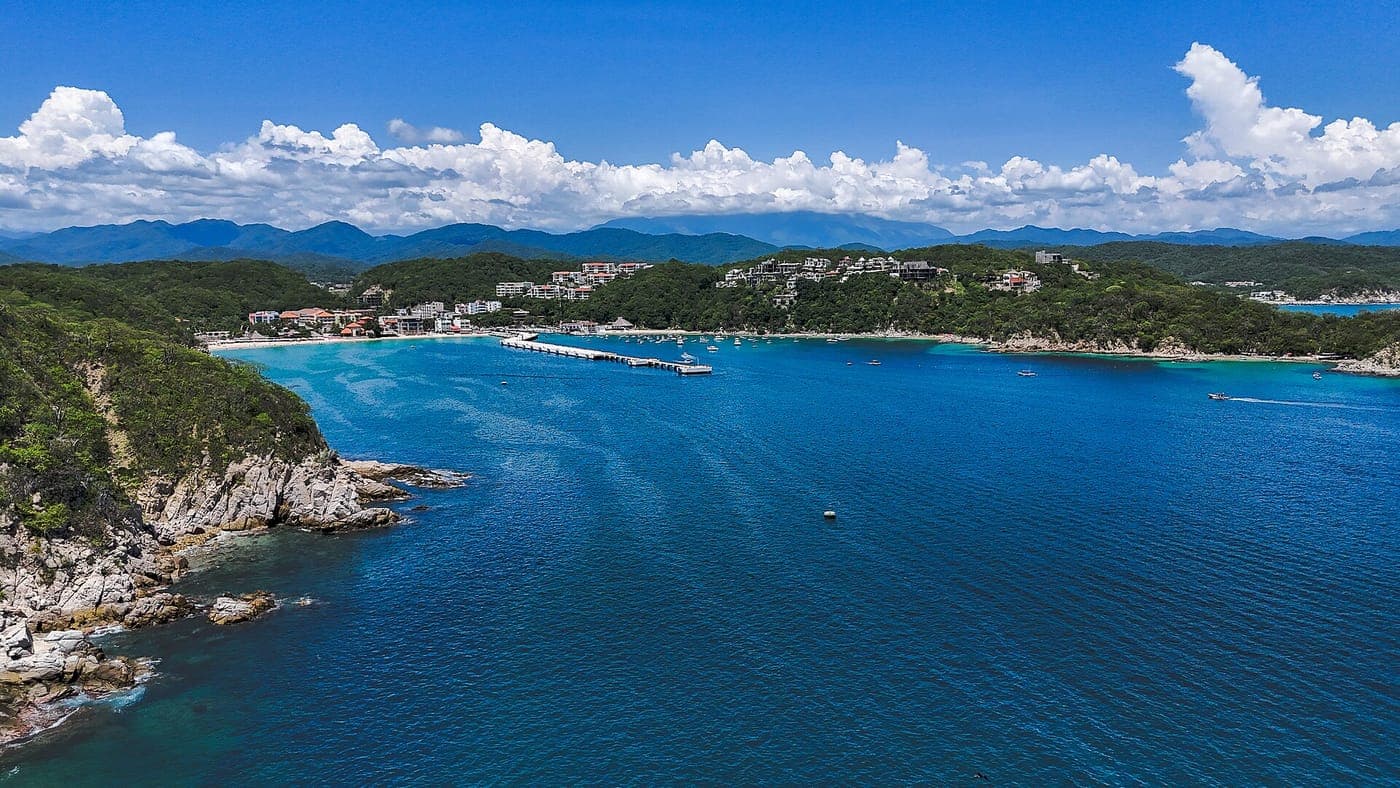
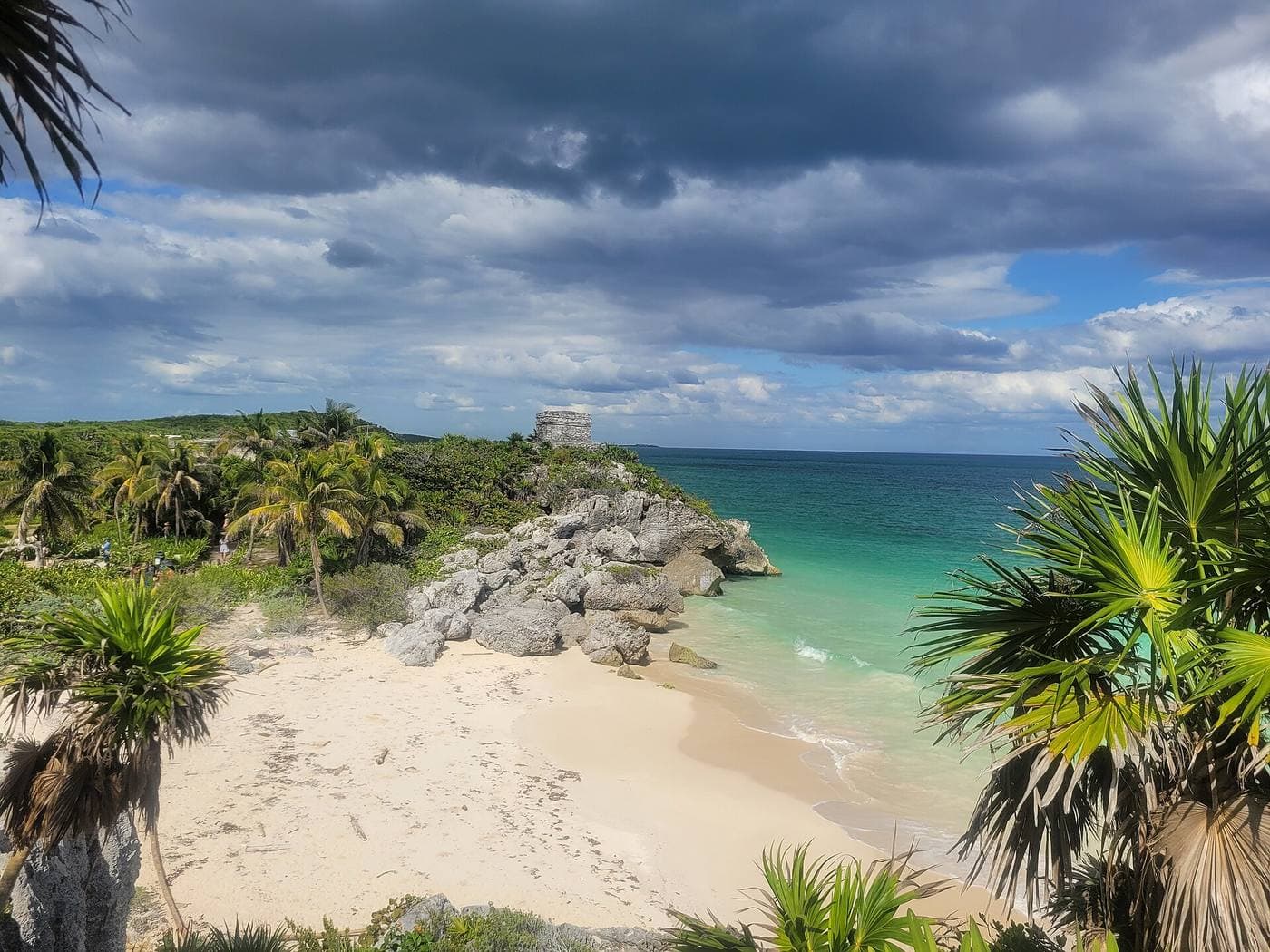
Life in Mexico for Canadians varies by location. Some choose colonial cities in the highlands — cooler, walkable, full of history. Others head to the coast for beaches, fishing villages and the sound of the ocean. Still others settle in larger cities where there are hospitals, international schools and the infrastructure that comes with density.
A typical day might start with a walk to the market for produce, then coffee at a café where the owner knows your name. Errands are done on foot or by bus. Lunch is the main meal, often eaten at home or at a small restaurant. The afternoon is hot, so people rest or work indoors. The evening cools off, and the streets fill again. Dinner is late by Canadian standards, and it is common to see families out together well past what would be bedtime at home.
The rhythm is different. Things take longer, but there is less urgency. Bureaucracy can be slow, and you learn patience. Services that Canadians take for granted — fast internet, next-day delivery, a pharmacy open at midnight — are not always available, or not in the same form. You adapt, or you choose a place where those things exist.
Weather shapes the day. In coastal areas, mornings are for outdoor activity before the heat sets in. In the highlands, the temperature is mild year-round, but the rainy season from June to October means afternoon storms. You plan around it.
What to know before you make the move
Moving to Mexico, even part-time, requires more than booking a flight and finding a rental. Global Affairs Canada publishes detailed travel advice for Mexico, updated as conditions change. The country is large, and safety varies by region. Some areas have high levels of violence and organized crime, and Global Affairs Canada advises avoiding non-essential travel to certain states. Other areas, particularly major tourist destinations, have lower levels of gang-related violence because Mexican authorities have made efforts to protect them. But violent crime still occurs in cities, resorts and popular areas, and confrontations between criminal groups and security forces can happen without warning.
Global Affairs Canada recommends that Canadians exercise a high degree of caution throughout Mexico and avoid non-essential travel to specific states and regions. The advice is detailed and regional; read it carefully and understand where you are going. If you are in Mexico, register with the Registration of Canadians Abroad service so the government can reach you in an emergency.
Health coverage is another essential. Canadian provincial and territorial health plans provide limited or no coverage outside Canada. You need private travel or expatriate health insurance that covers you in Mexico, including emergency medical evacuation if necessary. Global Affairs Canada emphasizes this in its guide for Canadians living abroad: do not leave the country without insurance.
Tax residency is more complex than many people expect. According to the Canada Revenue Agency, you generally become a non-resident of Canada for tax purposes when you leave Canada to settle in another country, sever your residential ties with Canada, and become a resident of the country you move to. Severing residential ties means you do not keep your main ties with Canada — you sell or give up your home, your spouse or dependants leave with you, and you dispose of personal property and break social ties in Canada while establishing them in another country.
If you keep residential ties in Canada, you may still be considered a factual resident of Canada, which means you continue to pay Canadian tax on your world income. The rules are detailed, and the consequences of getting them wrong are significant. The Canada Revenue Agency's guidance for emigrants is the place to start, but most people moving abroad benefit from advice from an accountant who understands cross-border tax.
You also need to notify Canadian banks and any institutions that pay you — pensions, investment accounts — that you are no longer a resident of Canada. If you owned property or investments when you left, you may have to report a deemed disposition and pay departure tax, even though you have not sold anything. If the total fair market value of all the property you owned when you left Canada was more than $25,000, you must complete Form T1161.
Visa and residency requirements are set by Mexico, not Canada. Contact the Mexican embassy or consulate in Canada to find out what documents you need and what the process involves. Some Canadians live in Mexico on a tourist visa, leaving every six months; others apply for temporary or permanent residency. The rules and the paperwork differ depending on your situation.
Where Renanza's Mexico projects fit
Renanza works with developers and brokers in Mexico to bring Canadian buyers access to homes in the regions Canadians choose: coastal resorts, colonial cities and communities built with international buyers in mind. The projects include condos, villas and houses, many in presale or newly completed. You can see what is available, what the layouts and finishes look like, and what the price is in Canadian dollars.
If you are considering a move to Mexico, whether full-time or seasonal, start by understanding the practical side — safety, health, tax, visas — and then look at what kind of home and community suits the life you want to live. Renanza's Mexico projects are one place to see what is on the market. For broader guidance, Global Affairs Canada and the Canada Revenue Agency publish the official information every Canadian moving abroad needs to read.
Sources
Bank of Canada — Canadian dollar to Mexican peso daily exchange rate, November 2026
Global Affairs Canada — Travel advice and advisories: Mexico, October 2026
Global Affairs Canada — Living abroad: a guide for Canadians, September 2026
Canada Revenue Agency — Leaving Canada (emigrants): residency status and tax, 2026
Data last checked: 2026-11-06