Key Takeaways
- Canadians are drawn to Mexico for the climate, the pace of life, and the proximity — a few hours by air and in the same time zones as home.
- The Canadian dollar buys more in pesos, stretching budgets for housing, food and daily expenses.
- Global Affairs Canada advises checking regional safety guidance, securing health insurance, and understanding what living abroad means for tax residency.
- Renanza's Mexico projects show what homes look like, from coastal condos to gated communities inland.
What draws people south
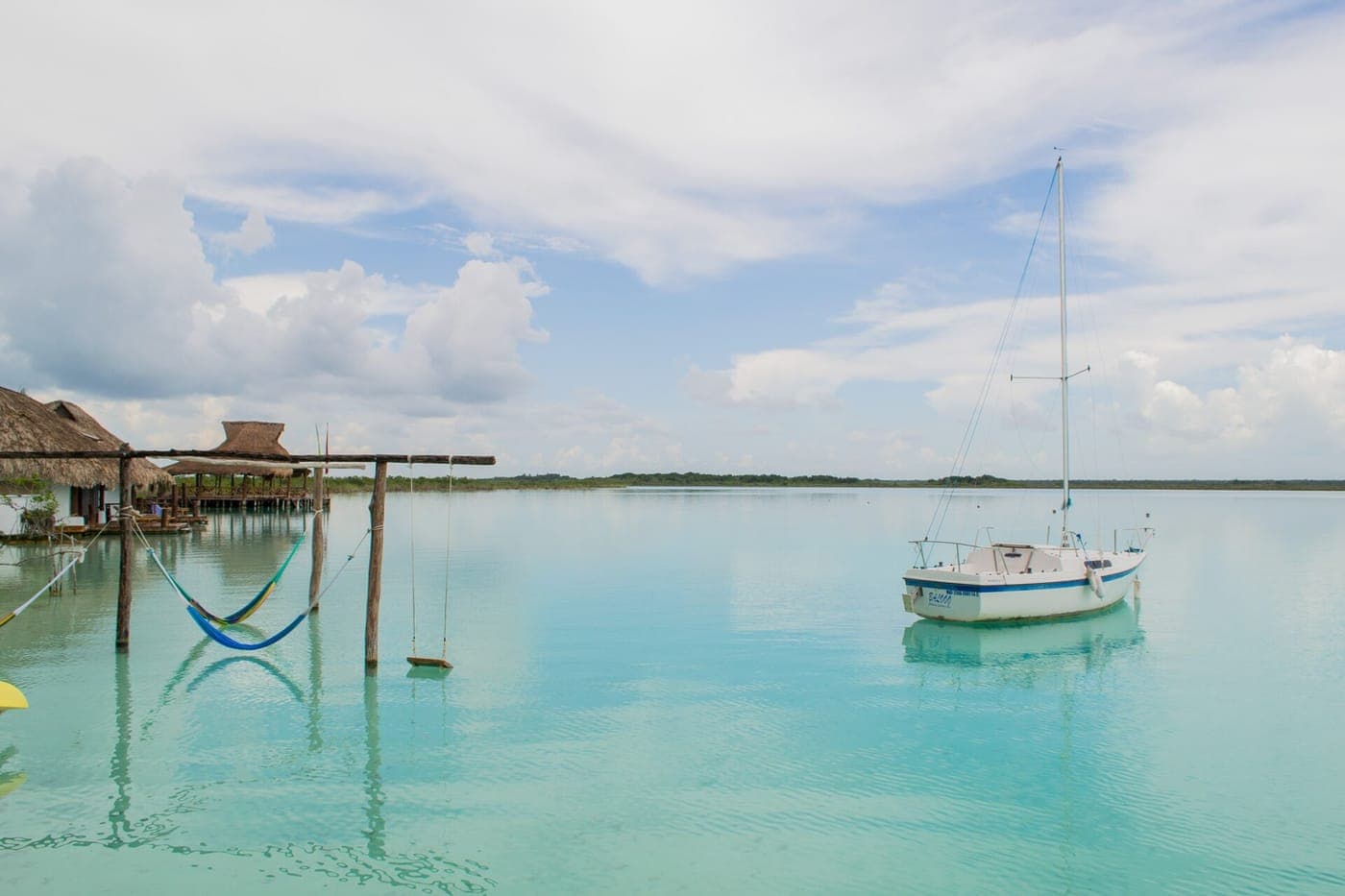
The pull is simple: warmth when Canada is cold, a slower rhythm when life at home feels relentless, and a place where the Canadian dollar stretches further. For some, Mexico is a winter escape — three or four months on the coast while snow piles up in Calgary or Toronto. For others, it's a full-time move, a decision to trade the familiar for something different but still close enough to visit family without crossing an ocean.
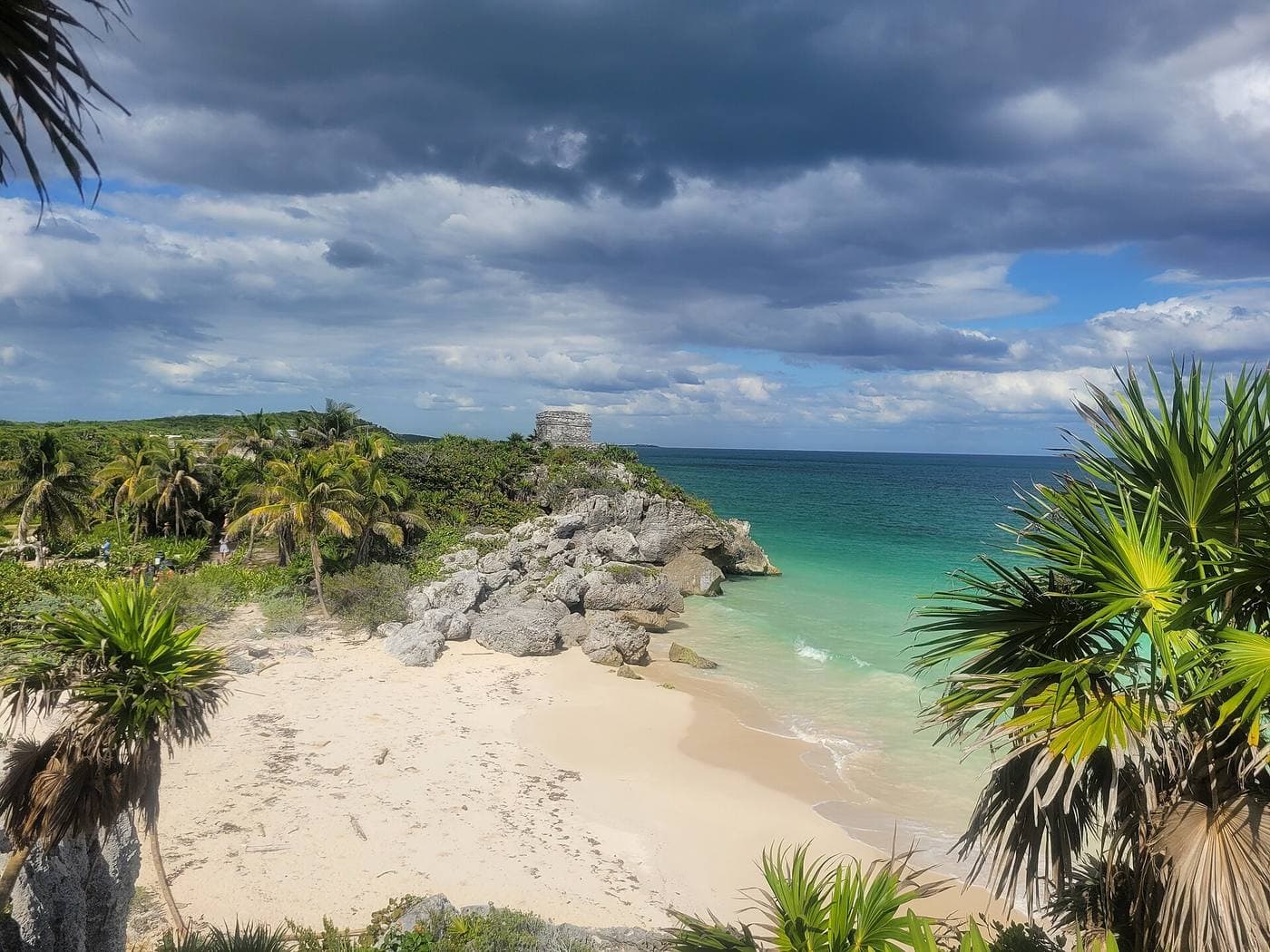
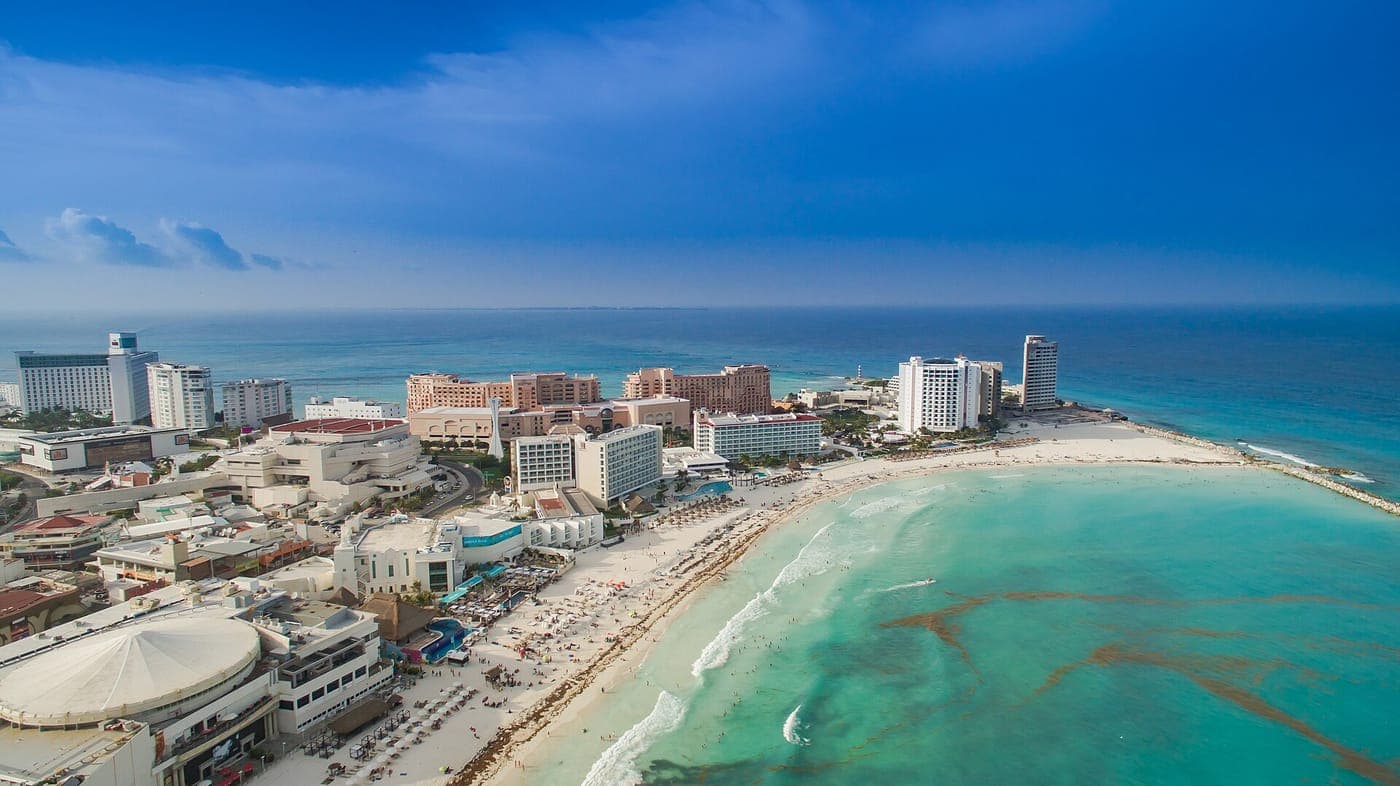
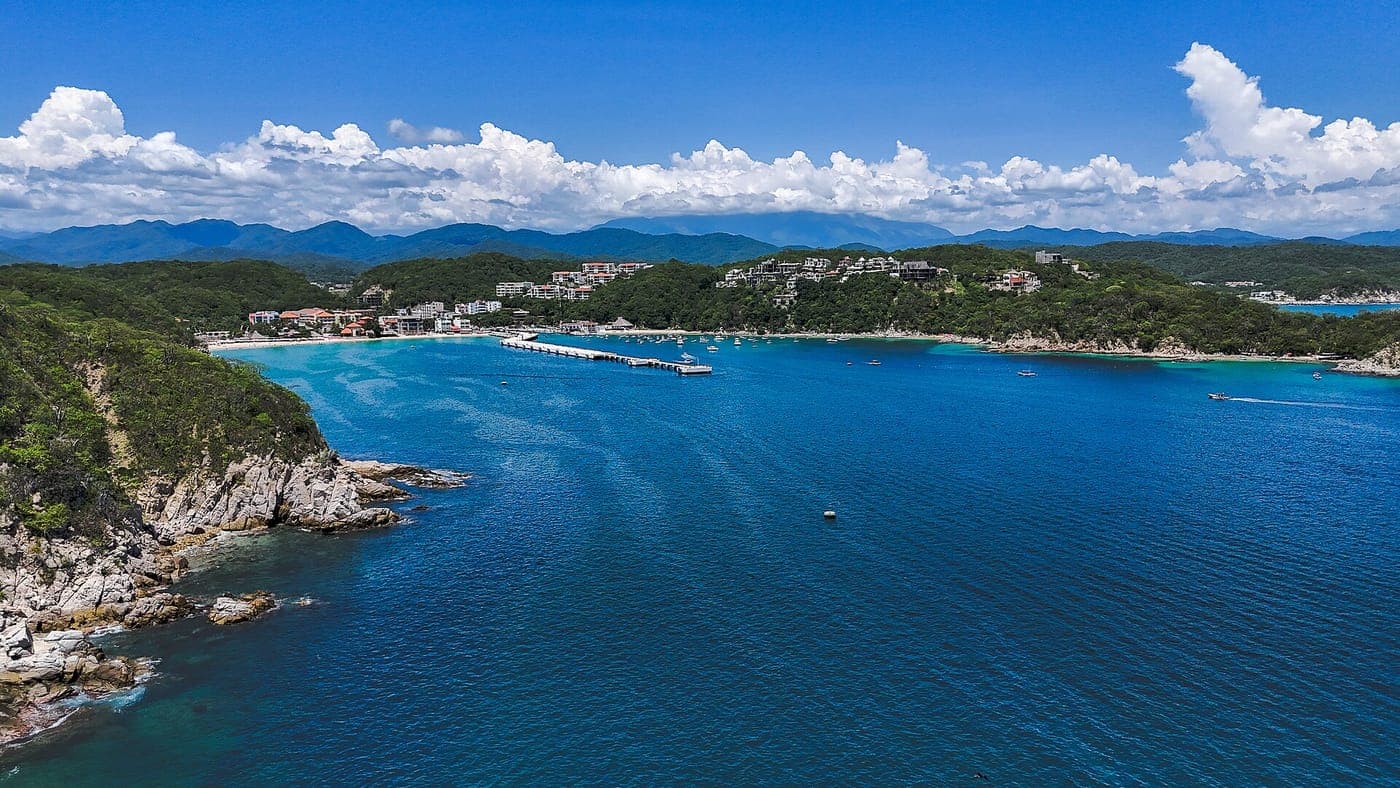
The appeal starts with the climate. Coastal cities like Puerto Vallarta, Playa del Carmen and Mazatlán offer steady warmth, blue water and outdoor life year-round. Inland, cities like San Miguel de Allende and Mérida bring colonial architecture, markets and a pace that feels unhurried. The time zones match most of Canada — no middle-of-the-night calls to sort out banking or catch up with family.
Then there's the community. Canadians who move south often find others who made the same choice, creating informal networks that share advice on everything from where to buy groceries to which notary to use. Spanish is the language of daily life, but English is common in the places where Canadians settle, and learning enough Spanish to navigate a market or chat with neighbours becomes part of the experience.
What the dollar buys
As of October 2026, one Canadian dollar bought 12.875 Mexican pesos, according to the Bank of Canada's indicative rate. That figure moves daily and the rate you get at a bank counter or currency exchange will differ, but the direction is clear: the Canadian dollar goes further in Mexico than it does at home.
Rent, groceries, dining out and household help all cost less in peso terms than their equivalents in Canadian cities. A two-bedroom condo near the beach in a popular expat area might rent for a fraction of what a similar place costs in Vancouver or Toronto. Fresh produce at a local market is inexpensive, and eating out — from street tacos to sit-down meals — is affordable enough to do regularly. For retirees on a fixed income or remote workers earning Canadian salaries, that difference matters.
Renanza's Mexico projects show what's available: beachfront condos in new towers, homes in gated communities with pools and security, and older properties in walkable neighbourhoods. The range is wide, and the choice depends on what kind of life you want — resort-style amenities or a quieter street where you know your neighbours.
What daily life looks like
A typical day in a Mexican coastal city starts early, before the heat sets in. Mornings are for the market, a walk along the malecón, or coffee at a café where the owner knows your name. Afternoons slow down — shops close, people retreat indoors, and the rhythm shifts. Evenings come alive again: street vendors set up, restaurants fill, and the plaza becomes the centre of town.
For Canadians who settle in Mexico, the adjustment is partly practical — learning which bus to take, where to pay the water bill, how to navigate a system that runs on different assumptions — and partly cultural. Life moves at a different speed. Appointments are suggestions, not contracts. Relationships matter more than efficiency. Some people find that liberating; others find it frustrating.
The food is a draw in itself. Coastal cities offer fresh seafood, ceviche and grilled fish. Inland, the cuisine shifts to mole, tamales and regional specialties that vary from state to state. Canadians who cook at home adapt to what's available: different cuts of meat, unfamiliar vegetables, and staples like tortillas and chiles that become part of the routine.
What to sort out before you move
Global Affairs Canada publishes detailed travel advice for Mexico, updated as conditions change. The guidance is regional: some areas carry warnings to avoid non-essential travel due to violence and organized crime, while major tourist destinations and cities like Mérida, Querétaro and parts of the coast are considered lower risk. The advice is clear — check the specific region you're considering and monitor updates regularly.
Health insurance is essential. Canadian provincial health plans offer limited or no coverage outside the country, and medical care in Mexico — while often less expensive than in Canada — still requires payment. Global Affairs Canada advises securing private travel or expatriate health insurance that covers emergency care, hospitalization and evacuation if needed. Some Canadians also purchase local Mexican insurance for routine care.
Tax residency is more complicated than it appears. The Canada Revenue Agency considers you a resident for tax purposes based on your ties to Canada — your home, your family, your bank accounts — not simply where you spend your time. Leaving Canada to live elsewhere may make you a non-resident, but only if you sever those ties. If you keep a home in Canada, maintain a Canadian driver's licence, or your spouse stays behind, you may still be considered a factual resident and owe Canadian tax on your worldwide income.
The CRA's guidance on leaving Canada explains that you become a non-resident on the latest of three dates: when you leave, when your spouse and dependants leave, or when you become a resident of the country you move to. If you're considered a non-resident, you pay Canadian tax only on Canadian-source income — but you must notify your bank and any Canadian payers of the change. The rules are detailed, and the consequences of getting them wrong are significant. The CRA recommends consulting a tax professional before you move.
Global Affairs Canada also advises registering with the Registration of Canadians Abroad service, a free tool that connects you to the nearest Canadian consulate in case of an emergency. It's not mandatory, but it's a straightforward step that can matter if something goes wrong.
Who it suits
Mexico works for people who want warmth, a lower cost of living, and a life that feels different without being unrecognizable. It suits retirees who want their savings to last longer, remote workers who can earn in Canadian dollars and spend in pesos, and anyone willing to adapt to a new culture while staying close enough to Canada to visit when needed.
It's not for everyone. The language barrier is real if you don't speak Spanish. The bureaucracy can be opaque. Safety varies by region, and the places that feel safest are often the most expensive. Infrastructure — roads, internet, water supply — is inconsistent. And living abroad, even somewhere warm and welcoming, means being far from family, friends and the systems you understand.
But for those who make the move, the trade-offs are worth it. The warmth, the food, the slower pace, the community of others who chose the same path — it adds up to a life that feels richer in some ways and simpler in others. And when the Canadian winter arrives, they're a few hours away by plane, watching the sunset over the Pacific or the Caribbean while the snow falls at home.
Renanza's Mexico listings show what's available right now, from presale projects to move-in-ready homes. If you're considering a move south, start with the practical steps — check the travel advice, talk to a tax advisor, and look at what homes actually cost. Then visit, spend time in the places you're considering, and see if the life you imagine matches the one you find. For a free home valuation or to explore international projects, visit Renanza's home evaluation page.
Sources
Bank of Canada — Canadian dollar to Mexican peso daily exchange rate, October 2026
Global Affairs Canada — Travel advice and advisories: Mexico, updated October 2026
Global Affairs Canada — Living abroad: a guide for Canadians, revised September 2026
Canada Revenue Agency — Leaving Canada (emigrants): residency status and tax, current guidance
Data last checked: 2026-10-09