
Key Takeaways
- Canadians are drawn to Mexico for year-round warmth, a slower pace, rich culture and food, and proximity to home — a few hours by air, in the same time zones.
- The Canadian dollar bought 12.5251 Mexican pesos as of late September 2026, stretching household budgets further than at home.
- Global Affairs Canada advises exercising a high degree of caution and checking regional advisories; provincial health coverage typically expires after six months abroad.
- The Canada Revenue Agency considers you a non-resident once you sever residential ties, with tax obligations that depend on your status and income sources.
- Renanza's Mexico projects show what homes look like in communities Canadians favour, from coastal condos to colonial-town houses.
Why Canadians Head South
Picture a January morning in Puerto Vallarta. The air is warm by eight o'clock, the sky clear. You walk to the corner café for coffee and pan dulce, then stop at the mercado for tomatoes, avocados and fresh tortillas. By mid-morning you are back at your condo, the Pacific visible from the terrace, and the rest of the day is yours.
That rhythm — unhurried, outdoors most of the year, woven into a neighbourhood where you know the baker and the woman who sells flowers — is what draws a growing number of Canadians to Mexico. Some stay for the winter, others year-round. The reasons overlap: climate, cost, culture, and the fact that Mexico is close. You can be in Puerto Vallarta or Playa del Carmen in four or five hours from Toronto or Vancouver, still in Eastern or Central time, and home again for a family event without crossing too many zones or spending a day in the air.
The Canadian dollar bought 12.5251 Mexican pesos as of September 25, 2026, according to the Bank of Canada's daily indicative rate. That exchange rate means groceries, dining out, household help and many services cost less in peso terms than their Canadian-dollar equivalents at home, though the rate fluctuates and the price you receive at a bank counter or casa de cambio will differ. Still, the arithmetic is part of the appeal: a fixed Canadian pension or remote income stretches further.
So does the appeal of a different daily life. Markets are social, not just transactional. Meals are long. Neighbours talk in the street. For Canadians used to winter darkness and the logistics of snow, the chance to walk to dinner in sandals in February, or to swim before breakfast, is not trivial.
What Daily Life Looks Like
Canadians who settle in Mexico — even part-time — describe a life that is both simpler and richer. Simpler because the weather allows you to own less (no winter wardrobe, no snow tires, no furnace repairs) and because the pace is slower. Richer because food, music, festivals and craft traditions are everywhere, not confined to special occasions.
In San Miguel de Allende, a colonial town in Guanajuato, you might spend a morning wandering cobblestone streets, stopping at galleries and cafés, then an afternoon reading in the jardín while a brass band plays. In Mérida, the capital of Yucatán, free concerts and folk-dance performances happen several nights a week in public plazas. On the coast — Mazatlán, Puerto Vallarta, Playa del Carmen — the day often begins with a walk on the beach and ends with sunset from a rooftop bar or your own balcony.
Community matters. Canadians tend to settle in clusters, which means you will find English-language book clubs, volunteer groups, hockey nights in expat bars, and informal networks that help newcomers figure out where to buy propane or find a dentist. At the same time, many Canadians learn Spanish and build friendships with Mexican neighbours, joining in posadas at Christmas or Día de Muertos celebrations in November.
The cost of living varies by location, but in general, rent, utilities, groceries and healthcare are lower than in Canadian cities. A two-bedroom condo in a coastal resort town might rent for less than a one-bedroom in Toronto. A housekeeper or gardener a few hours a week is affordable for middle-income households. Private health insurance is available and often less expensive than equivalent coverage in Canada, though the quality and availability of care varies by region.
Renanza's Mexico projects show what homes look like in the communities Canadians favour: beachfront condos with shared pools and security, houses in gated developments near golf courses, and older homes in historic centres that buyers renovate. The range is wide, from modest apartments to luxury villas, and the choice often comes down to whether you want the beach, the mountains, or a walkable colonial town.
What to Know Before You Make the Move
Living in Mexico, even seasonally, requires planning. Global Affairs Canada advises Canadians to exercise a high degree of caution throughout Mexico due to high levels of criminal activity and kidnapping, and to avoid non-essential travel to certain states and regions where violence and organized crime are more prevalent. The Travel Advice and Advisories page for Mexico is updated as conditions change, and it includes a map and detailed descriptions of risk levels by state. Read it carefully, and check it again before you travel.
Safety varies by location. Tourist zones in cities like Puerto Vallarta, Playa del Carmen and Mérida generally see lower levels of violent crime than other parts of the country, but petty theft, scams and occasional violent incidents do occur. Global Affairs Canada recommends that Canadians avoid areas where demonstrations are taking place (it is illegal for foreigners to participate in political activity in Mexico), stay alert in crowded places, and follow the instructions of local authorities. If you are a victim of crime, report it in person at the nearest prosecutor's office (Ministerio Público or Fiscalía) before you leave the country; insurance companies usually require a formal report.
Health coverage is another critical consideration. According to Global Affairs Canada's Living Abroad guide, your provincial or territorial health plan may expire after six months outside Canada. That means you will need private insurance or will pay out of pocket for medical care. Research the availability and cost of healthcare in the region where you plan to live, and make sure your insurance covers the services you might need, including emergency evacuation if necessary. Many Canadians also continue to see specialists in Canada and time their visits home around medical appointments.
Tax residency is equally important. The Canada Revenue Agency explains on its Leaving Canada page that you generally become a non-resident for tax purposes when you leave Canada to live in another country and sever your residential ties — meaning you no longer keep a home in Canada, and your spouse or dependants leave with you. The date you become a non-resident is usually the latest of the date you leave Canada, the date your family leaves, or the date you become a resident of the other country. Once you are a non-resident, you pay Canadian income tax only on Canadian-source income, but you must notify Canadian banks and payers of your new status. If you keep significant ties to Canada (a home, a spouse or dependants who remain), you may still be considered a factual resident and taxed on your world income. The rules are detailed, and the CRA advises consulting the guide and, if necessary, a tax professional.
Entry requirements for Mexico depend on the length and purpose of your stay. Canadians do not need a visa for stays of up to 180 days as a tourist, but if you plan to live in Mexico longer or work remotely, you will need to apply for temporary or permanent residency. The process involves proving income or savings, and it is best started at a Mexican consulate in Canada before you move. Residency also allows you to import household goods and a vehicle duty-free under certain conditions, and to open a Mexican bank account more easily.
Global Affairs Canada recommends that Canadians sign up for the Registration of Canadians Abroad service, research local laws (including those around property ownership, marriage and child custody if you have family), and carry an emergency contact card with the details of the 24/7 Emergency Watch and Response Centre in Ottawa. The nearest Canadian embassy or consulate contact information is available on the Embassies and consulates page.
Finding Your Place
The choice of where to settle is personal. Some Canadians want the beach and the sound of waves; others prefer the altitude and spring-like climate of the central highlands. Some want a large expat community and English-language services; others seek a quieter, more Mexican experience.
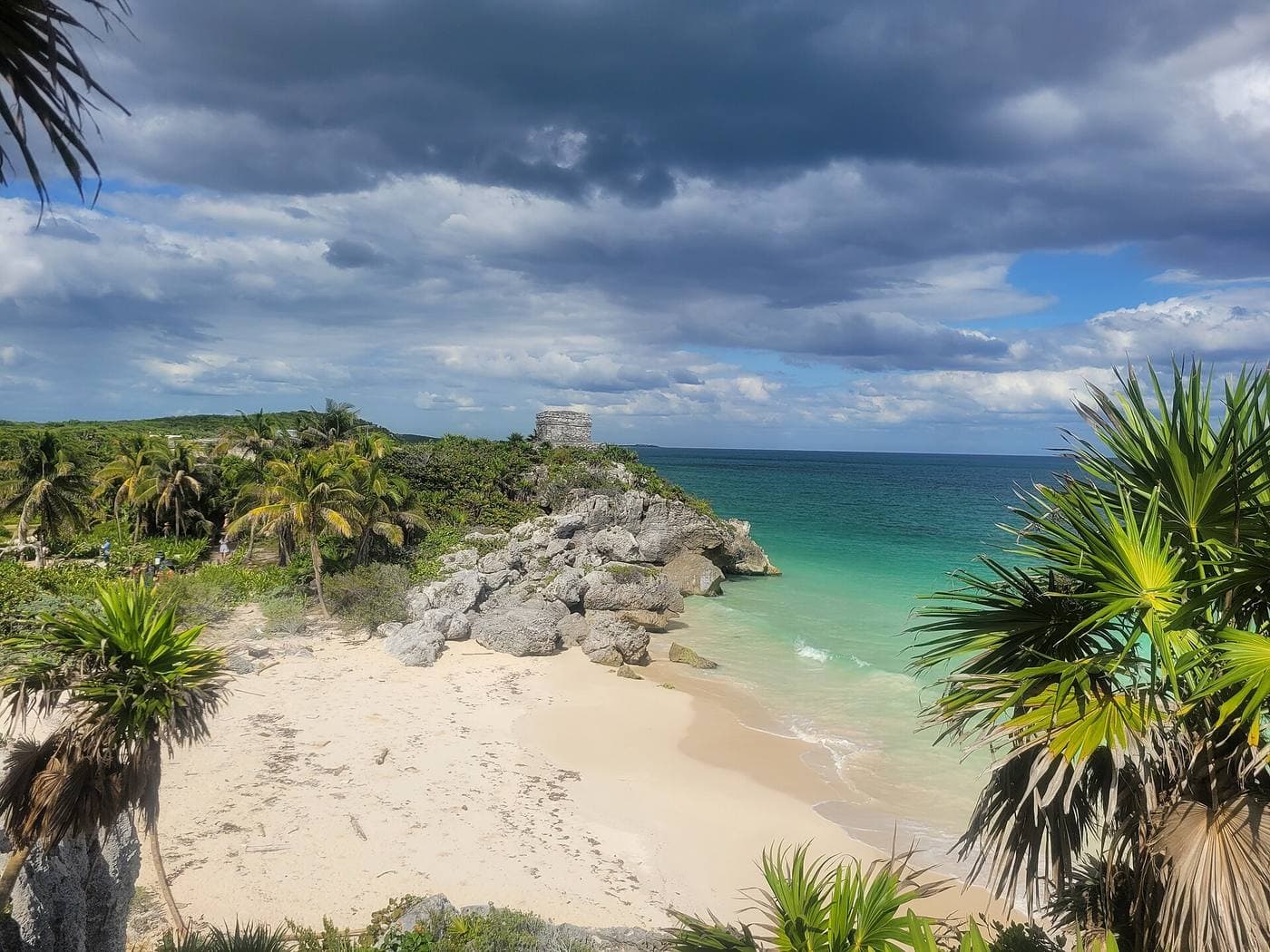
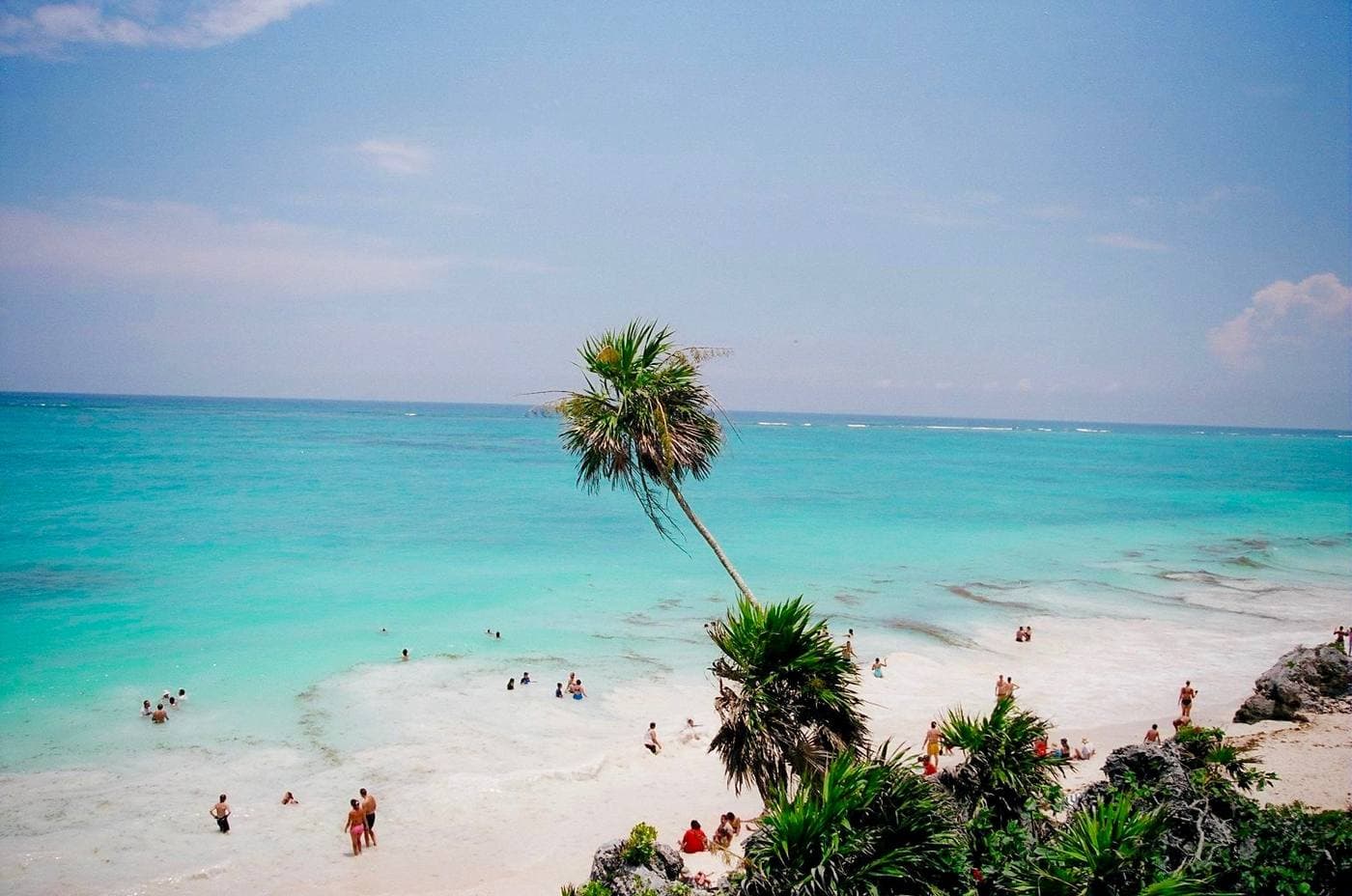
The Pacific coast — Puerto Vallarta, Mazatlán, the smaller towns in between — offers warmth, seafood, sunsets and a well-established Canadian presence. The Caribbean side — Playa del Carmen, Tulum, the islands — is equally warm but more humid, with turquoise water and proximity to Mayan ruins. The colonial cities — San Miguel de Allende, Guanajuato, Mérida — sit inland at higher elevations, cooler at night, with cobblestone streets, centuries-old churches, and a strong arts scene.
Renanza's Mexico market overview and listings give a sense of what is available and where, from pre-construction condo projects near the beach to resale homes in established neighbourhoods. Prices vary widely, and the peso exchange rate means that even modest moves in the Canadian dollar can change what a property costs in Canadian terms.
For Canadians considering the move, the advice from those who have done it is consistent: visit first, rent before you buy, learn some Spanish, and take the time to understand the practicalities — healthcare, taxes, residency, safety — before you commit. Mexico offers a different life, one that many Canadians find richer and more affordable than what they left behind. But it is not Canada with better weather. It is another country, with its own rhythms, rules and risks, and the Canadians who thrive there are the ones who come prepared and open to what they find.
If you are exploring a move to Mexico or looking at property there, Renanza can help. We work with buyers on international and presale projects, and our agents understand what Canadians need to know. Get in touch and we will walk you through the next steps.
Sources
- Bank of Canada, Canadian dollar to Mexican peso daily exchange rate, September 25, 2026, https://www.bankofcanada.ca/rates/exchange/daily-exchange-rates/
- Global Affairs Canada, Travel advice and advisories: Mexico, updated September 27, 2026, https://travel.gc.ca/destinations/mexico
- Global Affairs Canada, Living abroad: a guide for Canadians, https://travel.gc.ca/travelling/publications/living-abroad
- Canada Revenue Agency, Leaving Canada (emigrants): residency status and tax, https://www.canada.ca/en/revenue-agency/services/tax/international-non-residents/individuals-leaving-entering-canada-non-residents/leaving-canada-emigrants.html
Data last checked: 2026-09-27