Key Takeaways
- Canadians retire to Mexico for the climate, the cost of daily life in pesos, and established communities where English is spoken and familiar routines are easy to find.
- A good day often means morning coffee on a terrace, a walk to the market, lunch with neighbours, and evenings by the water — a slower pace than most left behind.
- Before you move, sort out how your pension will be paid, whether your provincial health plan covers you, and what tax residency means for both countries.
- Global Affairs Canada publishes detailed guides on visas, insurance, banking and safety; consult them and hire local professionals for legal and tax advice.
- The peso has strengthened against the Canadian dollar over the past year, so the same grocery bill or restaurant meal costs a bit more in Canadian terms than it did twelve months ago.
What Draws People South
The reasons are practical and personal. The weather is warm year-round, the cost of living is lower than in most Canadian cities, and the flight home is short enough that you can visit family or be visited without the ordeal of a transatlantic journey. Many coastal towns and inland colonial cities have Canadian communities large enough that you can find a doctor who speaks English, a book club that meets on Tuesdays, and a hardware store that stocks the fittings you need.
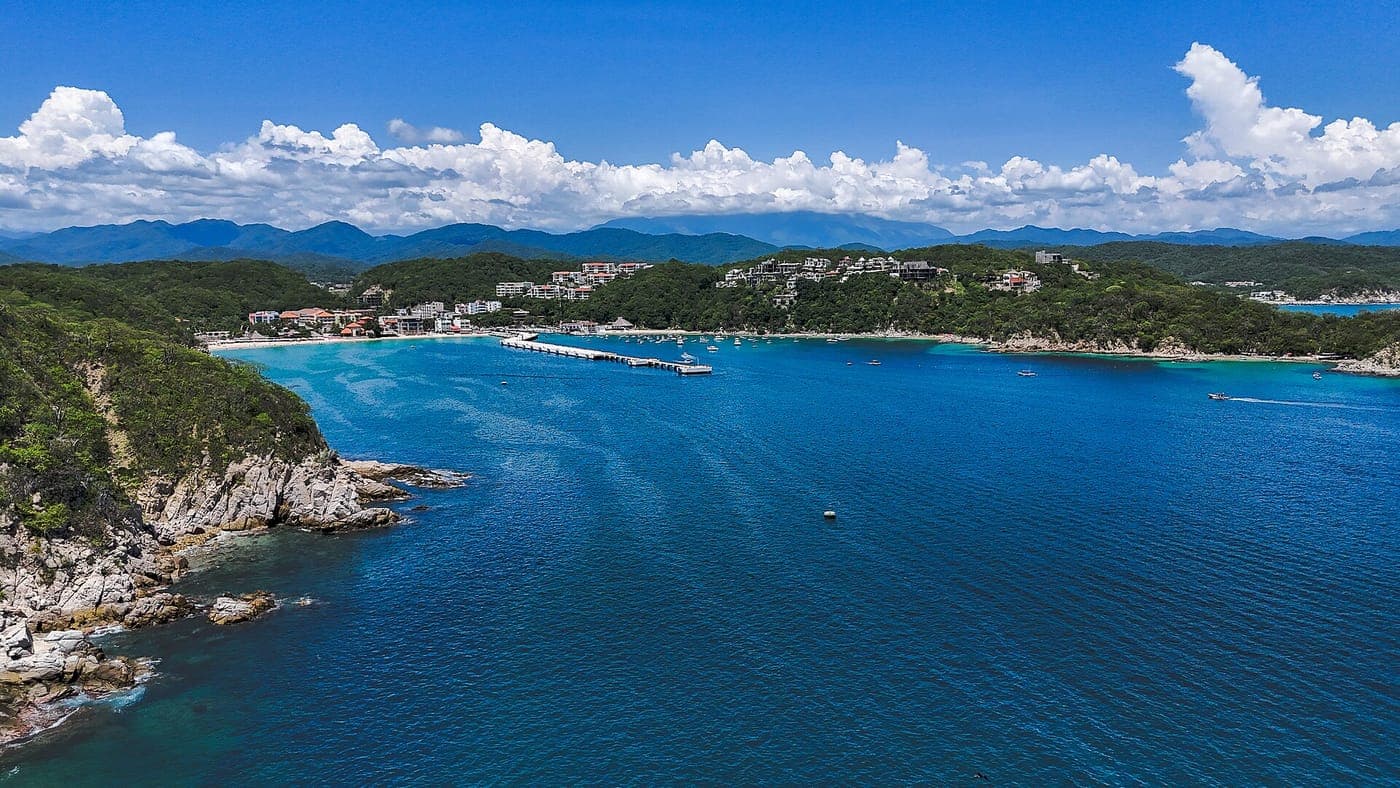
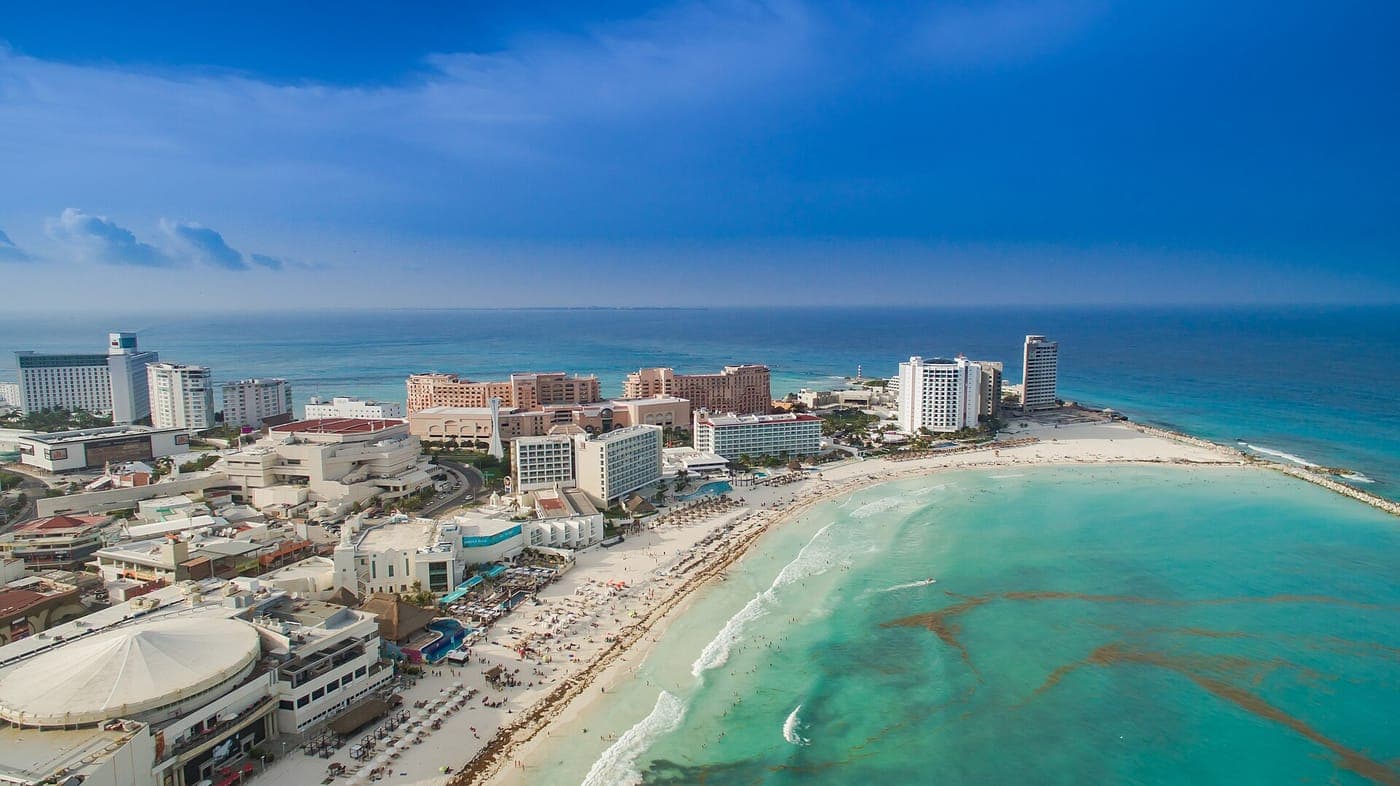
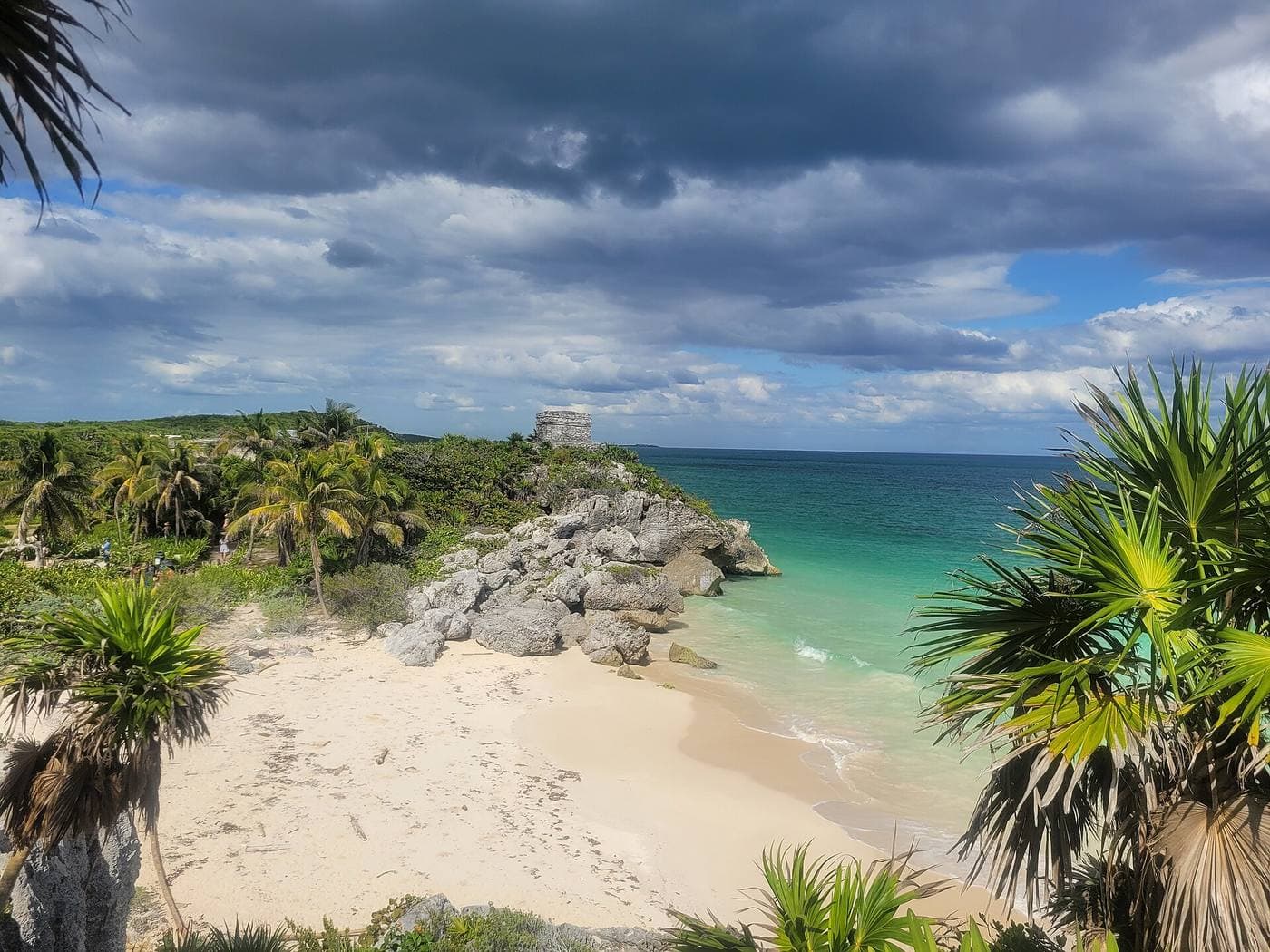
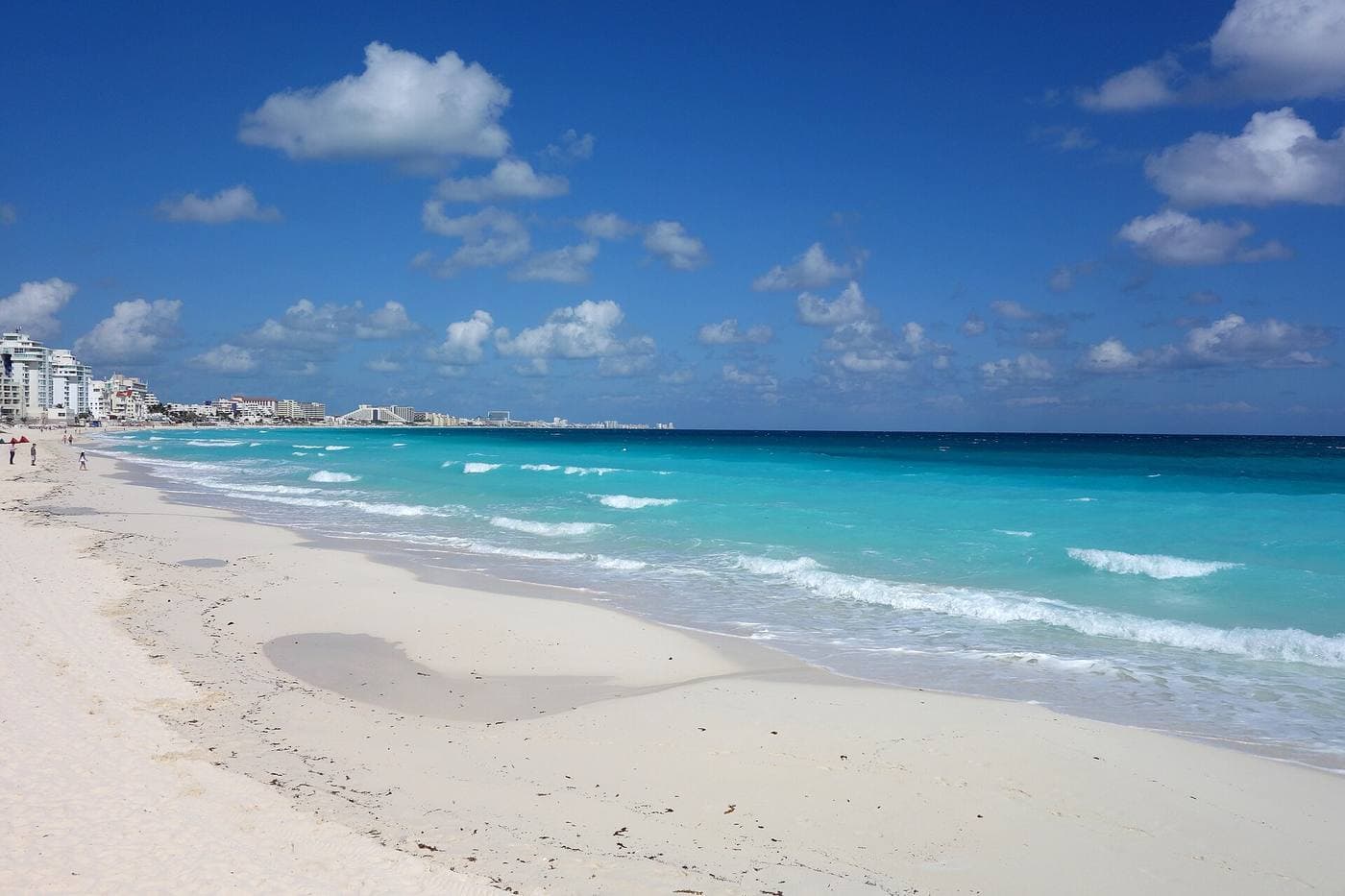
People also talk about the pace. Retirement in Mexico often means mornings that start with coffee on a balcony or terrace, a walk to the local market for fruit and fresh tortillas, and lunch that stretches into the afternoon. Evenings might be spent at a neighbour's place, at a community potluck, or simply watching the sun go down over the water. It is a life shaped by routine and by choice — less hurried, more social, and often more affordable than the one left behind.
The peso has moved against the Canadian dollar over the past year. On October 21, 2026, one Canadian dollar bought 13.2503 Mexican pesos, according to the Bank of Canada's indicative rate. That is down from earlier in the year, when the rate was more favourable. The shift means that groceries, restaurant meals, utilities and rent cost a bit more in Canadian-dollar terms than they did twelve months ago, though daily expenses in pesos remain lower than equivalent costs in most Canadian cities.
What a Good Day Looks Like
A typical day for a Canadian retiree in Mexico might begin early, before the heat builds. Coffee on the terrace, a book, the sound of birds. By mid-morning, a walk to the market — not a supermarket, but the neighbourhood mercado where vendors sell tomatoes, limes, cilantro, chicken, fish, and flowers. Conversations are brief and friendly, often in a mix of English and Spanish.
Lunch is the main meal, eaten at home or at a small restaurant where the comida corrida — a set menu of soup, rice, a main course and a drink — costs a fraction of what a similar meal would in Canada. Afternoons are quiet: a siesta, errands, time by the pool or the beach. Evenings bring cooler air and social life. Dinner with friends, a walk along the malecón, a concert in the plaza, or simply sitting outside with neighbours.
The rhythm is different. There is less pressure to fill every hour, and more room for the small pleasures that get crowded out in a busier life. For many retirees, that shift is the point.
What to Sort Out Before You Move
Global Affairs Canada publishes a detailed guide for Canadians planning to live abroad, and it is worth reading carefully before you commit to a move. The guide covers visas, health insurance, banking, pensions, tax residency, and what to do if things go wrong. It does not give legal or tax advice — you will need to hire professionals in both countries for that — but it lays out the questions you need to ask.
Visas and residency. Tourist permits allow stays of up to 180 days. If you plan to live in Mexico longer, you will need a temporary or permanent resident visa, which requires an application at a Mexican consulate in Canada before you move. The process involves proof of income or savings, and the rules change periodically. Contact the Mexican embassy or consulate in Canada for current requirements.
Pensions and banking. Your Canada Pension Plan and Old Age Security can be paid to a foreign bank account, but you need to notify Service Canada of your move and confirm that payments will continue. Some financial institutions charge fees for international transfers or currency conversion; ask your bank what the costs will be. You may also want to open a Mexican bank account once you arrive, which typically requires proof of residency and a local address.
Health care and insurance. Provincial health plans generally do not cover you outside Canada, or cover only emergency care for short trips. If you spend more than half the year outside your province, you may lose coverage entirely. Global Affairs Canada advises all Canadians living abroad to buy private health insurance that covers medical care, hospitalization and medical evacuation. Read the policy carefully — some exclude pre-existing conditions or cap payouts.
Tax residency. Moving to Mexico does not automatically end your tax obligations in Canada. The Canada Revenue Agency determines residency based on ties to Canada — whether you own property, have a spouse or dependents here, maintain bank accounts and credit cards, and how much time you spend in the country. If you remain a Canadian tax resident, you must report and pay tax on worldwide income. If you become a Mexican tax resident, you will file and pay tax in Mexico, and Canada and Mexico have a tax treaty to prevent double taxation. Hire an accountant in both countries to sort this out before you move.
Safety. Global Affairs Canada's travel advisory for Mexico notes high levels of criminal activity and kidnapping, and advises Canadians to exercise a high degree of caution. Some states carry an advisory to avoid non-essential travel due to violence and organized crime. The advisory also notes that major tourist destinations have lower levels of gang-related violence, though violent crime still occurs. The situation varies widely by region. Read the advisory for the area where you plan to live, register with the Registration of Canadians Abroad service, and follow local news.
Renanza works with clients buying property in Mexico, and we can walk you through what the process looks like, what legal steps are required, and how to protect your interests. If you are considering a move, start by talking to people who have already made it, reading the government guides, and visiting the area more than once before you commit. Explore our Mexico market overview or browse current listings.
Sources
Bank of Canada — Canadian dollar to Mexican peso daily exchange rate, October 2026 Global Affairs Canada — Travel advice and advisories: Mexico, October 2026 Global Affairs Canada — Living abroad: a guide for Canadians, September 2026
Data last checked: 2026-10-21