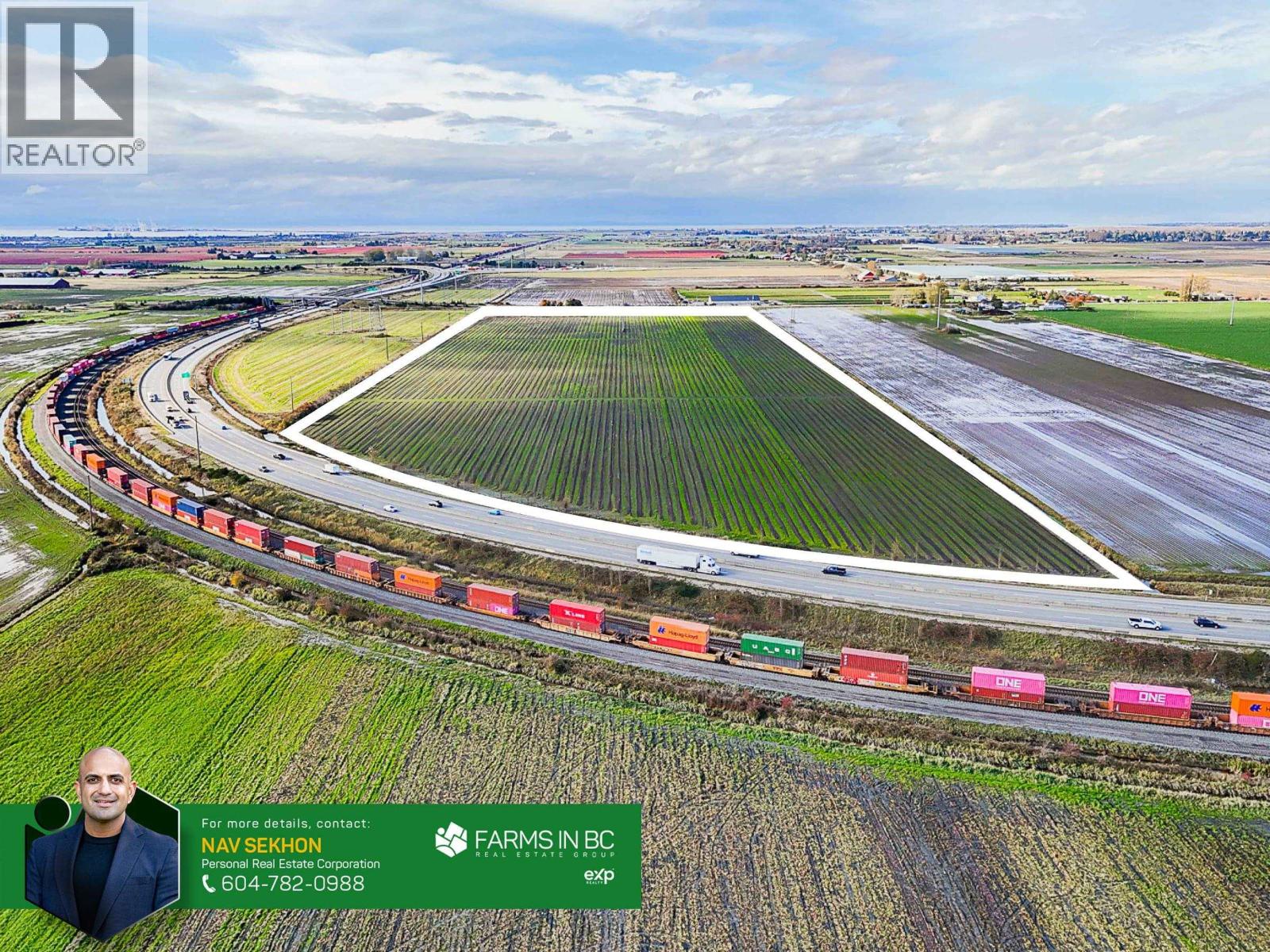
 For sale6
$3,998,000
3240 64 STREET
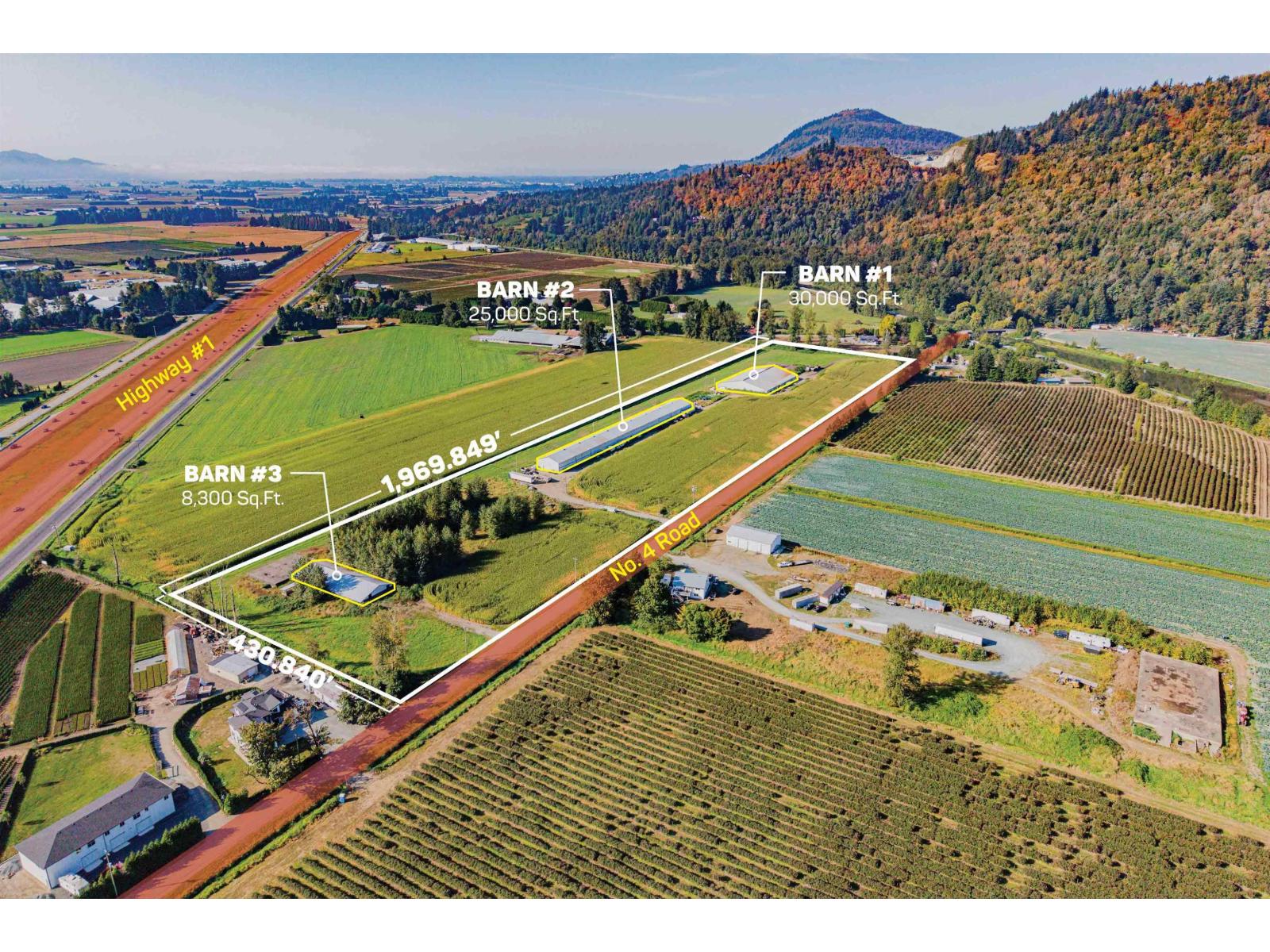
AgricultureMLS® C8076953
Acreage ownership trades density for space — and comes with its own utilities, access and zoning questions that a city lot never raises.
Confirm the water source (well, licensed surface water, or municipal connection) and get a recent well report if there is one — flow rate and water quality both affect financing and day-to-day life. Septic systems should have a recent inspection and a clear record of their permit; a failing septic field is one of the most expensive surprises on a rural purchase.
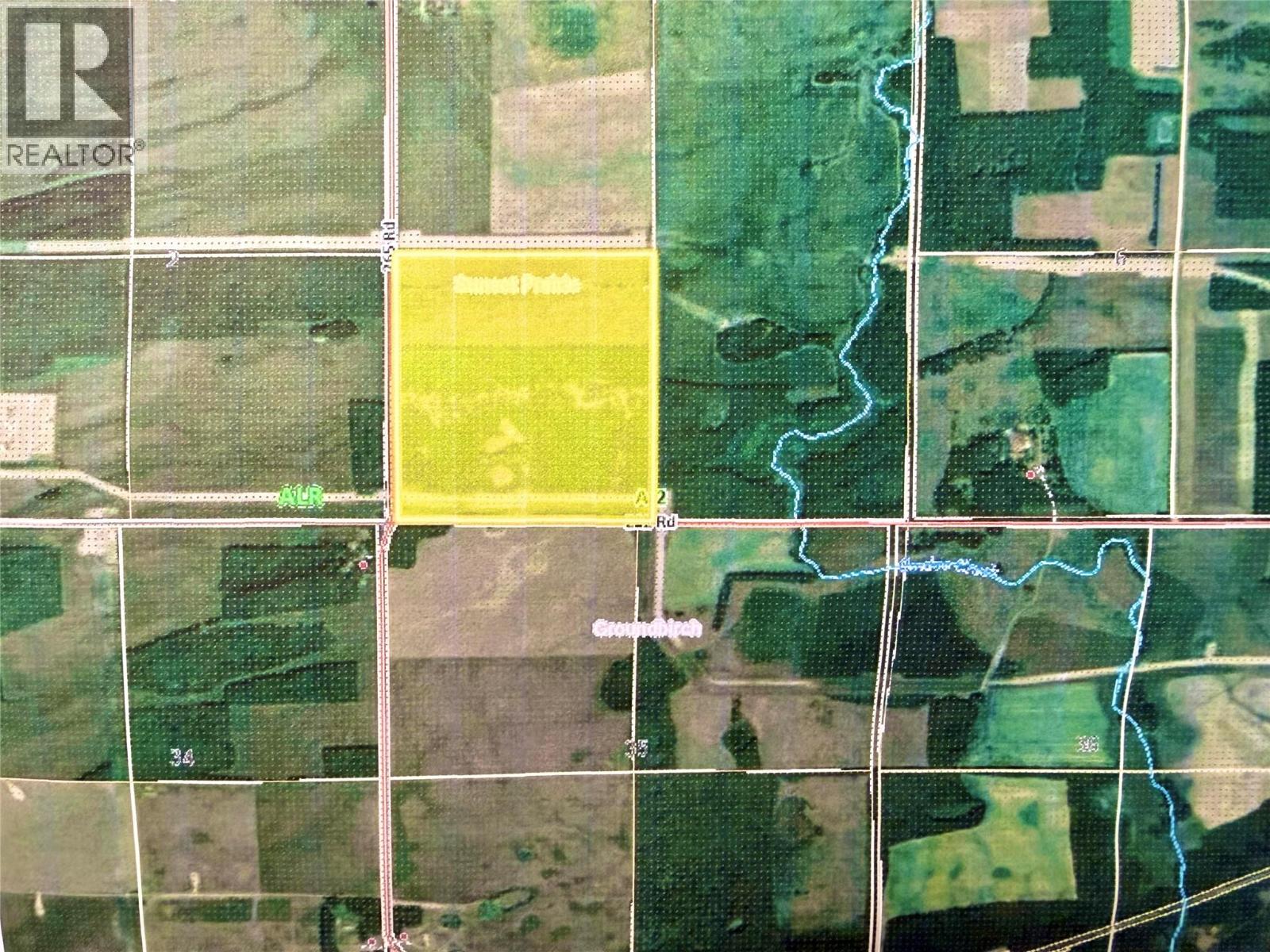
In BC, land within the Agricultural Land Reserve carries real restrictions on subdivision, non-farm use and what structures you can add, regardless of the zoning shown on a listing summary — ALR status is worth confirming directly with the local government before you assume you can build a shop or secondary suite. Alberta doesn't have an ALR-equivalent designation, but county-level land use bylaws still govern subdivision and secondary structures, and vary by municipal district.
If yours isn't here, ask us directly — we'd rather answer it now.
It depends on the zoning, minimum parcel size in that jurisdiction, and — in BC — whether the land is in the Agricultural Land Reserve, which restricts subdivision significantly. We check subdivision potential with the local government before you rely on it as part of your plan.
Sometimes. Lenders often cap how much land they'll lend against (commonly around 10 acres for a standard residential mortgage, with the excess land treated differently), and properties with a well and septic instead of municipal services may need extra documentation. We'll flag this early with your mortgage professional.
Ask for a recent water quality test and flow rate, and ideally well records showing depth and history. A weak-producing well or poor water quality can be expensive to remediate, and some lenders require satisfactory water quality results before funding.
Tell us your timeline and budget and we'll line up viewings that actually fit.