A vacation home on the Pacific coast that you use part of the year and rent out the rest. A presale condo in a resort community that starts earning income before you retire there. For Canadians looking at Mexico, the appeal is often a blend of lifestyle and return — a place you enjoy and an asset that generates cash flow.
The exchange rate adds to the calculus. The Canadian dollar has moved against the peso over the past year, and that shift changes what your money buys and what your rental income is worth when it comes home. But an investment property in another country also brings reporting obligations that many buyers overlook until after the purchase. The Canada Revenue Agency has specific rules, and the Government of Canada publishes travel and safety guidance that shapes where and how people invest.
Key Takeaways
- Canadians buy in Mexico for a combination of personal use and rental income, with coastal vacation properties and presale projects among the most common strategies.
- The Canadian dollar bought more pesos in early September 2026 than it does now, affecting both purchase price and the value of rental income converted back to Canadian dollars.
- If you own foreign property with a total cost amount over one hundred thousand dollars, the Canada Revenue Agency requires you to file Form T1135 each year, and rental income is taxable in Canada.
- Travel advisories from Global Affairs Canada identify regions where violence and organized crime are concerns; these advisories matter for both personal safety and rental demand.
- Professional tax and legal advice is essential before you buy — the rules on reporting, withholding and deductions are detailed and the consequences of missing them are not trivial.
Why Canadians Look at Mexico for Investment Property
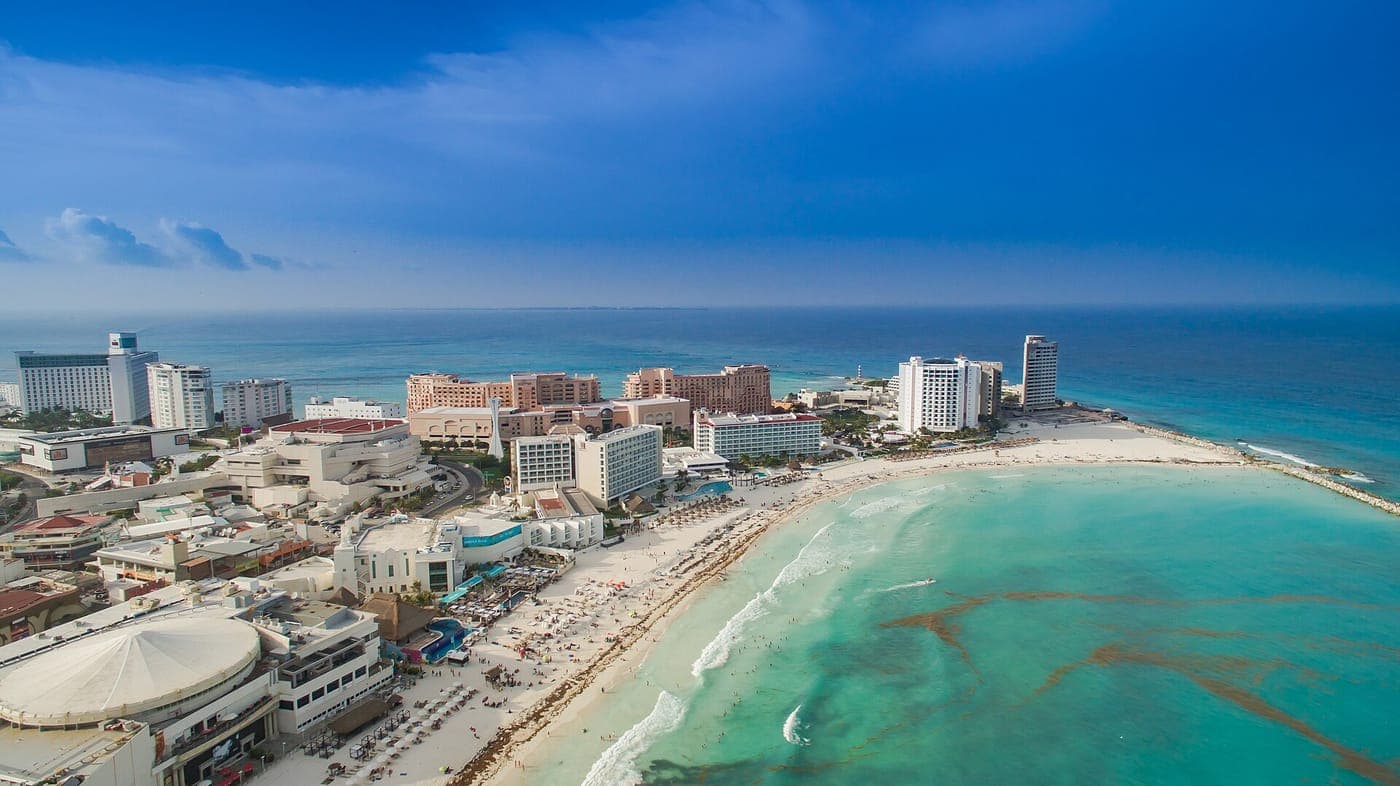
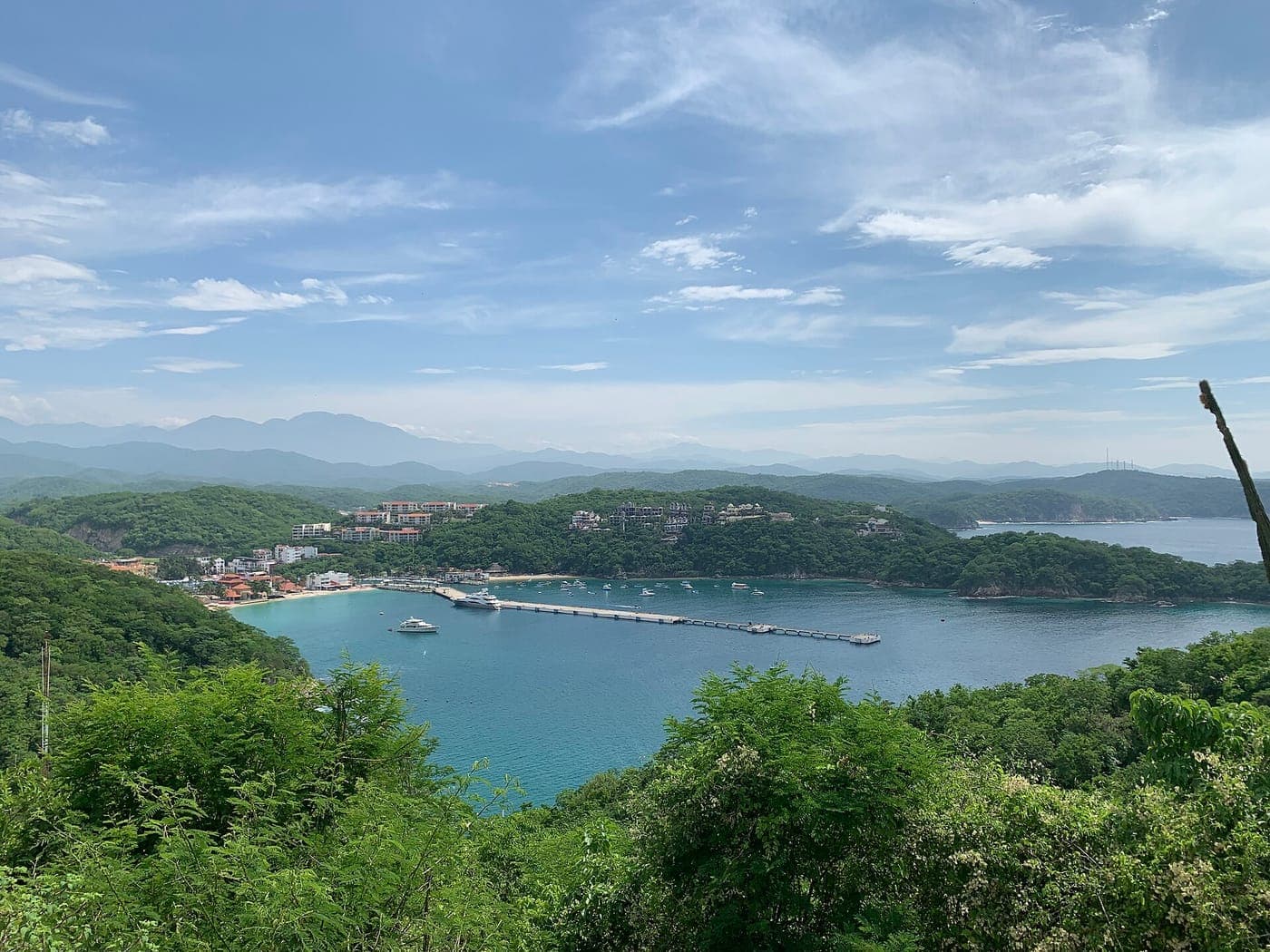
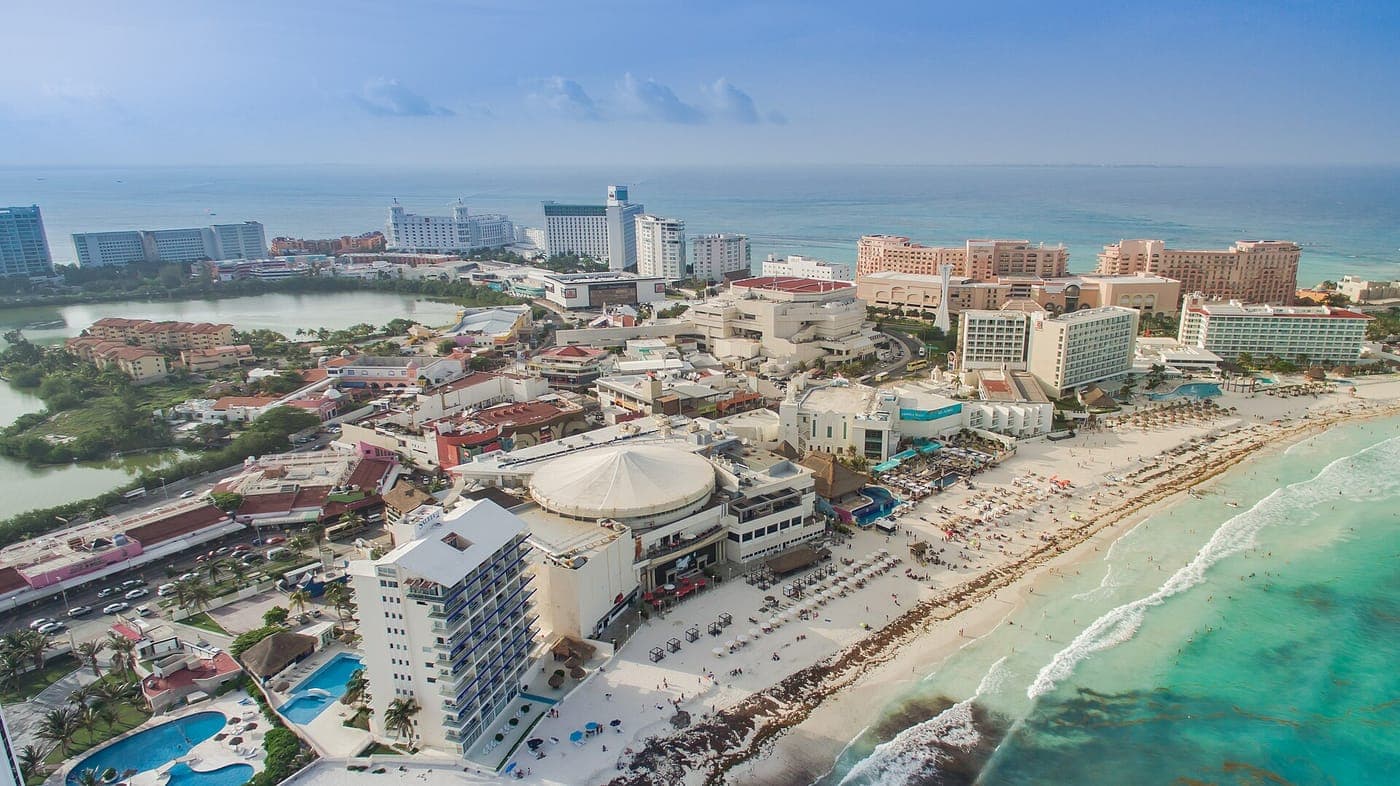
The draw is straightforward. You want a place to escape winter, and you want that place to pay for itself — or better — when you're not using it. Coastal towns in states like Quintana Roo, Nayarit and Baja California Sur have attracted buyers for years, and presale projects in resort communities offer the chance to lock in a price before construction finishes and values potentially rise.
Rental income from short-term vacation tenants can be substantial in high season. The property serves double duty: personal retreat and income generator. For buyers who plan to retire in Mexico eventually, a presale purchase years ahead can mean locking in today's price and building equity while the property appreciates and earns rent.
The exchange rate is part of the equation. According to the Bank of Canada's daily indicative rate, one Canadian dollar was worth 12.7113 Mexican pesos on October 8, 2026. That rate moves every business day, and it has ranged over the past year. The rate does not reflect what you will be offered at a bank counter or currency exchange, but it shows the direction of travel. When the Canadian dollar buys more pesos, your purchase price in Canadian terms falls; when it buys fewer, the opposite happens. Rental income you collect in pesos and convert back to Canadian dollars is similarly affected.
What Global Affairs Canada Says About Safety and Where to Invest
Travel advisories matter for investment decisions. According to Global Affairs Canada, the general advice for Mexico is to exercise a high degree of caution due to high levels of criminal activity and kidnapping. That is the baseline. On top of that, the government advises Canadians to avoid non-essential travel to a number of states because of violence and organized crime.
The list includes parts of Chiapas, Chihuahua, Colima, Guanajuato, Guerrero, Jalisco, Michoacán, Nayarit, Nuevo León, Sinaloa, Sonora, Tamaulipas and Zacatecas, with specific exceptions for certain cities and resort areas that can be accessed by air or sea. For example, the advisory excludes the cities of Ixtapa and Zihuatanejo in Guerrero if accessed by air, and specific tourist zones in Mazatlán in Sinaloa.
The advisories are updated as conditions change. Violent clashes between rival armed groups occur regularly in some states, and armed groups have stopped vehicles on highways. Even in areas with lower advisory levels, violent crime still occurs in major cities, popular tourist areas and resorts, and fighting between criminal gangs has taken place in hotels, nightclubs and restaurants.
For an investor, this guidance shapes where you buy and how you market a rental property. A condo in a resort area that Global Affairs Canada identifies as accessible and relatively safer will have a different risk profile — and a different pool of potential renters — than a property in a region under an avoid-non-essential-travel advisory. Rental demand, insurance costs and your own comfort visiting the property all hinge on the security situation.
Tax Reporting: Form T1135 and What the Canada Revenue Agency Requires
Owning investment property in Mexico triggers reporting obligations in Canada. According to the Canada Revenue Agency, if you hold specified foreign property with a total cost amount over one hundred thousand dollars at any time in the year, you must file Form T1135, the Foreign Income Verification Statement, by the due date of your income tax return.
The threshold is based on cost amount — generally the adjusted cost base, not the current market value. Specified foreign property includes real property outside Canada that is not used primarily as a personal residence. A vacation home you rent out, even part of the year, is specified foreign property if the cost amount exceeds the threshold. A presale contract for a condo is also specified foreign property once you have made payments that bring your cost amount over the threshold.
Form T1135 requires you to report the cost amount of the property, the income it generated during the year, and any gain or loss on disposition if you sold it. The form must be filed even if your income tax return is not required. Individuals can file it electronically using EFILE or NETFILE for the 2017 and later tax years.
Rental income from the property is taxable in Canada. You report it on your Canadian return and can generally claim expenses related to earning that income, but the rules on what qualifies and how foreign tax credits work are detailed. Mexico may also withhold tax on the rental income, and you need to understand how that withholding interacts with your Canadian tax liability.
Failure to file Form T1135 on time, or filing it with incorrect or incomplete information, can result in penalties. The Canada Revenue Agency has specific reassessment periods and penalty provisions, and the consequences are not minor. This is not a form you guess at or leave until the last minute.
What It Means for Buyers
If you are considering a vacation property in Mexico that you will rent out, or a presale condo in a resort development, the financial case depends on more than the purchase price and the rental income projections the developer or agent shows you. You need to factor in the exchange rate risk — both when you buy and when you convert rental income back to Canadian dollars. You need to understand the local rental market, the competition, the season, and how travel advisories affect demand.
You also need to budget for professional advice. A Canadian accountant who understands cross-border tax issues can walk you through Form T1135, explain what expenses you can deduct, and help you manage the withholding tax Mexico may apply. A lawyer in Mexico can review the purchase contract, explain the fideicomiso (the trust structure foreigners use to hold property in restricted zones), and make sure the title is clear. These are not optional steps.
The appeal of a place in the sun that pays for itself is real, but the execution requires homework. The properties Renanza lists in Mexico include vacation homes and presale projects in coastal communities, and the team can connect you with the professionals you need to make an informed decision.
What It Means for Investors
For investors who already own rental property in Canada and are looking to diversify, Mexico offers a different risk and return profile. The rental income can be strong in high season, and the potential for capital appreciation in a growing resort area is part of the thesis. But the currency risk cuts both ways, the regulatory environment is different, and the security situation varies by state and by year.
Form T1135 is not the only reporting obligation. If you hold the property through a Mexican corporation or trust structure, additional reporting may apply. If you eventually sell, the capital gain is taxable in Canada, and Mexico may also tax the gain. The interaction between the two tax systems is complex, and getting it wrong can mean paying tax twice or facing penalties in both countries.
The investment case for Mexico is not just about yield or appreciation in isolation. It is about whether you can manage the property from a distance, whether you trust the local property management company, whether the rental income justifies the reporting burden, and whether the security and travel situation aligns with your risk tolerance and the expectations of your tenants.
Outlook
Mexico remains a popular destination for Canadians, and the combination of lifestyle and income continues to draw buyers. The exchange rate will keep moving, and travel advisories will be updated as conditions on the ground change. What will not change is the need to report foreign property accurately and on time, and the need to understand both the opportunity and the obligations before you sign.
Renanza works with clients who are considering investment property in Mexico, from vacation rentals to presale projects in resort communities. The Mexico market overview and the current listings are a starting point, and the team can connect you with the tax and legal professionals who can walk you through the details. If you are exploring the idea, a conversation now — before you commit — is the right time to ask the questions that matter.
Sources
Bank of Canada — Canadian dollar to Mexican peso daily exchange rate, daily observations through October 2026 Global Affairs Canada — Travel advice and advisories: Mexico, updated October 2026 Canada Revenue Agency — Questions and answers about Form T1135 (foreign property), revised guidance
Data last checked: 2026-10-08