Key Takeaways
- Canadians retire to Mexico for warm winters, lower daily costs in pesos, and established expat communities along both coasts.
- A typical day might include a morning walk on the beach, lunch at a local market, and evening gatherings with neighbours from home.
- Before you move, sort out pension deposits, health insurance, tax residency and banking — Global Affairs Canada publishes detailed guides on each.
- The peso has strengthened: one Canadian dollar bought 12.7065 pesos as of October 2026, affecting your purchasing power for groceries, utilities and services.
- Safety varies widely by region; consult travel advisories and stay informed about conditions in the specific area you're considering.
Why Canadians Choose Mexico
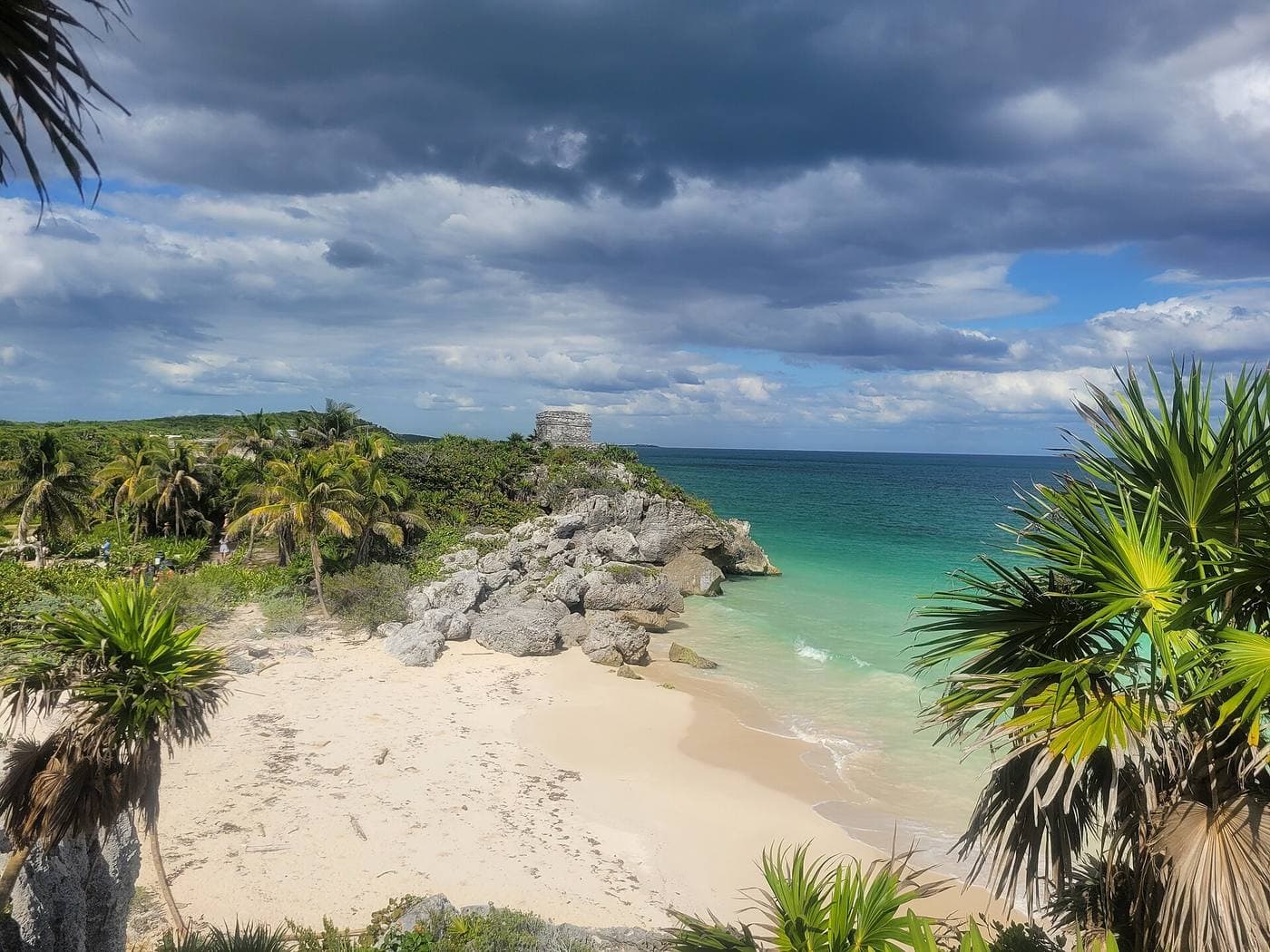
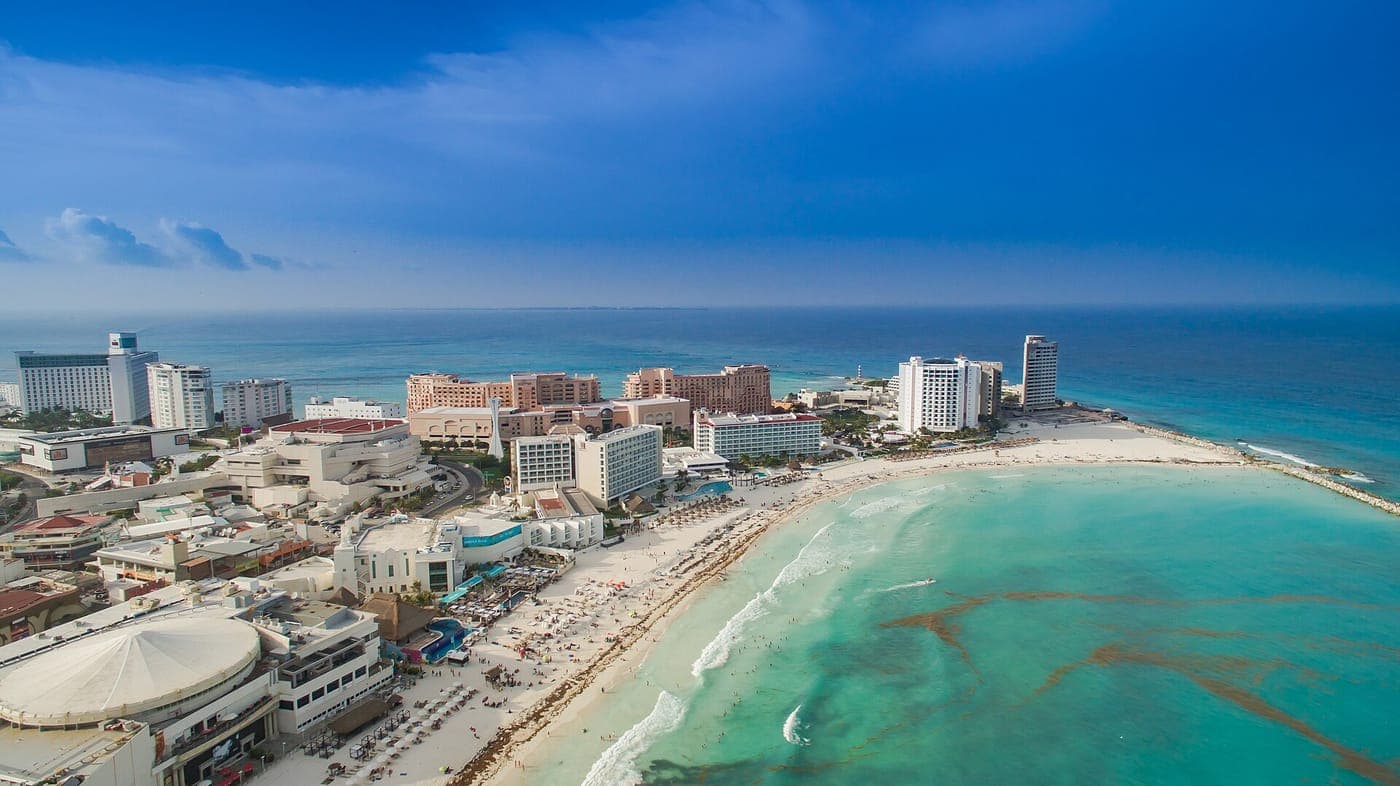
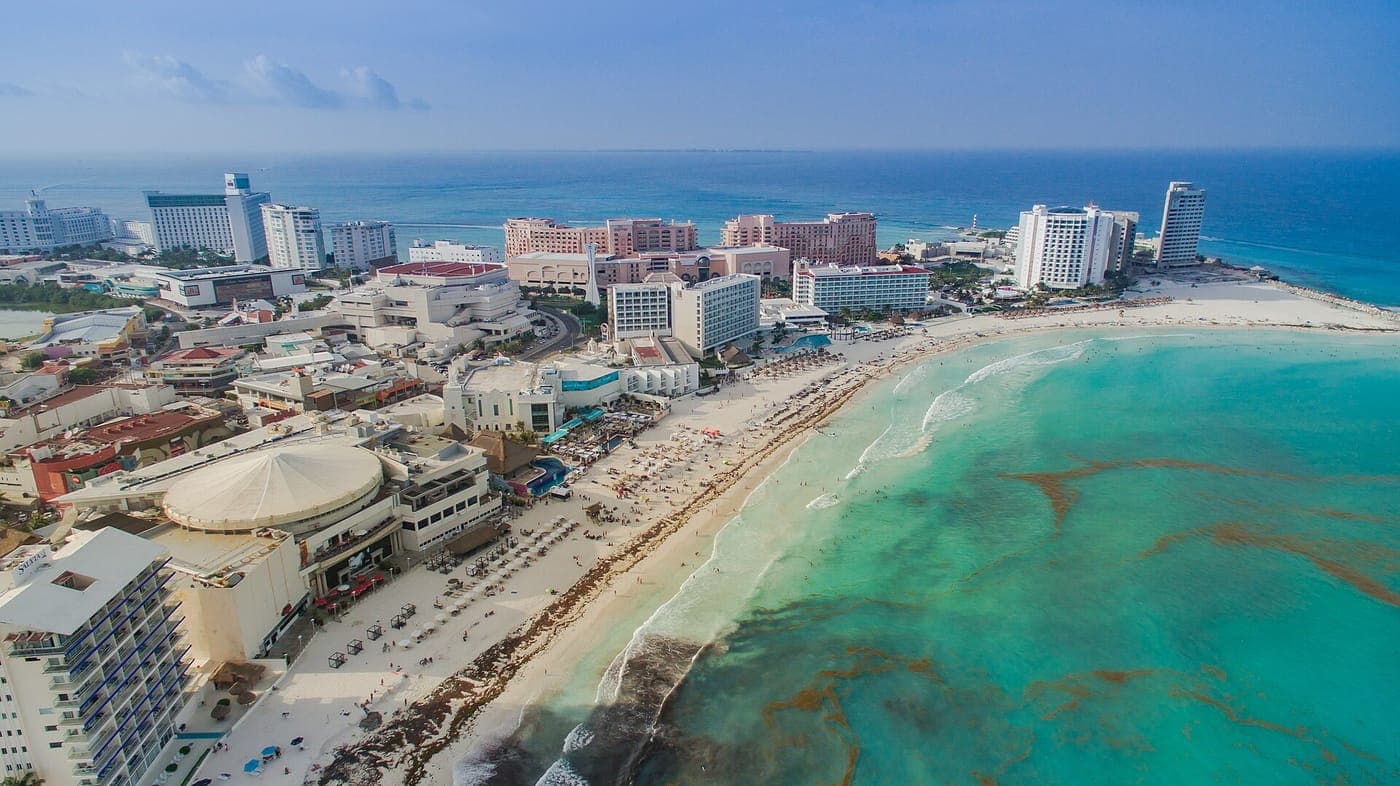
The appeal starts with climate. January in Puerto Vallarta or Playa del Carmen means twenty-eight degrees and sunshine, not windchill and ice. For someone who spent forty winters shoveling a driveway in Winnipeg or scraping frost off a windshield in Halifax, that alone is enough.
But it's more than weather. Daily costs run lower when you're spending in pesos. A kilo of tomatoes at the mercado, a haircut, a taxi across town — these things cost less than their Canadian equivalents, and your pension or savings stretch further. The exchange rate matters: as of October 2026, one Canadian dollar was worth 12.7065 Mexican pesos, according to the Bank of Canada's indicative rate. That figure shifts daily, and it's not what you'll see at a bank counter or casa de cambio, but it gives you a sense of direction.
Then there are the people. Canadians have been retiring to Mexico for decades, and in towns like Ajijic, San Miguel de Allende and the coastal resorts, you'll find established communities. Book clubs in English, hockey nights streamed at the local pub, neighbours who know what you mean when you mention the Leafs or the Canucks. You're not isolated; you're joining a pattern that's been in place for years.
What a Good Day Looks Like
Mornings often start early, before the heat sets in. A walk along the malecón, coffee at a café where the owner knows your name, maybe a swim if you're near the water. The pace is slower. Errands that felt rushed in Canada — picking up groceries, stopping at the farmacia — become part of the day's rhythm rather than tasks to check off.
Lunch is the main meal, often at home or at a comedor where a three-course menu costs a fraction of what you'd pay in Toronto or Vancouver. Afternoons are quiet; many people rest, read, or work on a hobby they'd put off for years. By evening the temperature drops, and the town comes alive again. Dinner with friends, a concert in the plaza, or simply sitting on your terrace watching the light change over the hills.
It's not without adjustment. You'll navigate a new language, different systems for everything from paying utilities to registering a car, and the reality that things don't always work the way they did at home. But for many retirees, that trade-off is worth it.
What to Sort Out Before You Move
Global Affairs Canada publishes a detailed guide called Living Abroad: A Guide for Canadians, and it's worth reading cover to cover before you pack. Here are the main areas it covers.
Pensions and banking: Make sure your Canada Pension Plan, Old Age Security and any other pension deposits can reach you. Some retirees keep a Canadian bank account and transfer money as needed; others open a Mexican account. Either way, test the system before you rely on it. Set up online access and confirm that your bank will send statements and allow transactions from a Mexican IP address.
Health care and insurance: Provincial health plans offer limited or no coverage outside Canada. You'll need private travel or expatriate health insurance, and you should understand exactly what it covers — emergency care, yes, but routine visits, prescriptions, pre-existing conditions? Read the policy. Mexico has good private hospitals in larger cities, but care in remote areas is more limited. Global Affairs Canada advises confirming that your insurance will pay providers directly or reimburse you promptly.
Tax residency: Spending more than half the year outside Canada can affect your tax status, and the rules are complex. The Canada Revenue Agency and Mexican tax authorities each have their own definitions of residency, and you may owe tax in one country, both, or neither, depending on your income sources and how long you stay. This is not something to guess at; hire an accountant who understands cross-border tax before you move.
Visas and residency permits: Tourist visas allow stays of up to 180 days. If you plan to live in Mexico longer, you'll need temporary or permanent residency, which requires proof of income or savings and an application through a Mexican consulate in Canada. The process takes time, so start early. Global Affairs Canada recommends contacting the Mexican embassy or consulate in Canada well before your planned move.
Safety and staying informed: Crime levels are high in parts of Mexico, and the situation varies sharply by region. Global Affairs Canada's travel advisories list areas where Canadians should avoid non-essential travel, including parts of several states due to organized crime and violence. Major tourist destinations and expat hubs generally see lower levels of gang-related violence, but incidents can occur anywhere. Register with the Registration of Canadians Abroad service so the government can reach you in an emergency, and monitor local news.
Legal and financial powers of attorney: If you still own property in Canada or have financial affairs there, arrange a power of attorney so someone you trust can act on your behalf. You may also want a joint bank account with a family member for emergencies.
Making the Decision
Retiring abroad is not a small step. It means leaving family, friends, your doctor, the grocery store where you know every aisle. It means learning to live in a place where the systems, the language and the assumptions are different.
But for those who make the move, the rewards are real. Warmer weather, a slower pace, a chance to stretch your savings and try a life you might have only imagined during a February cold snap back home. The key is to go in with your eyes open: research the region, understand the costs and the risks, get your paperwork in order, and talk to people who've already done it.
If you're considering a move to Mexico — whether for part of the year or permanently — Renanza can help you understand the market and explore your options. Visit our Mexico market overview or browse current listings to see what's available.
Sources
Bank of Canada — Canadian dollar to Mexican peso daily exchange rate, October 2026 Global Affairs Canada — Travel advice and advisories: Mexico, October 2026 Global Affairs Canada — Living abroad: a guide for Canadians, September 2026
Data last checked: 2026-10-05