Key Takeaways
- Canadians are drawn to Mexico for year-round warmth, a slower pace, vibrant communities and the ability to stay in North American time zones a short flight from home.
- The Canadian dollar buys more in pesos than it does at home, stretching budgets for rent, groceries and dining out.
- Global Affairs Canada advises checking regional safety guidance, securing private health insurance and understanding what living abroad means for tax residency before you go.
- Major tourist destinations see lower gang-related violence, though crime remains a consideration across the country.
- Whether you spend winters on the coast or relocate permanently, getting the practical details right — residency permits, coverage and tax obligations — makes the difference.
Why Canadians Head South
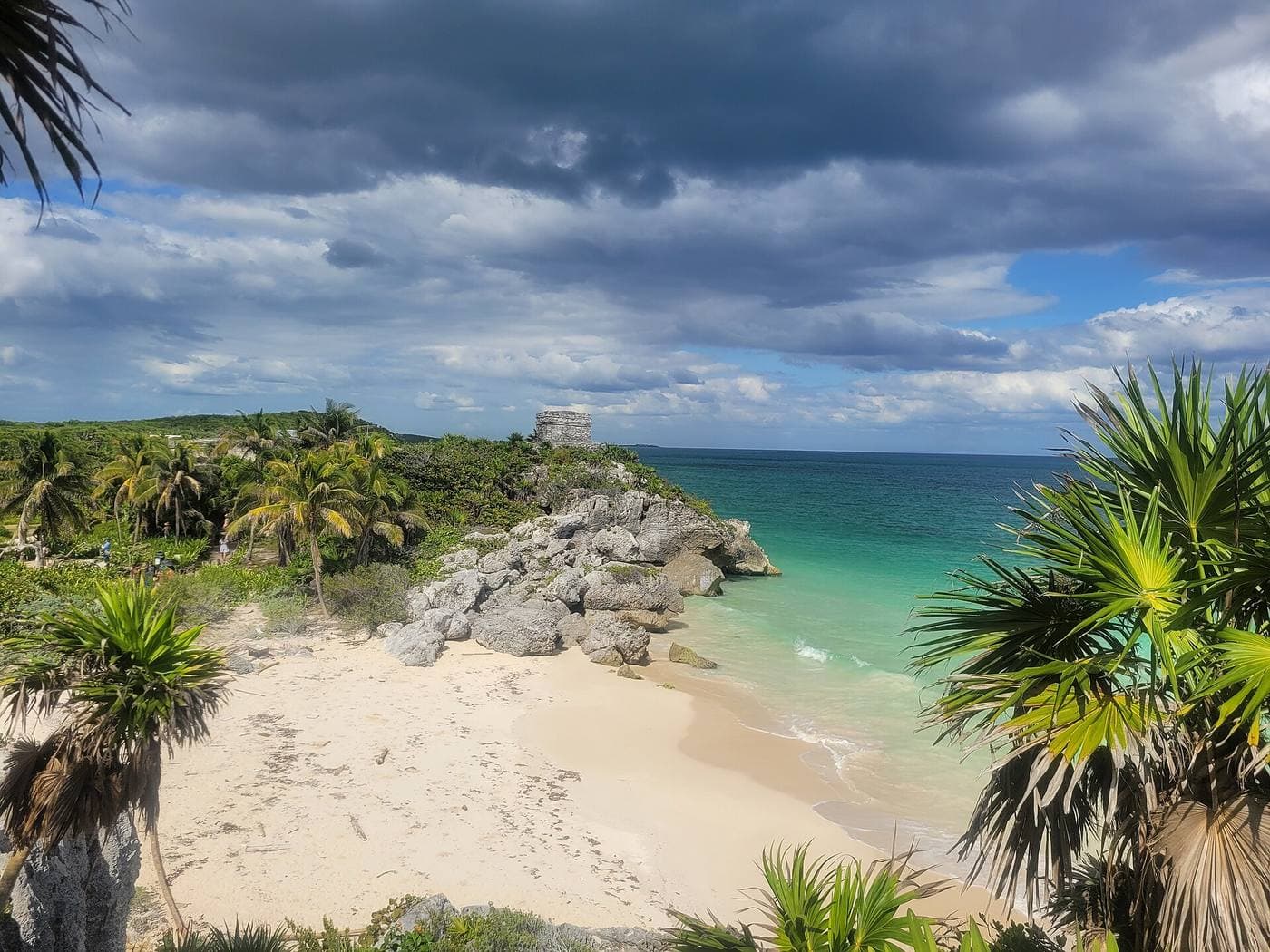
The appeal starts with the weather. January in Puerto Vallarta means mornings on a terrace in a T-shirt, not scraping ice off a windshield. For Canadians tired of six months of grey skies and heating bills, that alone is enough. But the draw goes deeper. Mexico offers a rhythm of life that feels unhurried — long lunches, evening walks through plazas, neighbours who know your name. Markets overflow with mangoes, avocados and chiles at prices that make Canadian grocery receipts look like a mistake. A meal at a local taquería costs what a coffee does back home.
Time zones matter, too. Video calls with family happen at reasonable hours. Flights from Vancouver, Calgary or Toronto land in four to six hours, close enough for visits without the jet lag that comes with Europe or Asia. Communities of Canadians and other expats have taken root in places like San Miguel de Allende, Playa del Carmen and the shores of Lake Chapala, creating networks of familiarity in a new country. Spanish classes, book clubs, volunteer groups — the infrastructure for building a social life is already there.
The Canadian dollar stretches further in pesos. As of November 19, 2026, one Canadian dollar bought 13.2784 Mexican pesos, according to the Bank of Canada's indicative rate. That figure shifts daily and the rate you see at a bank counter or currency exchange will differ, but the principle holds: rent, utilities, fresh food and household help cost less than they do in Toronto or Vancouver. For retirees on fixed incomes or remote workers earning Canadian salaries, that gap matters.
What a Day in Mexico Looks Like
Mornings often start early, before the heat sets in. A walk to the corner panadería for fresh bolillos, then coffee on a balcony overlooking terracotta roofs or the ocean. Errands happen on foot or by bus — many neighbourhoods are walkable in ways Canadian suburbs are not. Midday brings the main meal, often the largest of the day, followed by a siesta or a slow afternoon indoors. Evenings cool down and the streets fill again: families out for ice cream, vendors selling elote, the hum of conversation from open doorways.
For those who keep working, the time zone alignment means meetings fit into a normal schedule. Internet service in cities and popular expat towns is reliable enough for video calls and file uploads. The cost of living leaves room for things that felt like luxuries in Canada — a housekeeper twice a week, dinners out more than once a month, a larger apartment with a view.
Weekends might mean a drive to colonial towns in the highlands, a day at the beach, or simply more of the same unhurried rhythm. The pace is part of the point. Canadians who make the move, whether for a season or permanently, often say they feel less rushed, more present. Life becomes less about checking boxes and more about being where you are.
What to Know Before You Make the Move
The lifestyle is real, but so are the practicalities. Global Affairs Canada maintains detailed travel advice for Mexico, updated as conditions change. The country-wide guidance is to exercise a high degree of caution due to high levels of criminal activity and kidnapping. Certain states carry stronger warnings — avoid non-essential travel to parts of Chiapas, Chihuahua, Colima, Guanajuato, Guerrero, Jalisco, Michoacán, Nayarit, Nuevo León, Sinaloa, Sonora, Tamaulipas and Zacatecas, with exceptions for specific cities and routes, often only if accessed by air or sea.
Major tourist destinations benefit from efforts by Mexican authorities to reduce gang-related violence, resulting in lower levels of crime in those areas, according to Global Affairs Canada. However, violent crime still occurs in cities, resorts and popular areas, and confrontations between criminal groups and security forces continue. The advice is clear: remain vigilant, avoid demonstrations (participating as a foreigner can lead to detention and deportation), and monitor local media.
Health coverage does not follow you across the border. Canadian provincial and territorial health plans provide limited or no coverage outside the country. Private travel or expatriate health insurance is essential, and you should confirm what it covers — emergency care, prescriptions, evacuation — before you leave. Global Affairs Canada's guide for living abroad stresses the importance of understanding your insurance needs and securing coverage that matches your plans.
Tax residency is another threshold. The Canada Revenue Agency considers you an emigrant if you leave Canada to live elsewhere and sever your residential ties — disposing of your home, moving your spouse or dependants, breaking social and property ties. If you keep significant ties, you may remain a factual resident of Canada for tax purposes, obligated to report world income. If you are considered a resident of both Canada and Mexico, a tax treaty may deem you a non-resident of Canada, but the rules are specific and the consequences real. The CRA's guidance is detailed; it is not something to guess at. You should consult a tax professional who understands cross-border obligations before you go.
Residency permits, visas, the right to work or own property — each has its own requirements. Contact the Mexican embassy or consulate in Canada well before your move to understand what documents you need and how long the process takes. If you are retiring, working remotely or planning to stay long-term, the rules differ. Getting it right at the start avoids complications later.
Homes and What They Look Like
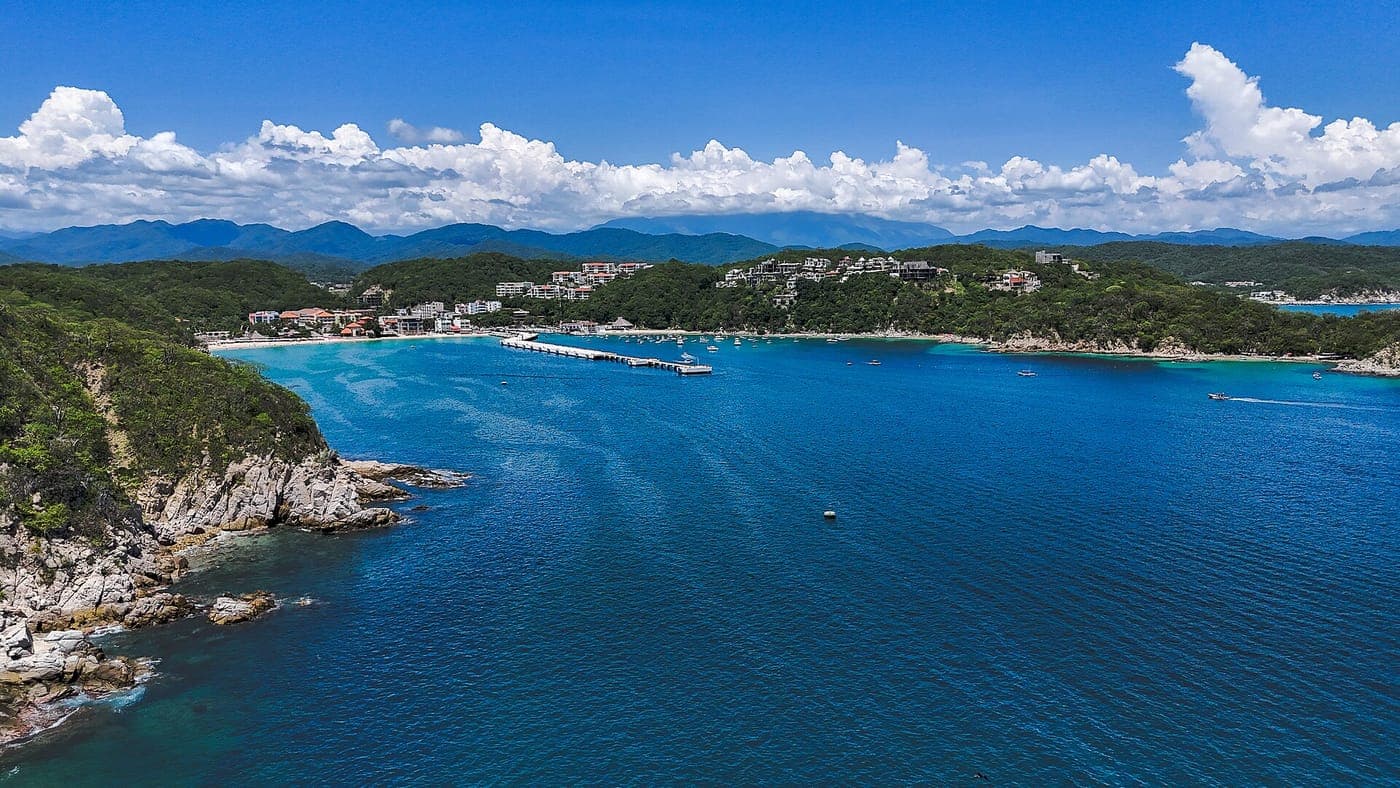
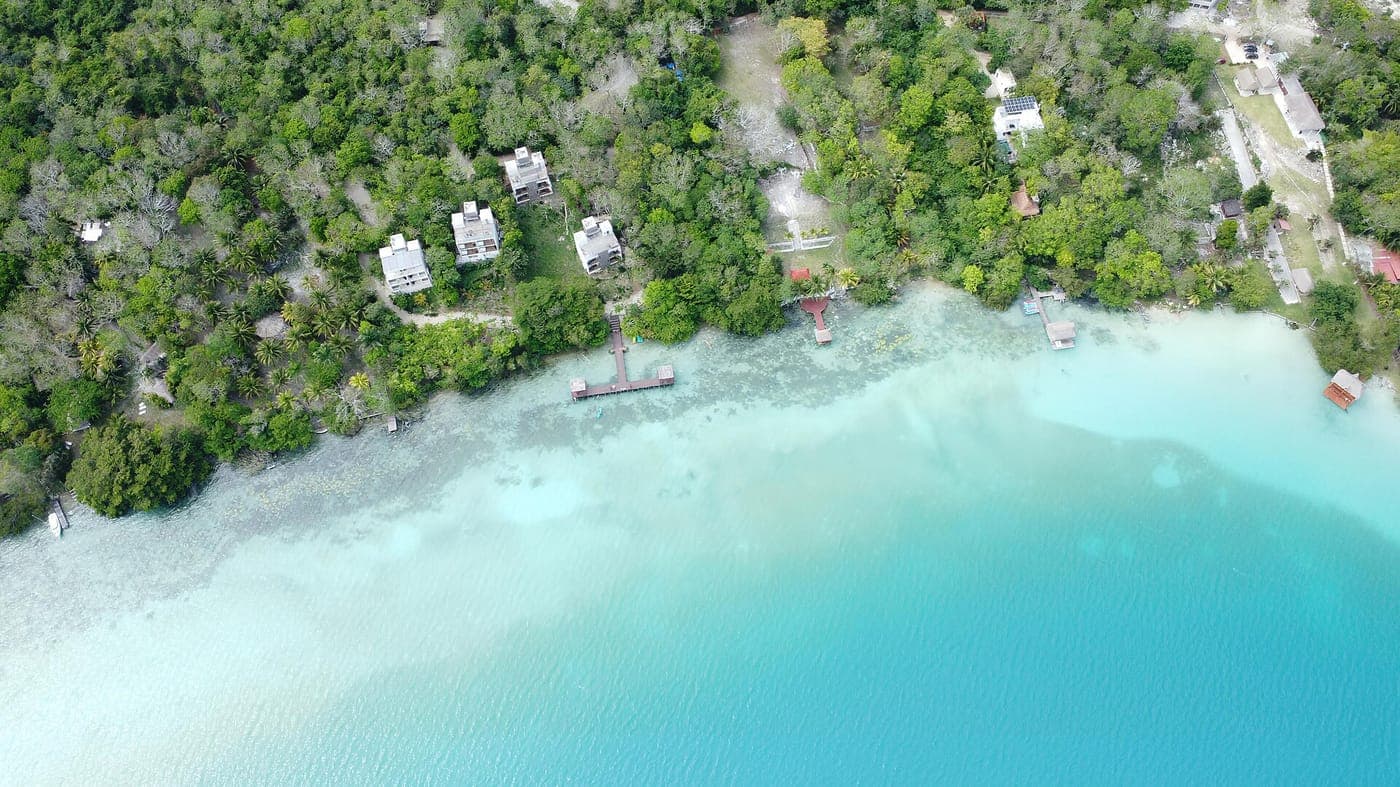
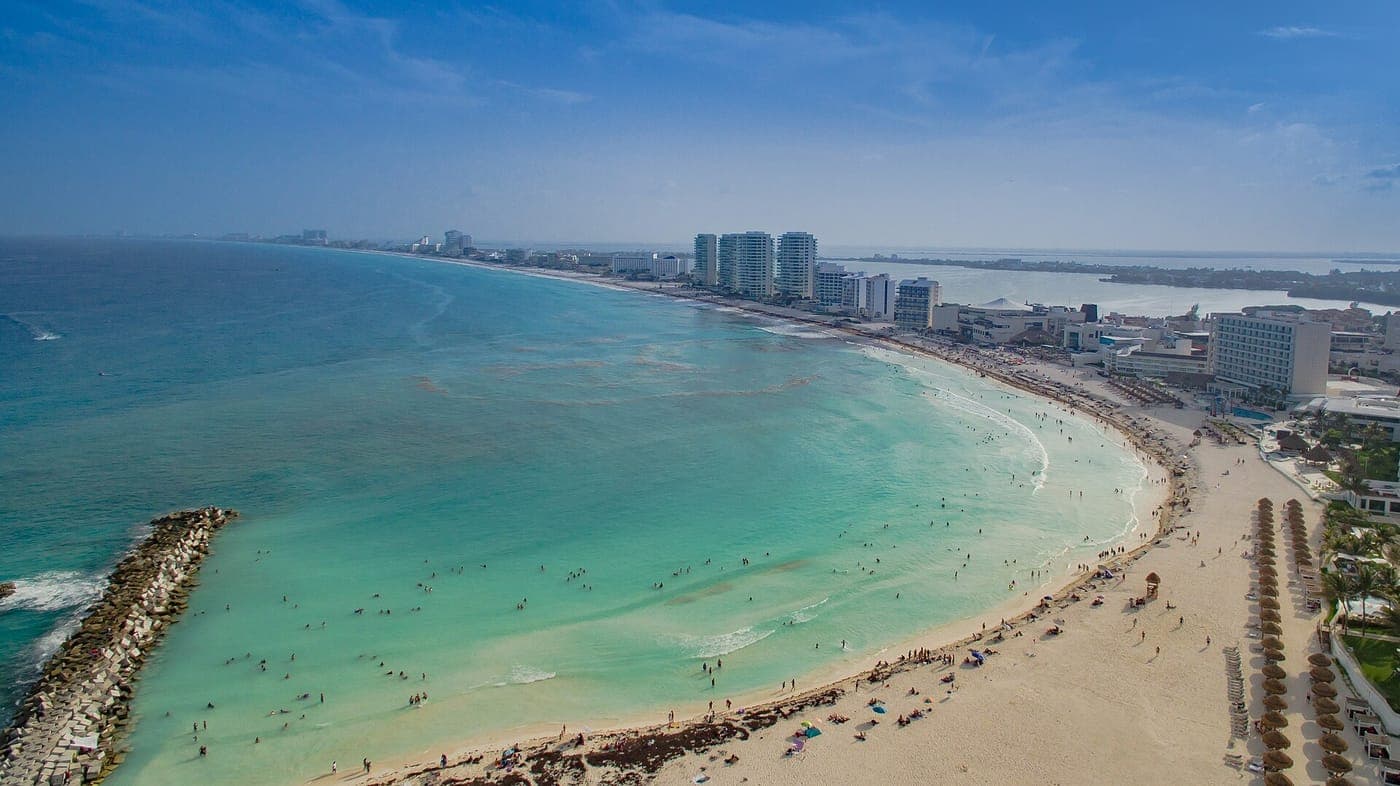
Renanza works with developers and brokers offering properties across Mexico, from beachfront condos to homes in mountain towns. Whether you are looking for a winter retreat or a permanent base, the range is wide: modern high-rises with resort amenities, colonial-style houses with courtyards, smaller units within walking distance of markets and plazas. Prices vary by location and finish, but the common thread is space and light that would cost far more in a Canadian city.
Browse Renanza's Mexico listings to see what is available, or reach out for guidance on which regions and projects suit your plans. If you are weighing a move and want to understand what your Canadian property is worth before you list it, request a free home evaluation to start the conversation.
Sources
Bank of Canada — Canadian dollar to Mexican peso daily exchange rate, November 2026 Global Affairs Canada — Travel advice and advisories: Mexico, October 2026 Global Affairs Canada — Living abroad: a guide for Canadians, September 2026 Canada Revenue Agency — Leaving Canada (emigrants): residency status and tax, 2026
Data last checked: 2026-11-19