Key Takeaways
- Snowbirds choose Mexico for warm weather, walkable coastal towns, and a short flight home — typically staying October through April to keep Canadian residency and provincial health coverage.
- Most rent or buy condos in places like Puerto Vallarta, Mazatlán and Playa del Carmen, where groceries, cafés and the beach are within walking distance.
- Global Affairs Canada advises exercising a high degree of caution, checking regional advisories, and staying in main tourist zones where security is stronger.
- Keeping provincial health coverage usually means staying outside Canada fewer than 183 days a year; travel insurance fills the gap while you're away.
- The Canada Revenue Agency considers you a Canadian resident for tax purposes as long as you maintain residential ties — your home, family and bank accounts here.
Why the Coast
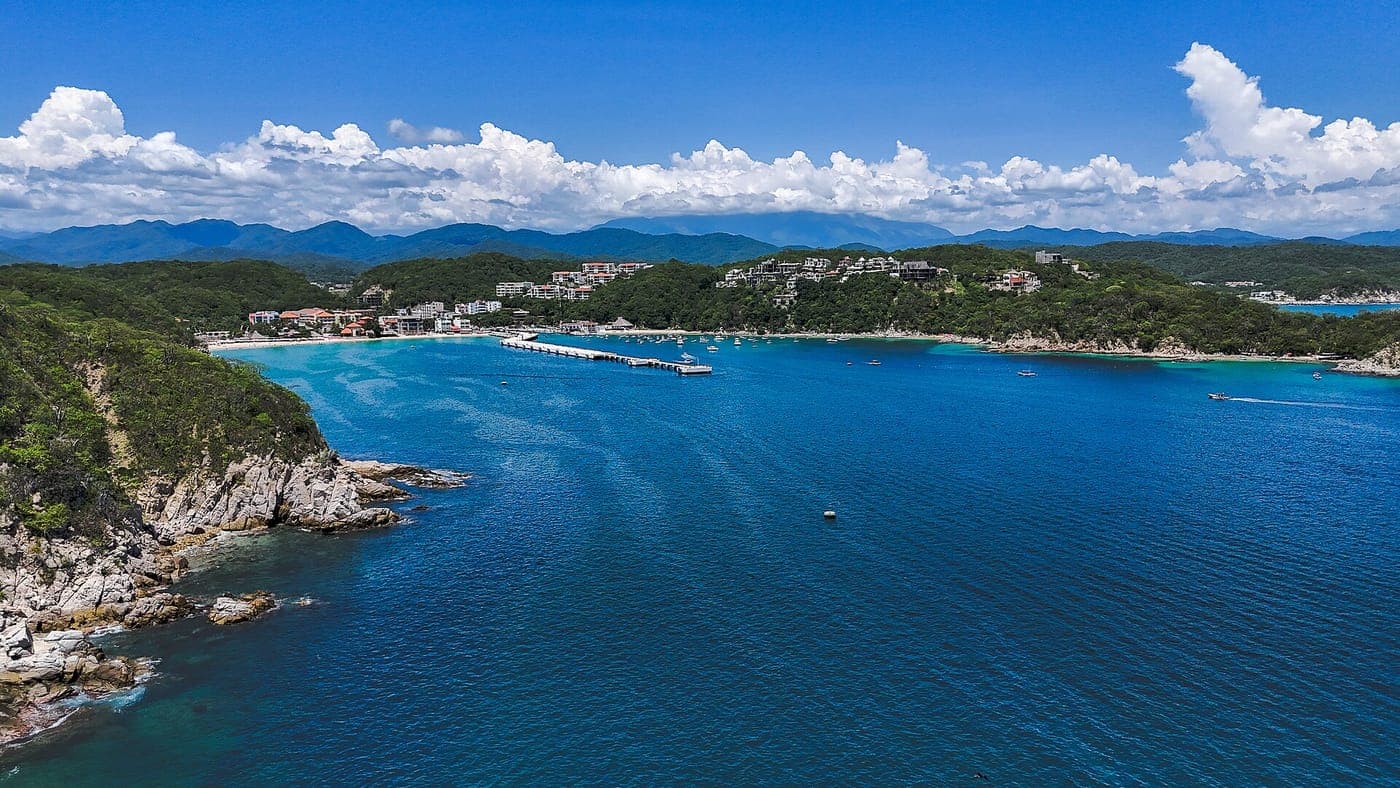
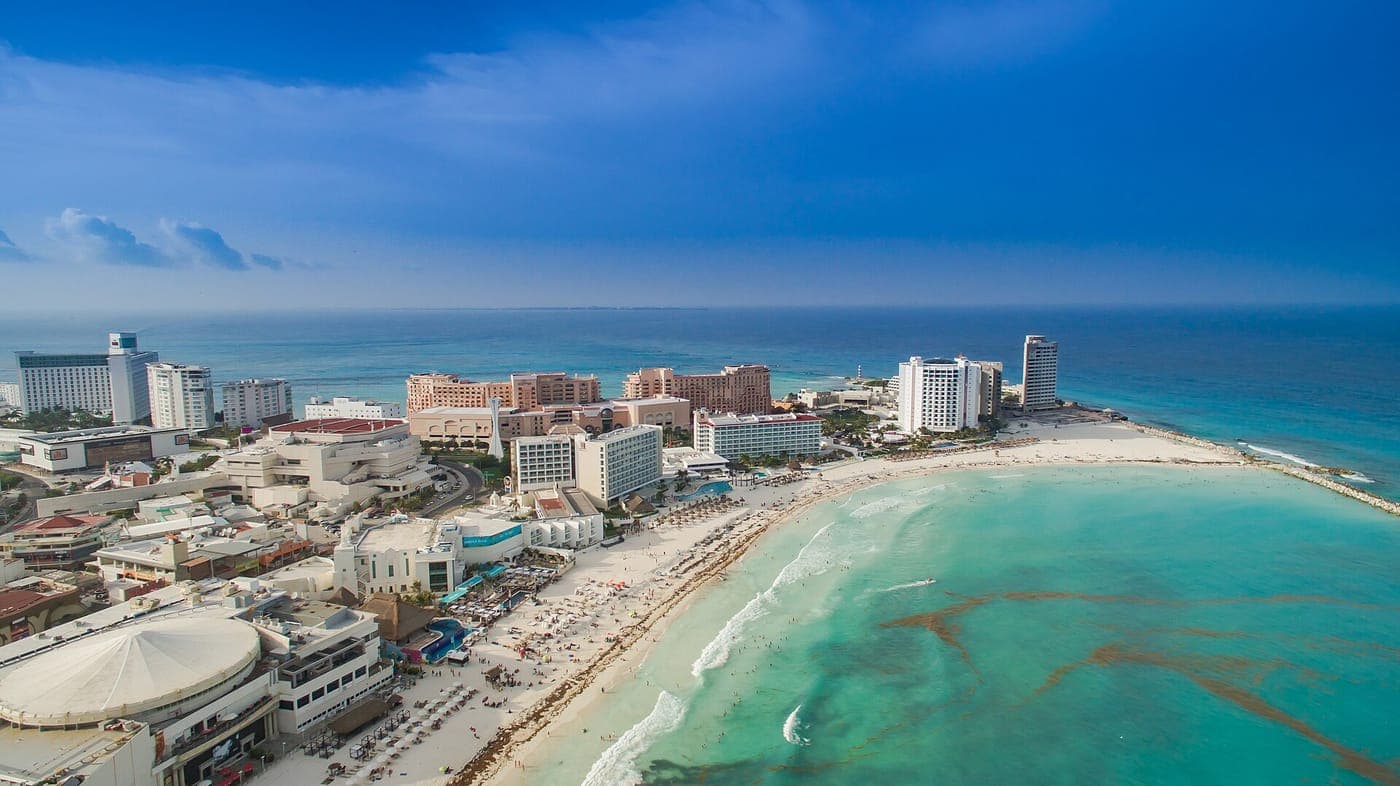
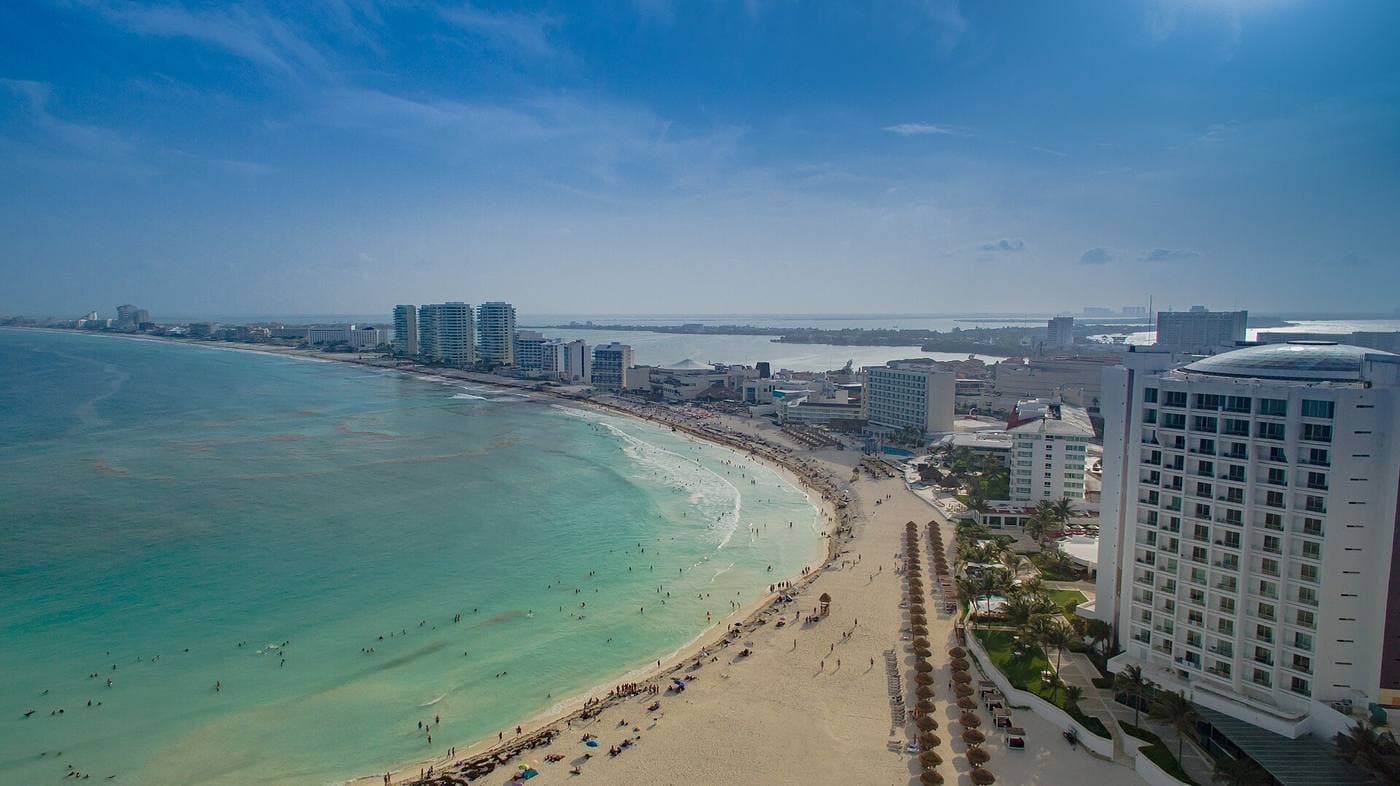
The rhythm of a snowbird winter starts with a question: where do you want to wake up? For many Canadians, the answer is a balcony with an ocean view, a short walk to a market, and warmth that lasts all day. Mexico's Pacific and Caribbean coasts offer that, along with direct flights from Vancouver, Calgary and Toronto that take four to six hours.
Snowbirds typically arrive in late October or early November and stay through March or early April. The timing is deliberate: most provinces require you to be physically present for a minimum number of days each year to keep your health coverage, and staying outside Canada fewer than 183 days in a calendar year helps preserve your status as a Canadian resident for tax purposes. The Canada Revenue Agency considers you a resident as long as you maintain residential ties — your home, your spouse or dependants, and your bank accounts in Canada.
The draw is partly climate and partly community. Many snowbirds return to the same town, the same building, even the same unit year after year. They know the woman who sells fruit at the corner stand, the name of the server at the café two blocks inland, and which evening the expat book club meets.
What Daily Life Looks Like
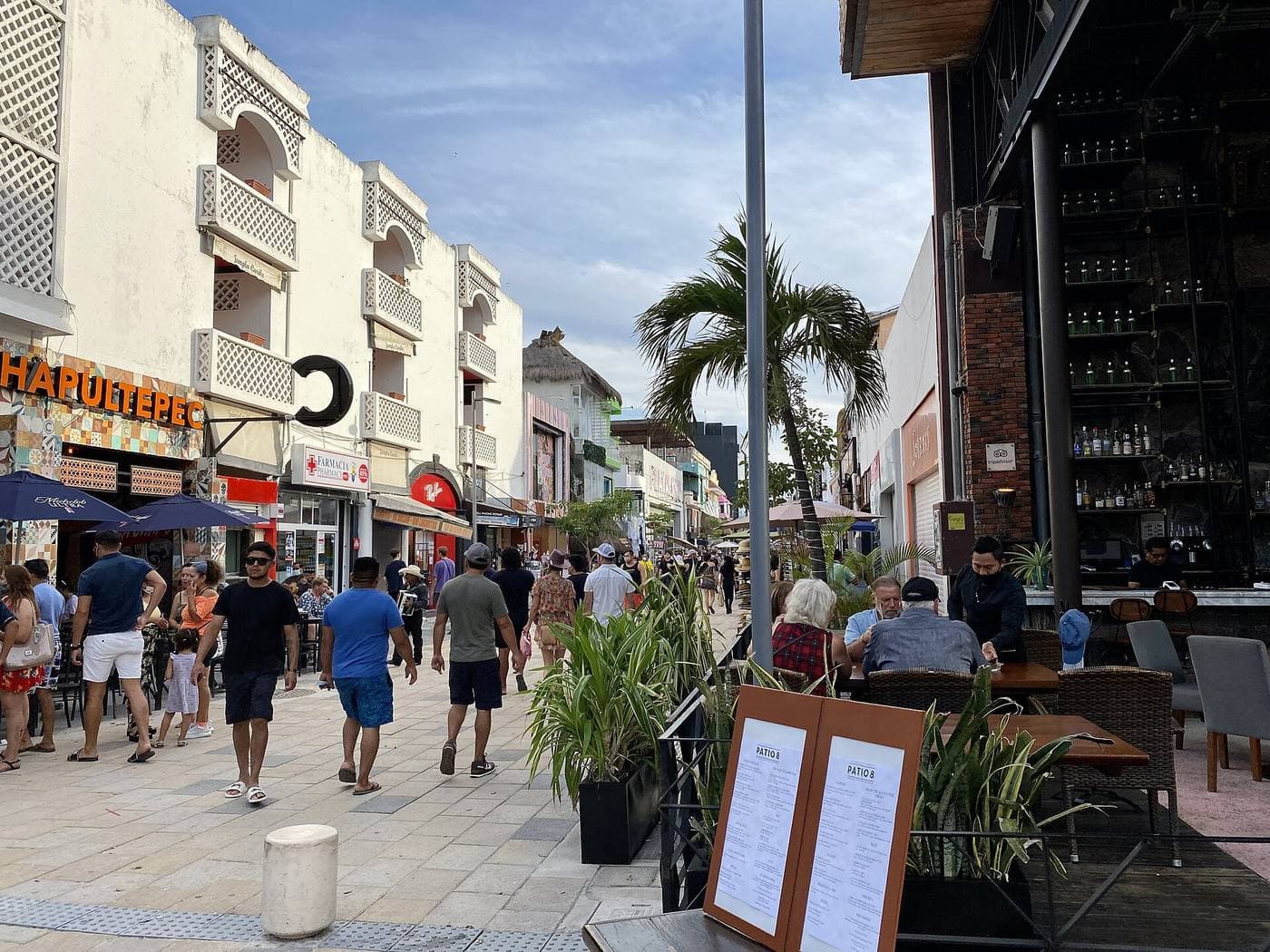
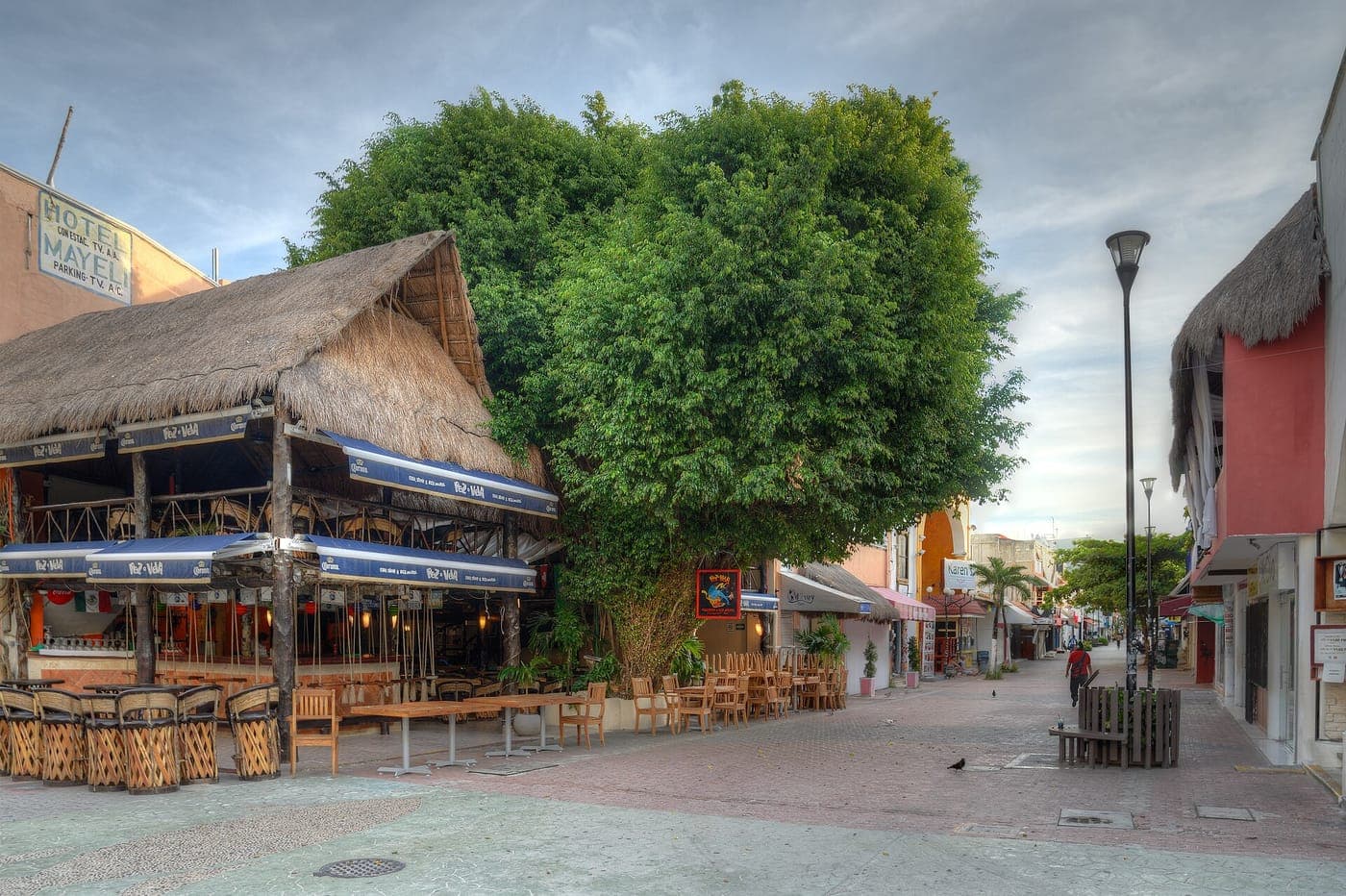
Most snowbirds rent or buy condos in walkable towns where the infrastructure is built for people on foot. Puerto Vallarta's Zona Romántica, the Golden Zone in Mazatlán, and the older stretches of Playa del Carmen all have the same shape: a grid of streets a few blocks from the water, lined with small grocers, pharmacies, hardware stores and restaurants. You can live without a car.
A typical day might start with coffee on the balcony, a walk to the market for tomatoes and limes, and an hour on the beach before the midday heat. Afternoons are quiet — reading, errands, a swim in the building's pool. Evenings bring cooler air, street tacos, and often a gathering of neighbours who've known each other for a decade of winters.
Some snowbirds buy. Condos in these towns range widely in age, finish and price, but the common thread is location: close to services, close to other Canadians, and in a building with an active owners' association that handles maintenance and security. Others rent for the season, which offers flexibility and no property tax or upkeep. Both groups tend to choose the same neighbourhoods, drawn by the same things — walkability, safety, and a social fabric that makes it easy to settle in quickly each fall.
Global Affairs Canada advises Canadians to exercise a high degree of caution throughout Mexico due to high levels of criminal activity and kidnapping, and to avoid non-essential travel to certain states. The main coastal destinations where snowbirds gather — Puerto Vallarta, the tourist zones of Mazatlán, Playa del Carmen, and the Riviera Maya — fall outside those higher-risk areas, though travellers are advised to stay within the main tourist zones and avoid travel after dark on highways. The organization updates its travel advisories as conditions change, and checking them before you leave and while you're there is part of the routine.
What to Sort Out Before You Go
Keeping your provincial health coverage is usually the first planning step. Most provinces require you to be physically present for a minimum number of days each year — often 183 — and to maintain your primary residence in Canada. The rules vary by province, so checking with your provincial health ministry before you book your flight is worth the time.
Provincial plans typically do not cover you outside Canada, or cover only emergency care at rates far below what you'll be billed. Travel insurance designed for snowbirds fills that gap. Policies are sold by the season, and most insurers ask about pre-existing conditions and set age-based premiums. Reading the exclusions carefully — especially around pre-existing conditions and the need to remain stable on medications for a set period before departure — avoids surprises later.
If you still have bank accounts in Canada or receive payments from Canadian sources, the Canada Revenue Agency asks that you notify your financial institutions and any payers that you are spending part of the year outside the country, even though you remain a Canadian resident. This is not about changing your tax status; it is about keeping your records accurate.
Global Affairs Canada recommends registering with the Registration of Canadians Abroad service before you leave, so the government can reach you in an emergency — a hurricane, a family crisis at home, or a sudden change in local conditions. It is a free service and takes a few minutes online.
Finally, understanding what you can and cannot do while you are there matters. It is illegal for foreigners to conduct political activity in Mexico, including participating in demonstrations. Even peaceful gatherings can turn violent, and involvement can lead to detention, deportation and denial of future entry. Staying clear of protests and large public gatherings is part of the advice Global Affairs Canada gives to all travellers.
The Pull of Routine
What keeps snowbirds coming back is not novelty — it is the opposite. It is knowing where to buy good bread, which beach is quiet in the morning, and who will be at the potluck on Friday. It is a second home in the sense that matters most: a place where you know how things work and where you are known.
The season has a shape. You arrive when the first cold snap hits Calgary or Toronto, you settle into a rhythm of sun and small errands, and you leave in early spring when the heat begins to build and the pull of home — garden, grandchildren, your own bed — grows stronger. The same people make the same journey every year, and the friendships that form are rooted in that shared pattern.
For Canadians thinking about their first snowbird winter, the practical steps are straightforward: check your provincial health rules, buy travel insurance, register with Global Affairs Canada, and choose a town where other Canadians have already built a community. The rest — the daily walk to the market, the evening breeze off the water, the quiet pleasure of warm January mornings — follows naturally once you arrive.
If you are considering a property in Mexico, whether as a snowbird home or an investment, Renanza works with clients across borders and can walk you through what the process looks like. You can explore current listings in Mexico or reach out for a conversation about what fits your plans.
Sources
Global Affairs Canada, Travel advice and advisories: Mexico, updated October 2026 Canada Revenue Agency, Leaving Canada (emigrants): residency status and tax, current guidance
Data last checked: 2026-10-16