Key Takeaways
- Canadians choose Mexico for warm weather, walkable coastal towns, and a slower pace from November through April.
- Most snowbirds rent or buy condos in places like Puerto Vallarta, Mazatlán and Playa del Carmen, staying close to services and other expats.
- To keep provincial health coverage, most provinces require you to be physically present in Canada for at least half the year.
- Global Affairs Canada advises exercising a high degree of caution throughout Mexico due to crime, and avoiding non-essential travel to certain states.
- You remain a Canadian tax resident if you keep your home and family ties here, even while spending winters abroad.
Why Canadians Head South for Winter
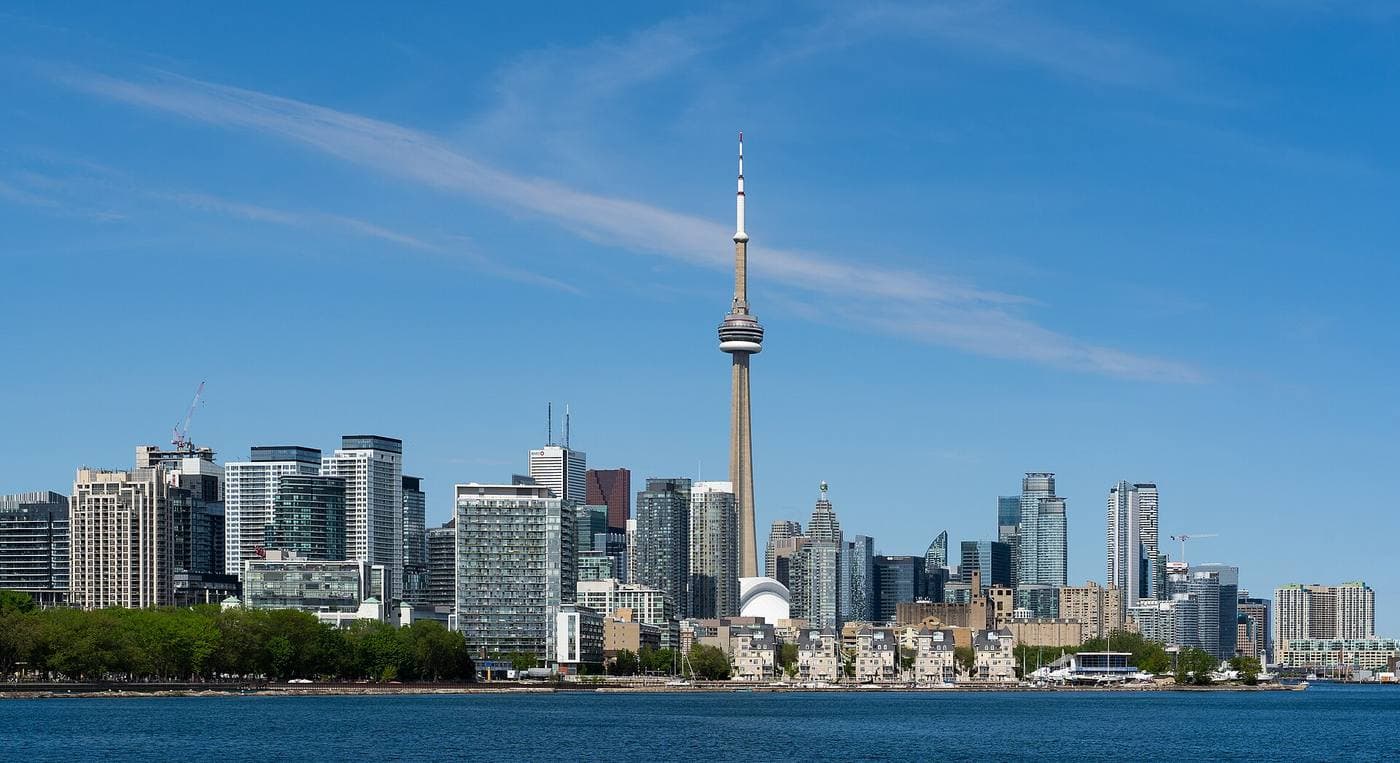
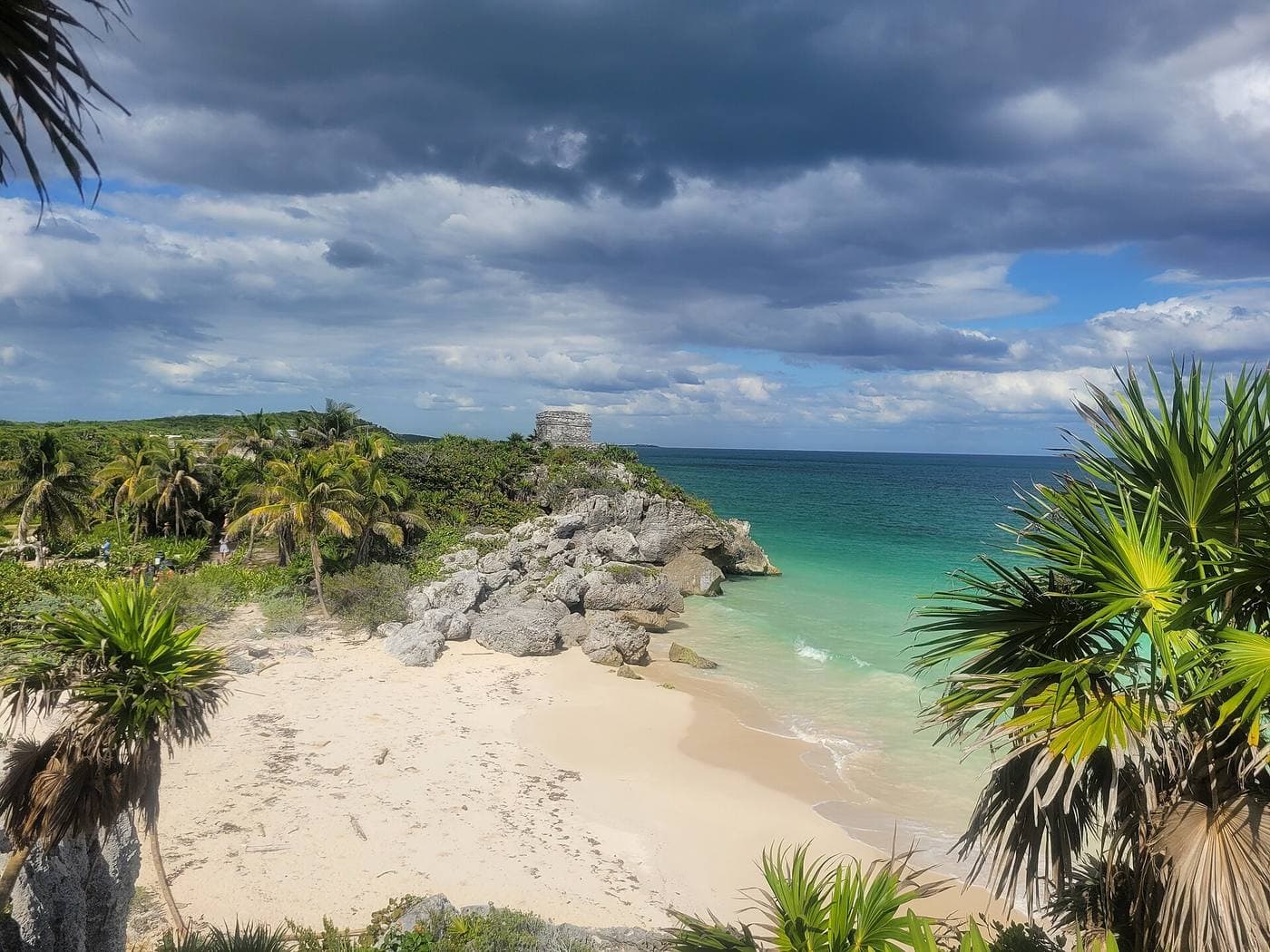
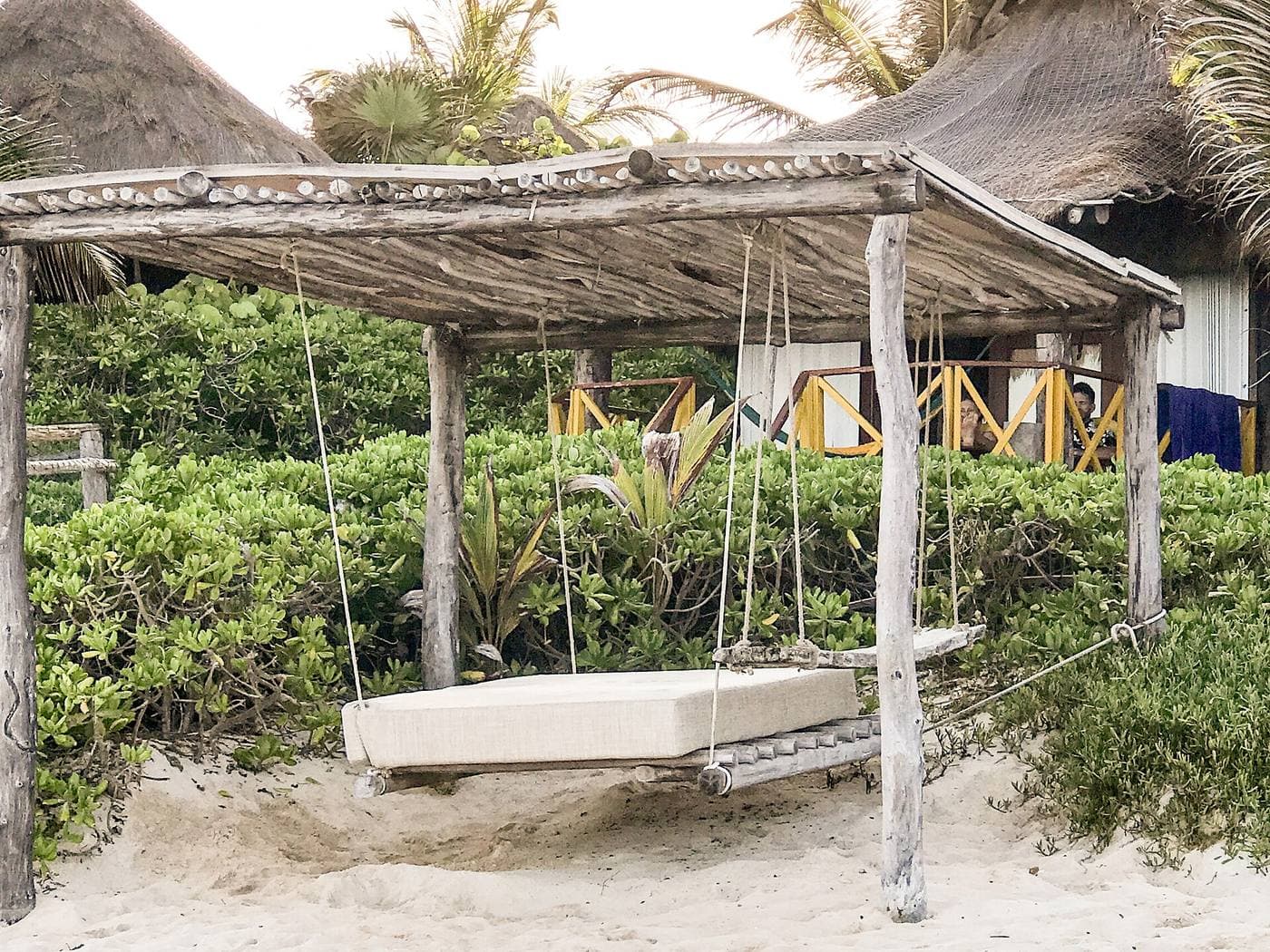
The appeal is straightforward: trade February in Winnipeg or Toronto for mornings on a terrace overlooking the Pacific, afternoons walking to the market, and evenings when you do not need a coat. Snowbirds—Canadians who spend part of the winter in warmer climates—have been making the trip to Mexico for decades, drawn by direct flights, a cost of living that stretches a pension further than it would in Florida, and towns where English is widely spoken and a Canadian flag on a balcony is a common sight.
Most arrive in November and stay through March or early April, timing the trip to avoid both the summer heat in Mexico and the coldest months at home. The rhythm is different from a vacation: you are not racing to see everything in a week. You are living somewhere else for a season, with time to find a favourite café, get to know the couple two doors down, and settle into a routine that does not revolve around a shovel.
What Daily Life Looks Like
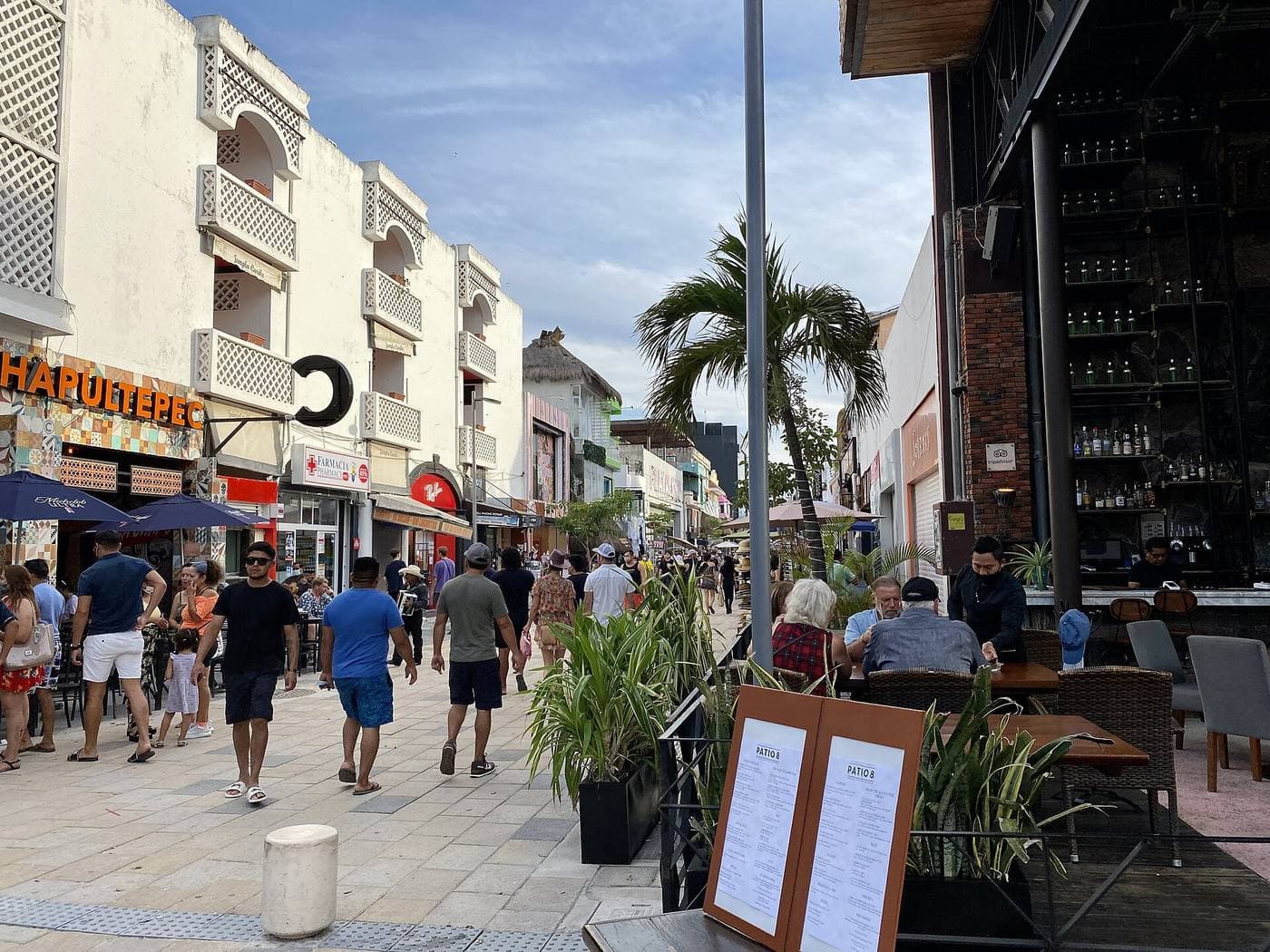
Snowbird life in Mexico tends to centre on walkable neighbourhoods close to the water. In towns like Puerto Vallarta, Mazatlán's Zona Dorada, or the stretch of the Riviera Maya around Playa del Carmen, you will find low-rise condo buildings a few blocks from the beach, grocery stores you can reach on foot, and a mix of local residents and other Canadians doing the same thing you are.
A typical day might start with coffee on your balcony, a walk along the malecón, and a stop at the mercado for produce and fresh tortillas. Lunch is often the main meal, eaten at home or at a neighbourhood spot where the menu is in Spanish and the bill is a fraction of what you would pay at a resort. Afternoons are for reading, swimming, or meeting friends; evenings are warm enough to sit outside without a sweater.
Most snowbirds rent rather than buy. A two-bedroom condo within walking distance of services and the beach typically rents for the season, and many return to the same building year after year. Those who do buy tend to choose similar properties: a condo in a building with other owners who are only there part of the year, managed by someone local who handles maintenance while you are back in Canada. Single-family homes in gated resort communities are less common among snowbirds, who value walkability and proximity to town over a private pool and a car dependency.
You are not isolated. Canadian expat groups organize dinners, day trips and volunteer projects; local language schools offer Spanish classes geared to older learners; and you will meet people at the gym, the beach, or the weekly farmers' market. But you are also not living in a Canadian enclave—your neighbours include Mexican families, American retirees, and European digital nomads, and the town around you operates in Spanish, on Mexican time, with Mexican holidays and rhythms.
What to Know Before You Make the Move
Spending the winter in Mexico requires more planning than a week at a resort, and the two biggest considerations are health coverage and tax residency.
Most Canadian provincial health plans require you to be physically present in the province for at least half the year to maintain coverage. If you spend more than six months outside Canada, you may lose your provincial health card, which means paying out of pocket if you need care when you return. Even if you stay within the limit, your provincial plan does not cover you while you are in Mexico. You will need private travel medical insurance for the entire time you are away, and you should read the policy carefully: many exclude pre-existing conditions, require you to return to Canada if you become ill, and have age-related premiums that rise steeply after seventy.
Global Affairs Canada advises Canadians to exercise a high degree of caution throughout Mexico due to high levels of criminal activity and kidnapping. The agency also advises avoiding non-essential travel to certain states, including parts of Sinaloa, Guerrero, and Michoacán, due to violence and organized crime. The popular snowbird destinations on the Pacific coast—Puerto Vallarta, Mazatlán's main tourist zones, and Manzanillo—are not subject to an avoid-non-essential-travel advisory, but crime levels are high throughout the country and demonstrations can turn violent. You should register with the Registration of Canadians Abroad service before you go, monitor local news, and follow the instructions of local authorities if there is unrest.
On the tax side, spending four or five months in Mexico does not make you a non-resident of Canada for tax purposes. According to the Canada Revenue Agency, you remain a Canadian resident if you keep your home in Canada, your spouse or dependants stay here, and you maintain your social and financial ties. That means you continue to file a Canadian tax return and report your world income, even while you are living in Mexico for part of the year. If you are considering a longer stay or a permanent move, you should speak with an accountant who understands cross-border tax, because the rules change once you sever your residential ties.
The Canadian dollar bought 12.7113 Mexican pesos on September 29, 2026, according to the Bank of Canada's indicative rate. That is the rate used for accounting purposes, not the rate you will be offered at a bank counter or a currency exchange, which will be less favourable. Most snowbirds use a combination of Canadian credit cards, ATM withdrawals in pesos, and a Mexican bank account if they return to the same place each year. You should notify your Canadian bank and credit card issuers before you leave, so your cards are not frozen for suspected fraud when you start using them in Mexico.
Making the Choice
Snowbird life is not for everyone. You are away from family for months at a time, you are navigating a different language and healthcare system, and you are living in a country where crime is a daily reality and the infrastructure is not always reliable. But for those who make the trip year after year, the trade-offs are worth it: warm weather, a lower cost of living, and a season lived at a different pace, in a place where winter means something entirely different.
If you are considering it, start with a rental for a month or two before you commit to a longer stay or a purchase. Talk to other Canadians who have done it, read the travel advisories, and make sure your health insurance and your provincial residency status are in order before you book the flight.
Renanza works with clients who are weighing a move to Mexico, whether for part of the year or full-time. If you are thinking about what to do with your Canadian property while you are away—renting it, selling it, or holding it—reach out and we will walk through your options.
Sources
Bank of Canada — Canadian dollar to Mexican peso daily exchange rate, September 2026
Global Affairs Canada — Travel advice and advisories: Mexico, updated September 27, 2026
Canada Revenue Agency — Leaving Canada (emigrants): residency status and tax
Data last checked: 2026-09-29