Key Takeaways
- Snowbirds typically settle into condos in walkable coastal towns or homes in resort communities, choosing places where they can walk to shops, restaurants and the beach.
- Keeping Canadian residency and provincial health coverage means watching how long you stay — most provinces require you to be physically present for a set number of days each year.
- Global Affairs Canada advises exercising a high degree of caution in Mexico due to high levels of criminal activity and kidnapping, and recommends avoiding non-essential travel to certain states.
- Travel insurance that covers medical emergencies outside Canada is essential, since provincial plans offer limited or no coverage abroad.
- The peso has weakened against the Canadian dollar — on October 30, 2026, one Canadian dollar bought 13.488 Mexican pesos, according to the Bank of Canada's indicative rate.
What a Snowbird Season on the Coast Looks Like
A snowbird winter in Mexico is not a vacation. It is a season of daily routines, familiar faces and a slower rhythm. Canadians who spend November through March on the Pacific or Caribbean coast describe mornings that start with coffee on a balcony, afternoons at the market or the beach, and evenings when the same group gathers at the same restaurant. The appeal is not novelty — it is the comfort of a second home, warm weather and a cost of living that stretches a pension or retirement savings further than it would in Canada.
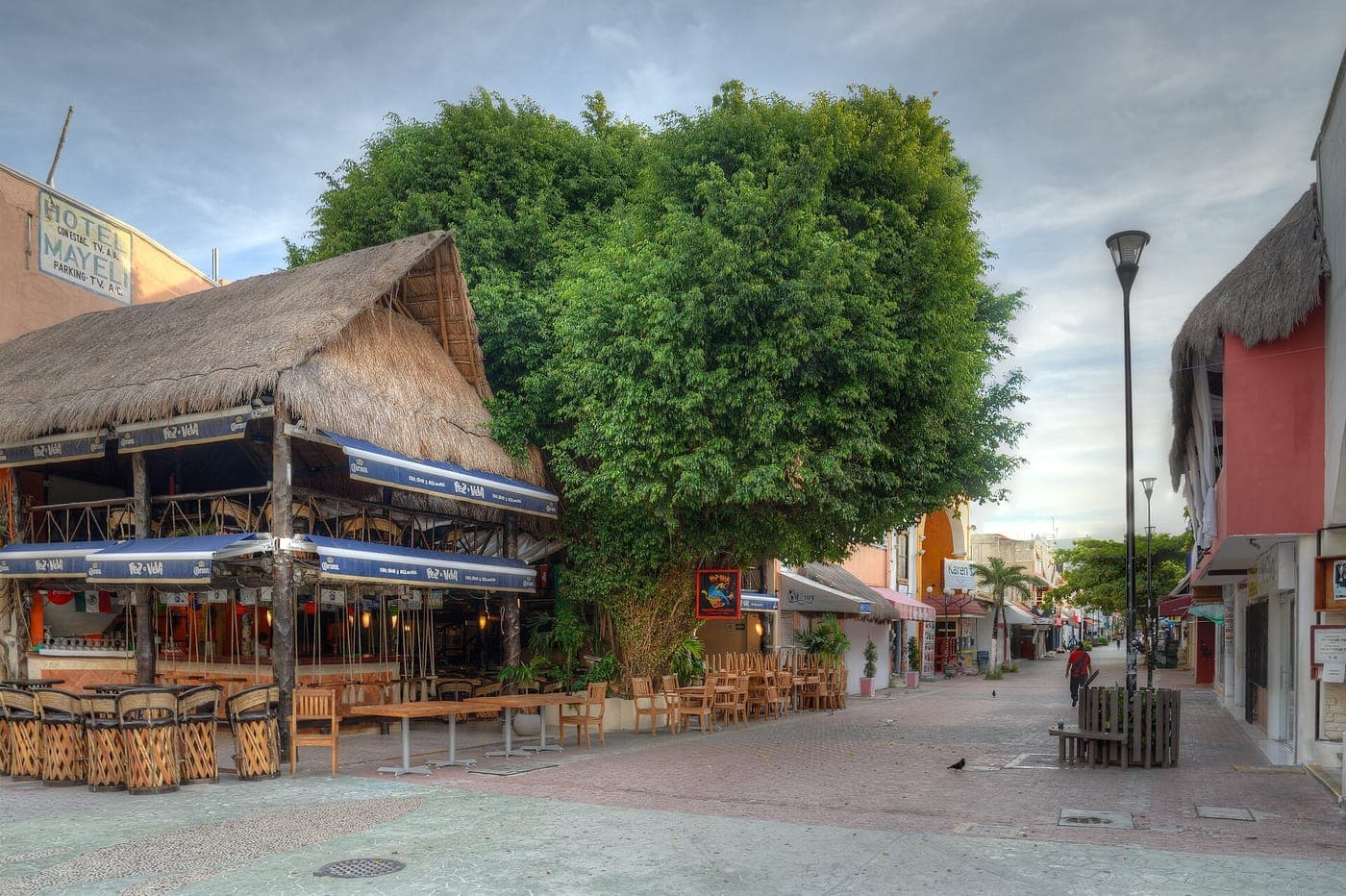
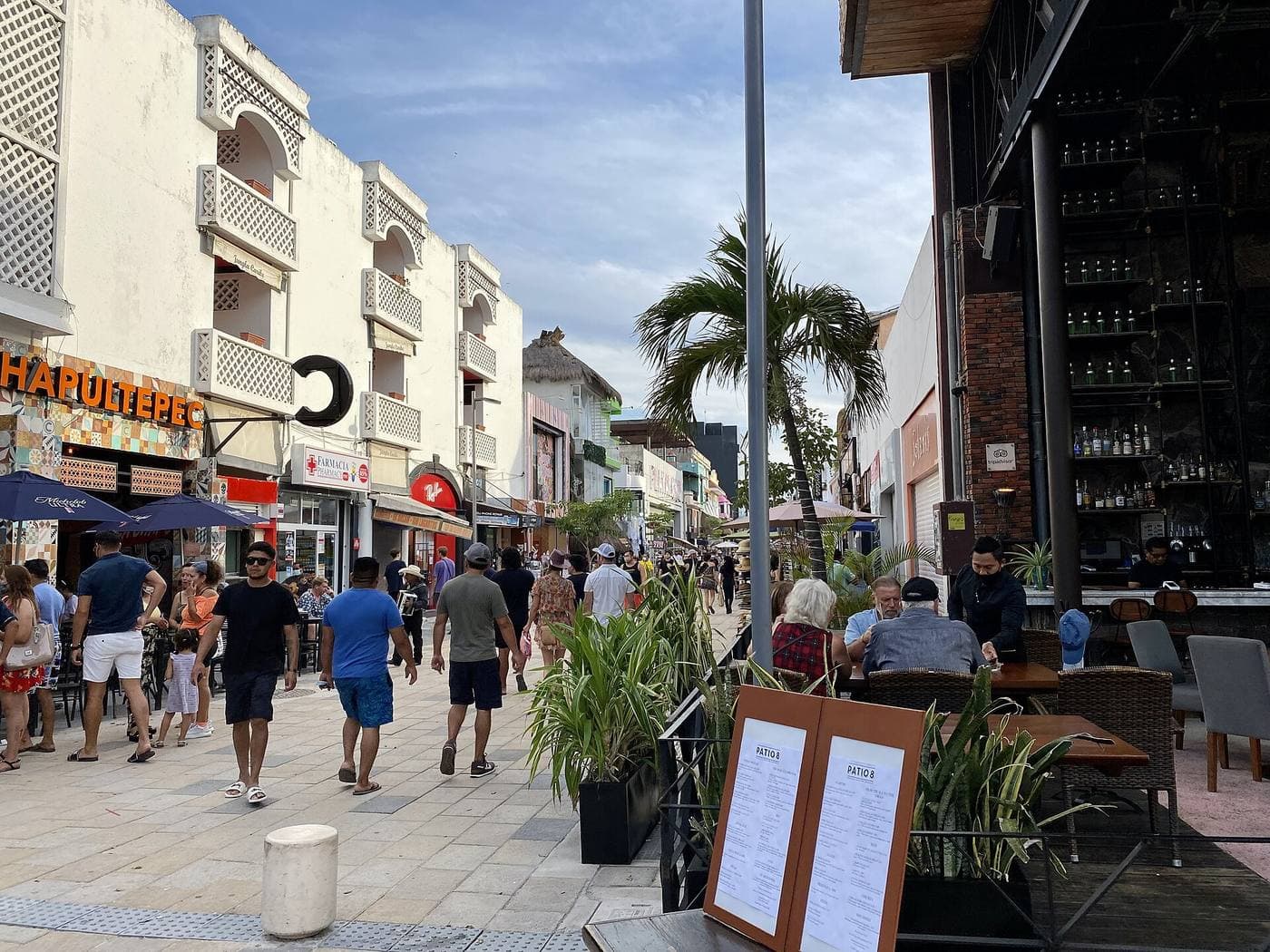
Most snowbirds rent or own condos in towns like Puerto Vallarta, Mazatlán, Playa del Carmen or Ajijic, near Lake Chapala. These are places where you can walk to the grocery store, the pharmacy and the plaza, and where a critical mass of English speakers means you can get by without fluent Spanish, though learning the language opens doors. The rhythm is social: bridge games, pickleball leagues, volunteer groups and informal gatherings that form around shared routines.
The season is also practical. You are managing two households, two sets of bills, and the logistics of mail, banking and staying connected to family back home. Many snowbirds keep a Canadian phone number, file taxes in Canada and maintain a primary residence there, even if it means leaving Mexico before the calendar would otherwise pull them north.
The Homes Snowbirds Choose
Condos are the most common choice. They are affordable, low-maintenance and clustered in neighbourhoods where other Canadians and Americans live. A two-bedroom condo within walking distance of the beach in Puerto Vallarta or Mazatlán typically offers a balcony, a shared pool and security, and it can be locked up when you return to Canada. Many buildings are managed, so repairs and upkeep are handled while you are away.
Some snowbirds buy; others rent for the season. Renting offers flexibility — you can try a new town each year, or move if a neighbourhood changes — but buying means you have your own place, your own furniture and the freedom to arrive and leave on your own schedule. Ownership also means dealing with Mexican property law, which allows foreigners to buy real estate but requires a bank trust (fideicomiso) for property within the restricted zone near the coast.
Homes in resort communities — gated developments with golf courses, clubhouses and on-site amenities — appeal to buyers who want a car-free life and a ready-made social circle. These communities are quieter and more insulated, and they attract people who want less interaction with the broader town. The trade-off is a narrower slice of Mexican life and a higher cost.
Walkability matters. Snowbirds who do not want to drive in Mexico choose neighbourhoods where they can walk or take a bus to what they need. Towns with established expat communities have English-language newspapers, Canadian-run real estate brokerages and services tailored to foreign residents, which makes settling in simpler.
Keeping Canadian Residency and Health Coverage
Most snowbirds want to remain Canadian residents for tax purposes and keep their provincial health insurance. That means being careful about how many days you spend outside Canada. The Canada Revenue Agency determines residency based on your ties to Canada — your home, your spouse, your dependants and your social and economic connections — not simply on a day count. According to the CRA, if you leave Canada but keep significant residential ties, you are usually considered a factual resident, even if you spend months abroad.
Provincial health plans have their own rules. In Ontario, for example, you must be physically present in the province for 153 days in any 12-month period to keep OHIP coverage. British Columbia requires you to be present for at least six months of the year. If you stay in Mexico too long, you risk losing coverage, and re-establishing it after a lapse can take months.
Travel insurance is not optional. Provincial health plans offer limited or no coverage outside Canada, and a medical emergency in Mexico — a fall, a heart attack, a serious infection — can cost tens of thousands of dollars. Snowbird-specific travel insurance policies cover medical emergencies, evacuation and repatriation, and they are sold by the season, not the trip. Read the policy carefully: pre-existing conditions are often excluded or require a waiting period, and some insurers will not cover you if you stay abroad longer than the policy allows.
Global Affairs Canada advises Canadians to exercise a high degree of caution in Mexico due to high levels of criminal activity and kidnapping. The agency also advises avoiding non-essential travel to certain states, including parts of Chiapas, Chihuahua, Colima, Guanajuato, Guerrero, Jalisco, Michoacán, Nayarit, Nuevo León, Sinaloa, Sonora, Tamaulipas and Zacatecas, due to violence and organized crime. Many popular snowbird destinations, including Puerto Vallarta, Mazatlán (in specific zones accessed by air or sea), Playa del Carmen and the Lake Chapala area, are not subject to these advisories, but the broader security situation is worth understanding before you commit to a season.
What to Plan For Before You Leave
Start by notifying your bank, your credit card issuer and any organization that pays you — pension administrators, investment firms — that you will be out of the country. Set up online banking and bill payments so you can manage your Canadian accounts from Mexico. Arrange for someone to collect your mail, or have it held or forwarded.
If you own property in Canada, make sure your home insurance covers an unoccupied house. Some policies require you to have someone check the property regularly, especially in winter, to prevent damage from frozen pipes or other issues. If you rent out your Canadian home while you are away, tell your insurer — a rental property requires different coverage.
Bring copies of your prescriptions, written in generic drug names, so you can refill them in Mexico if needed. Bring enough medication to last the season, or confirm that your drug plan covers foreign purchases. Bring your health card, your travel insurance policy and contact numbers, and keep them somewhere your travel companion can find them.
The peso has been volatile. On October 30, 2026, one Canadian dollar bought 13.488 Mexican pesos, according to the Bank of Canada's daily indicative rate. That rate is not what you will receive at a bank counter or a currency exchange, but it gives you a sense of direction. The peso weakened over the past year, which means Canadian dollars buy more in Mexico than they did a year ago, but exchange rates move, and a swing in the other direction will affect your budget.
If you are thinking about buying property in Mexico, work with a lawyer who specializes in real estate for foreign buyers. Mexican law is different from Canadian law, and the fideicomiso structure — the bank trust that holds title for foreigners in the restricted zone — has specific rules and costs. Do not rely on a real estate agent for legal advice.
Finding the Right Fit
A snowbird season in Mexico is not for everyone. It requires flexibility, a tolerance for bureaucracy and a willingness to live in a place where things work differently. The reward is warmth, a lower cost of living and a community of people who have made the same choice. If you are considering it, start by renting for a season. Try a town, get to know the rhythms and the practicalities, and decide whether it suits you before you buy.
Renanza works with clients who are thinking about a second home in Mexico, and we can walk you through what is available, what the process looks like and what to expect. If you are exploring your options, reach out — we are here to help.
Sources
Bank of Canada — Canadian dollar to Mexican peso daily exchange rate, October 2026 Global Affairs Canada — Travel advice and advisories: Mexico, October 2026 Canada Revenue Agency — Leaving Canada (emigrants): residency status and tax, 2026
Data last checked: 2026-10-30