Key Takeaways
- Snowbirds head to walkable coastal towns and resort communities where daily life revolves around the beach, markets and a slower pace.
- Most choose condos in town centres or homes in gated communities, balancing access to services with quiet and security.
- Keeping Canadian residency and provincial health coverage means watching how long you stay — and sorting out travel insurance before you go.
- Global Affairs Canada advises exercising a high degree of caution and monitoring conditions, especially outside major tourist areas.
- The Canada Revenue Agency considers you a factual resident if you keep residential ties in Canada, even while spending months abroad.
What a Winter on the Coast Looks Like
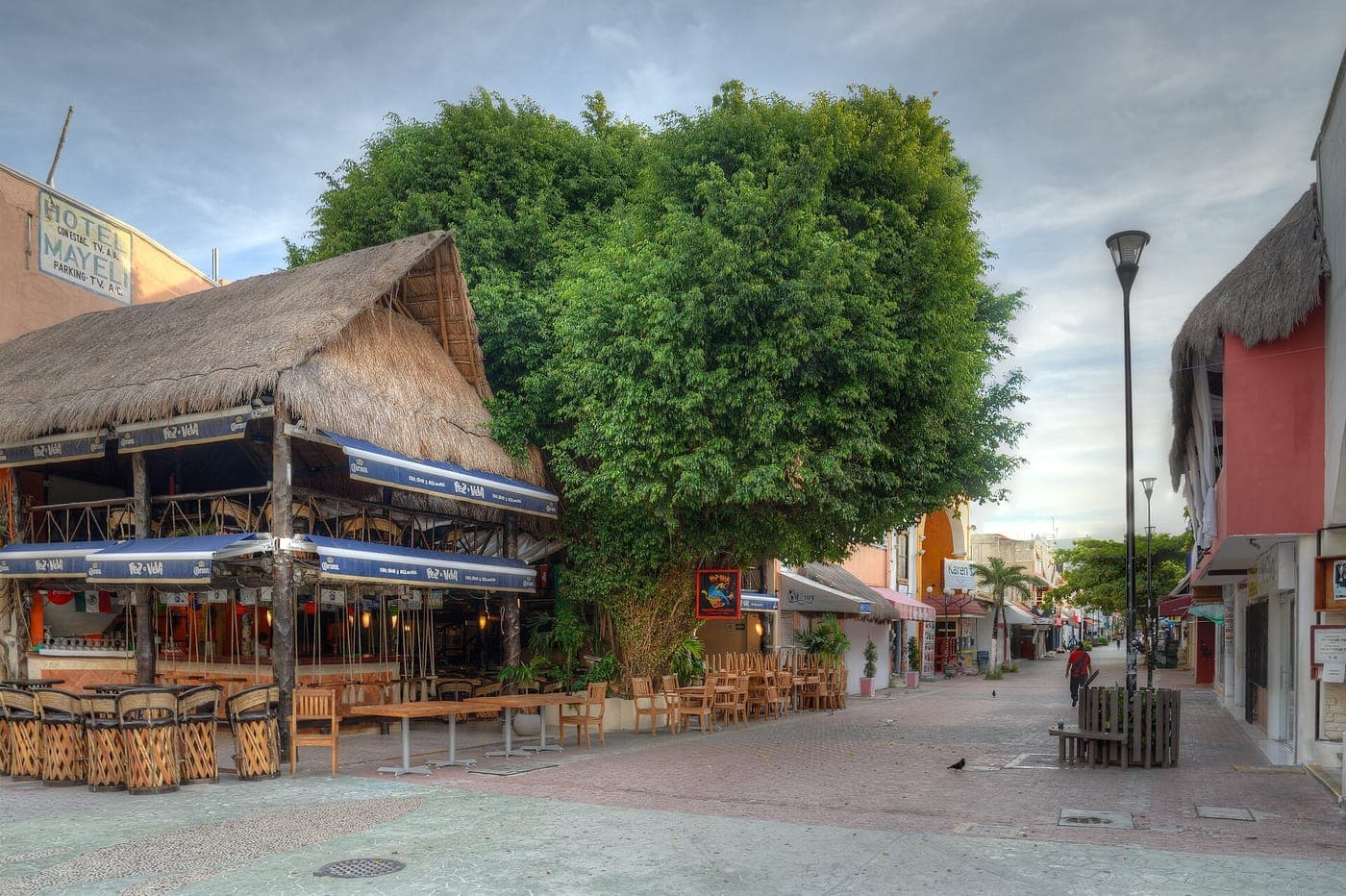
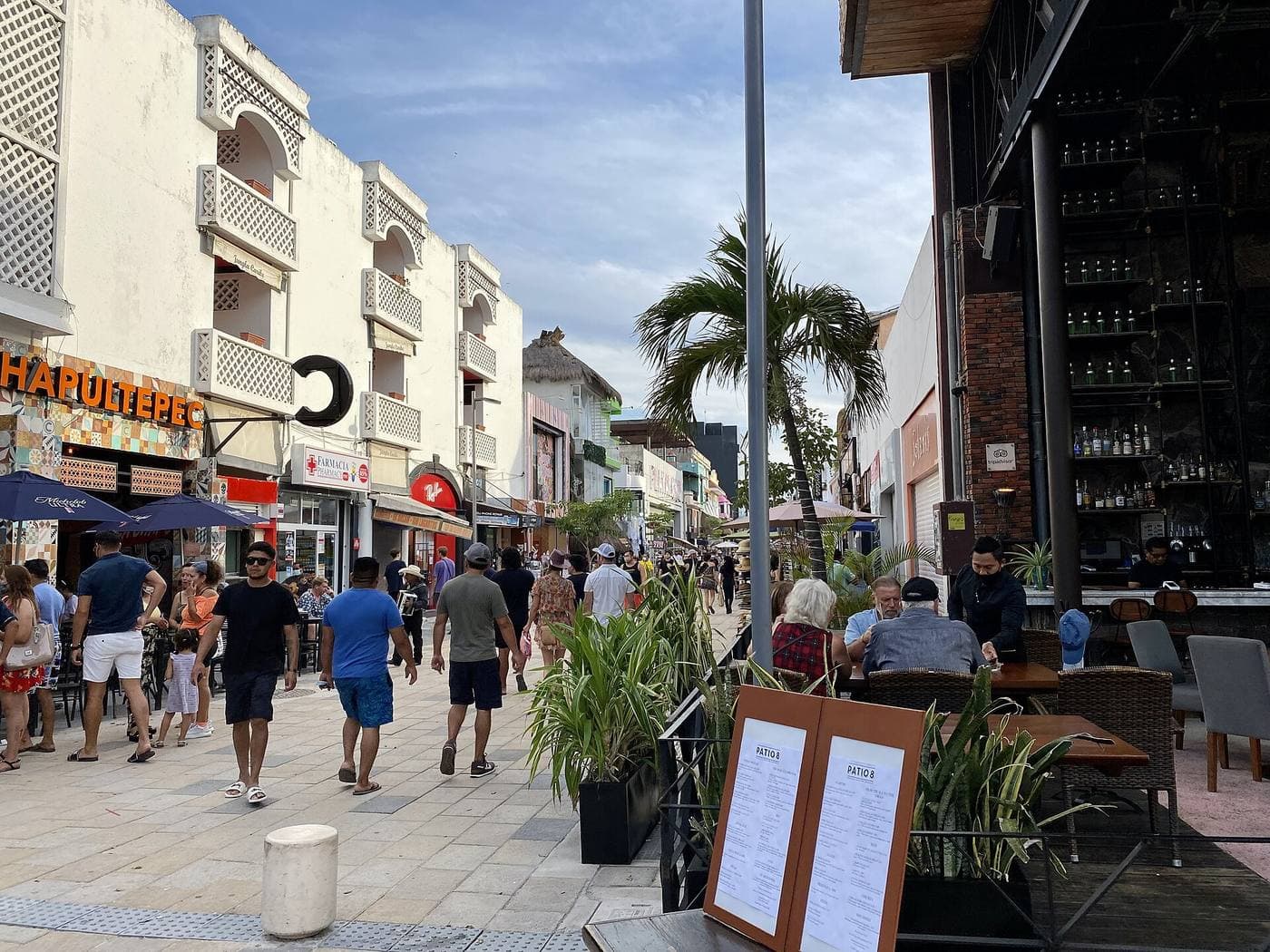
The rhythm of a snowbird winter in Mexico is unhurried. Mornings often start with a walk along the malecón or a swim before the heat builds. Markets open early, and by mid-morning the produce stalls are full — mangoes, avocados, limes — and the fish counter has whatever came in that day. Lunch is the main meal, and the afternoon is for reading, errands or a siesta. Evenings bring cooler air, street tacos and a drink on a patio.
Many snowbirds settle into a routine that mixes time alone with time in the expat community. There are language exchanges, book clubs and informal gatherings at the same café or bar each week. Some volunteer, some take art classes, some simply enjoy the fact that winter means sun and warmth instead of ice and short days.
The appeal is partly the weather and partly the cost of living, but it is also the chance to step out of the usual schedule. Life slows down. You walk more, cook more, talk to neighbours. For people who spent decades working and raising families, a few months of that feels like a gift.
The Homes Snowbirds Buy or Rent
Most snowbirds rent for their first season or two, testing a town before committing. The most popular choices are condos in walkable neighbourhoods — close to the beach, the market and a handful of restaurants. A two-bedroom condo with a balcony, a shared pool and a short walk to the water is the archetype. It is easy to lock up and leave, and it puts you in the middle of daily life.
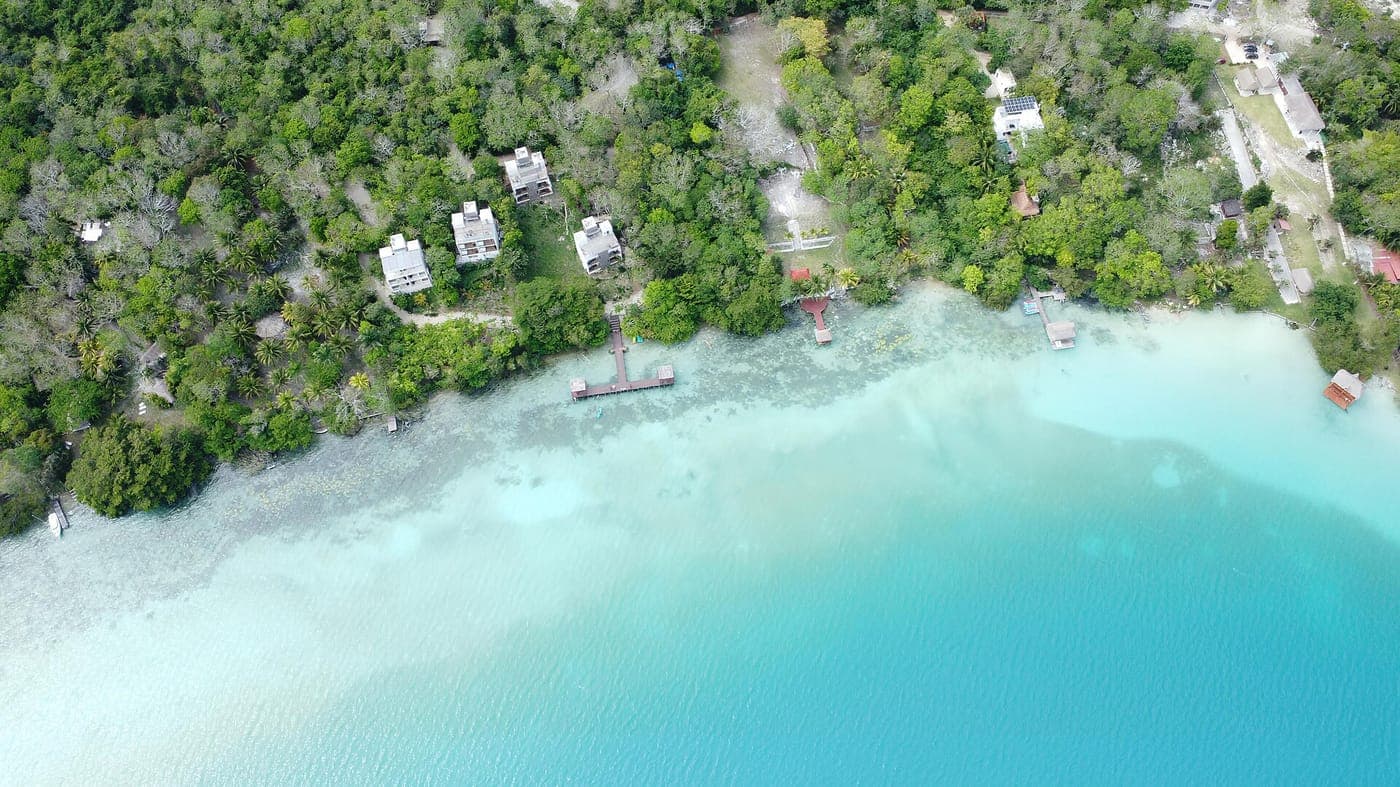
Some prefer homes in resort communities or gated developments a little outside town. These offer more space, often a private yard or terrace, and a sense of security that appeals to people who are away from Canada for months at a time. The trade-off is that you drive more and the neighbourhood can feel quiet, especially mid-week.
A smaller number buy land and build, or buy a house that needs work and renovate it. That takes time, patience and a willingness to navigate local building practices and permitting. It is not a project for someone who wants to arrive in November and relax.
Whether you rent or buy, the practical questions are the same: Is the water safe? Is the internet reliable? How far is the nearest clinic? Can you walk to what you need, or will you need a car? The answers shape daily life more than the size of the living room.
What to Sort Out Before You Go
The single most important thing to understand is how long you can stay outside Canada without losing your provincial health coverage. Each province sets its own rules, but most require you to be physically present in the province for a certain number of days each year — often at least half the year, and at least half of any six-month period. If you stay in Mexico too long, you may return to find your coverage has lapsed.
Travel insurance is not optional. Provincial health plans do not cover you outside Canada, and even if they did, the coverage would be minimal. A fall, a heart event or a serious infection can mean a hospital stay and bills in the tens of thousands of dollars. Buy insurance that covers the entire time you are away, and read the policy carefully — some exclude pre-existing conditions or require you to be stable on your medications for a set period before departure.
Global Affairs Canada advises Canadians to exercise a high degree of caution in Mexico due to high levels of criminal activity and kidnapping. The agency also advises avoiding non-essential travel to certain states, though major Pacific and Caribbean resort areas are not on that list. The advice is updated as conditions change, and it is worth checking before you leave and again if you plan to travel outside your usual area.
The Canada Revenue Agency considers you a factual resident of Canada if you keep residential ties here — a home, a spouse or dependants in Canada, or significant personal property and social ties. That means you continue to file Canadian tax returns and report your world income, even while spending months in Mexico. If you sever those ties and establish a permanent home abroad, you may become a non-resident for tax purposes, but that is a different situation and comes with its own rules. Most snowbirds remain factual residents.
You do not need a visa for stays under 180 days, but you do need a tourist card, which is issued when you arrive. Keep it safe — you will need to return it when you leave. If you plan to stay longer or buy property, you will need to look into temporary residency, which has its own requirements and timelines.
Why People Keep Coming Back
The reasons snowbirds return year after year are as much about what they leave behind as what they find. They leave the cold, the short days and the effort it takes to stay warm and mobile in a Canadian winter. They find sun, ease and a place where life costs less and moves more slowly.
They also find community. The same faces show up at the same places, and friendships form quickly. There is a shared understanding among snowbirds — everyone is there for the same reason, and everyone is figuring out the same things. That makes it easy to ask for help, share a ride or invite someone new to dinner.
For many, the rhythm of a snowbird winter becomes part of the rhythm of the year. November means packing. December means settling in. January and February are the heart of the season. March is bittersweet — time to go home, but also time to start thinking about next year.
If you are considering a snowbird winter, start by renting for a month or two. Pick a town, find a place to stay and see what daily life feels like. Talk to other Canadians who have been doing it for years. Ask about insurance, about health care, about what they wish they had known before their first trip. The answers will tell you whether this is something you want to do once or something you want to do every year.
Renanza works with clients who are buying in Mexico, whether for personal use or as an investment. If you are thinking about a property on the coast, we can walk you through what is available, what the process looks like and what to watch for. Reach out through our Mexico market overview or browse current listings.
Sources
Global Affairs Canada, Travel advice and advisories: Mexico, updated October 2026 Canada Revenue Agency, Leaving Canada (emigrants): residency status and tax, revised as rules change
Data last checked: 2026-10-23