Key Takeaways
- Canadians head to Mexico's coastal towns for warmth, walkability and a slower pace, typically staying November through March.
- Most snowbirds rent or buy condos in walkable communities or homes in resort areas with pools and services nearby.
- To keep provincial health coverage, most provinces require you to be physically present in Canada for at least half the year.
- Global Affairs Canada advises exercising a high degree of caution and monitoring local conditions, especially outside major tourist zones.
- You remain a Canadian tax resident if you keep your home and family ties here, even while spending months abroad.
Why People Make the Trip
The appeal is straightforward: trade February in Winnipeg or Toronto for a morning walk along the malecón, lunch at a taco stand, and an afternoon by the pool. Canadians who spend winters in Mexico describe the same motives — relief from cold and ice, a chance to walk every day without a parka, and a community of other snowbirds who gather at the same cafés and markets year after year.
Most arrive in November and stay through March, a rhythm that keeps them under the threshold that would jeopardize provincial health insurance. The draw is not just climate. It is the daily routine: a town small enough to know your neighbours, a plaza with live music on weekends, and a cost of living that lets retirees stretch a pension further than it would go at home.
The Canadian dollar has moved against the peso over the past year. On November 12, 2026, the Bank of Canada's indicative rate showed one Canadian dollar buying 13.0668 Mexican pesos, compared to a range over the previous months that saw the peso strengthen and weaken in turn. That rate is not what you will see at a bank counter or a currency exchange, but it gives a sense of direction. When the peso weakens, Canadian spending power rises; when it strengthens, the reverse.
The Homes Snowbirds Choose
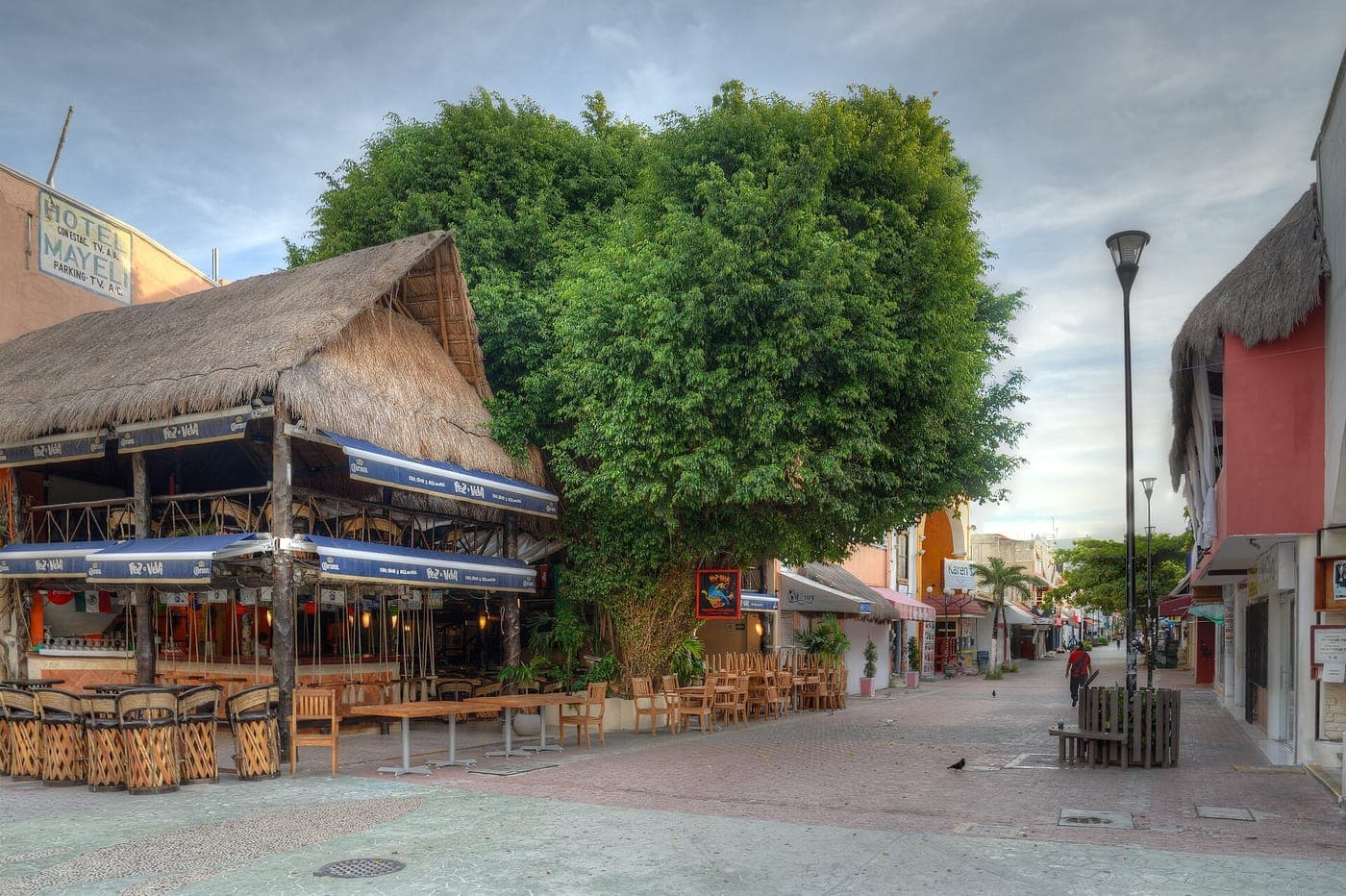
Most Canadians who winter in Mexico rent rather than buy, especially in the early years. A furnished condo in a walkable town — Puerto Vallarta, Mazatlán, Playa del Carmen — offers proximity to shops, restaurants and other snowbirds. Buildings with elevators, pools and on-site management are common choices, and many landlords offer seasonal leases that align with the snowbird calendar.
Those who do buy tend to favour the same profile: a two-bedroom condo within walking distance of the beach and the town centre, or a house in a gated community with a pool and security. The appeal of a lock-and-leave property is strong; you want to be able to close the door in April and return in November without worry.
Rental and purchase decisions hinge on how long you plan to stay and whether you want the flexibility to try a different town each year. Renting lets you test a neighbourhood, learn which streets flood in the rainy season, and figure out whether you prefer the Pacific or the Caribbean coast before committing to ownership.
What to Arrange Before You Leave
Keeping your status as a Canadian resident — for tax and health coverage — requires planning. According to the Canada Revenue Agency, you remain a resident if you keep your main ties to Canada: a home, a spouse or dependants here, and your social and economic life rooted in a Canadian province. Most snowbirds keep their Canadian home, spend fewer than six months abroad, and file their taxes as residents.
Provincial health insurance typically requires you to be physically present in your home province for at least half the year, though the rules vary. If you spend more than the allowed time outside Canada, you may lose coverage. Before you book your flight, check your province's residency requirements and make sure your absence will not trigger a lapse.
Travel insurance is not optional. Provincial health plans do not cover you outside Canada, and medical care in Mexico — even in private hospitals — can be expensive if you are paying out of pocket. Snowbirds buy insurance that covers the full length of their stay, and many policies require a medical questionnaire or exclude pre-existing conditions. Read the terms carefully and buy coverage before you leave.
Global Affairs Canada advises Canadians in Mexico to exercise a high degree of caution due to high levels of criminal activity and kidnapping in parts of the country. The agency's travel advisory notes that major tourist destinations have seen lower levels of gang-related violence because of efforts by Mexican authorities, but violent crime still occurs in cities, resorts and popular areas. The advisory recommends avoiding non-essential travel to certain states and staying informed through local media. If you are spending months in Mexico, register with the nearest Canadian consulate and keep the contact information handy.
You will also need to notify your Canadian bank and any institutions that pay you — pension providers, investment accounts — that you are temporarily outside the country. This prevents your accounts from being flagged or frozen while you are abroad.
What the Season Actually Looks Like
Daily life for a snowbird in Mexico is quieter than vacation. You wake up without an alarm, walk to the market for fruit and coffee, and spend the afternoon reading by the pool or meeting friends for a late lunch. Evenings might mean a stroll along the beach or dinner at a neighbourhood restaurant where the owner knows your name.
The rhythm is slower, and that is the point. You are not sightseeing every day; you are living in a place where the weather allows you to be outside, where you can walk to errands, and where the cost of a meal or a taxi does not require a budget spreadsheet.
Many snowbirds describe a routine that mirrors what they did at home, only warmer: morning exercise, errands, social time, and hobbies they did not have time for during working years. Some volunteer, some take Spanish lessons, some simply enjoy the fact that they do not need to shovel snow or worry about ice on the driveway.
The trade-off is distance from family. Flights home are manageable but not trivial, and if something happens — a grandchild's birthday, a health issue — you may need to return on short notice. Snowbirds who do this year after year say the key is staying connected through video calls and planning visits around school breaks or holidays when family can come south.
Making the Choice
If you are considering a winter in Mexico, start by renting for a season. Pick a town, find a condo, and see whether the reality matches the idea. Talk to other Canadians who have done it, ask about the practicalities — where they bank, how they get prescriptions, what they wish they had known before the first trip — and use that information to shape your own plan.
Mexico offers warmth, affordability and a chance to live at a different pace for a few months each year. Whether that suits you depends on how you want to spend your time, how much you value proximity to family, and whether you are comfortable navigating a different language and system.
If you are thinking about buying a property in Mexico — as a snowbird home or an investment — Renanza can walk you through what the market looks like, what the process involves, and how Canadian buyers approach it. Browse Mexico listings or reach out for a conversation about what makes sense for your situation. You can also explore our international and presale projects or read more market news to see how other Canadians are making the move.
Sources
Bank of Canada — Canadian dollar to Mexican peso daily exchange rate, November 2026 Global Affairs Canada — Travel advice and advisories: Mexico, October 2026 Canada Revenue Agency — Leaving Canada (emigrants): residency status and tax, 2025
Data last checked: 2026-11-12