Key Takeaways
- Canadian retirees are drawn to Mexico for year-round warmth, established English-speaking communities and a cost of daily life that stretches pension income further when paid in pesos.
- A typical day might include morning walks along the malecón, fresh produce at local markets and afternoons with neighbours who made the same move.
- Before you relocate, Global Affairs Canada advises sorting out health insurance, understanding tax residency, confirming your pension will be paid abroad and registering with the consulate.
- Safety varies widely by region; some coastal resort towns see lower levels of gang violence, while other areas carry advisories to avoid non-essential travel.
- Professional advice on taxes, immigration status and estate planning is essential — the rules differ from Canada's and change over time.
What draws people south
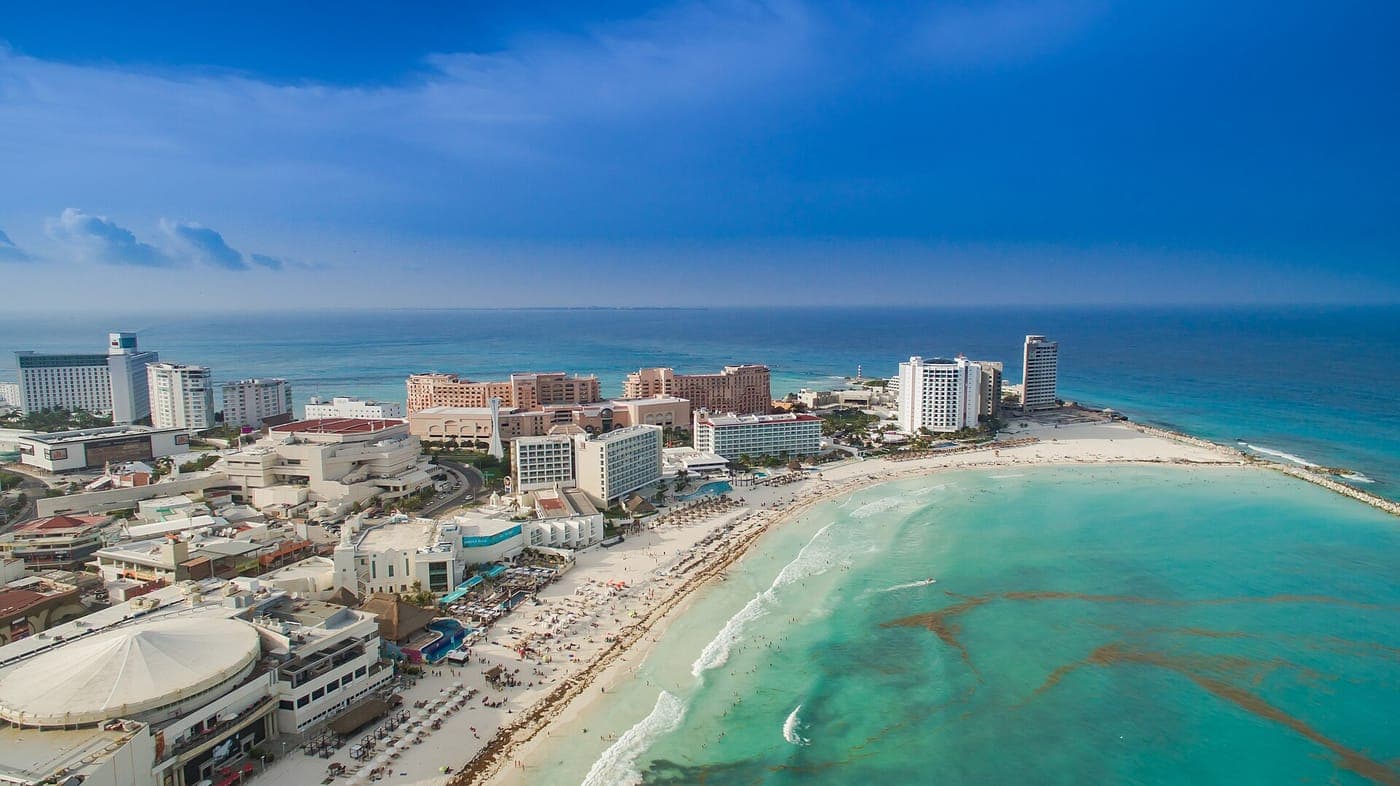
For many Canadians, the decision to retire in Mexico begins with the weather. January in Puerto Vallarta or Playa del Carmen means sandals and short sleeves, not ice scrapers and furnace repairs. The appeal is straightforward: a climate that allows outdoor life every day of the year.
But warmth is only part of it. Established Canadian and American communities mean you can find English-language book clubs, bridge games and someone who knows a good dentist. In towns along the Pacific and Caribbean coasts, entire neighbourhoods are anchored by retirees who arrived a decade ago and stayed. You are joining a pattern, not pioneering one.
Cost is the other constant in these conversations. The Canadian dollar buys Mexican pesos, and daily expenses — groceries, utilities, a meal out — are often lower than at home. According to the Bank of Canada, one Canadian dollar was worth 13.1648 Mexican pesos as of November 9, 2026. That exchange rate shapes everything from rent to restaurant bills, and retirees quickly learn to think in both currencies.
What a good day looks like
Morning usually starts early, before the heat builds. A walk along the beach or the town square, coffee at a café where the staff know your name. Markets open early too, and the rhythm of shopping becomes part of the routine: fresh tortillas, avocados by the kilo, fish brought in that morning.
Afternoons are for errands, Spanish lessons or simply reading in the shade. Many retirees describe a slower pace, less structured than working life in Canada. There is time to cook, to sit with neighbours, to take up hobbies that were postponed for years.
Evenings might mean dinner with friends, live music at a local venue or a quiet night at home. The social fabric in expat communities can be tight-knit; people look out for one another, share recommendations and organize group outings. It is a version of retirement that emphasizes connection and simplicity, with the ocean or the mountains as a backdrop.
What to sort out before you make the move
Global Affairs Canada publishes a guide for Canadians living abroad, and it is worth reading in full before you pack. The checklist covers financial, health and legal considerations that are easy to overlook until you need them.
Health insurance is the first item. Provincial health plans generally do not cover you outside Canada for extended periods, so private insurance becomes necessary. Understand what is covered, what the deductibles are and how claims are filed. Medical care in Mexico can be excellent and affordable, but you need a plan for serious illness or evacuation.
Pensions and banking come next. Confirm that your Canada Pension Plan, Old Age Security and any private pensions will be paid while you live abroad. Set up online banking and consider a power of attorney for someone in Canada who can handle financial matters if needed. Global Affairs Canada advises establishing these arrangements before you leave.
Tax residency is more complex. Depending on how long you stay and where you maintain ties, you may owe taxes in Canada, Mexico or both. The rules are specific and the consequences of getting them wrong are real. This is not an area for guesswork; hire an accountant who understands cross-border tax obligations.
Immigration status matters too. Tourist visas allow stays of up to 180 days, but if you plan to live in Mexico year-round, you will need temporary or permanent residency. The application process involves proving income, submitting documents and attending appointments at a Mexican consulate. Start early and expect bureaucracy.
Finally, register with the Registration of Canadians Abroad service. It is free, and it means the Canadian government can reach you in an emergency — whether that is a natural disaster, a family crisis at home or a consular issue.
Safety and what the advisories say
Safety in Mexico is not uniform. Global Affairs Canada's travel advisories make that clear. Some regions carry warnings to avoid non-essential travel due to organized crime and violence. Other areas, particularly major resort towns accessed by air, see lower levels of gang-related activity because Mexican authorities have focused resources there.
According to Global Affairs Canada, violent crime occurs throughout Mexico, including in tourist areas and resorts. Fighting between criminal groups has taken place in hotels, nightclubs and restaurants, and innocent bystanders have been injured or killed. The advisory is blunt: you may be in the wrong place at the wrong time.
That said, many retirees live in Mexico for years without incident. They stay in areas with strong expat communities, avoid travel after dark, keep a low profile and stay informed about local conditions. The travel advice page is updated as conditions change, and checking it regularly is part of the routine.
Border areas and certain states carry higher risk. If you are considering a location, read the specific advisory for that region. Some retirees choose gated communities or buildings with security; others prefer neighbourhoods where they know their neighbours and feel embedded in daily life. There is no single answer, but the decision should be informed.
Making the move work
Retiring in Mexico is not a fantasy; it is a practical choice that thousands of Canadians have made. It requires planning, flexibility and a willingness to navigate systems that work differently than they do at home. The rewards — climate, community, a different pace — are real, but so are the responsibilities.
If you are serious about it, start by visiting the places you are considering, not just as a tourist but as someone imagining daily life there. Talk to people who have made the move. Read the Government of Canada's guide to living abroad. Line up your insurance, your legal advice and your financial arrangements before you go.
Renanza works with clients who are exploring opportunities in Mexico, whether that means a vacation property, a retirement home or an investment. If you are weighing your options, we can walk you through what is available and what the process looks like. Reach out, and we will start the conversation.
Sources
Bank of Canada — Canadian dollar to Mexican peso daily exchange rate, November 2026
Global Affairs Canada — Travel advice and advisories: Mexico, updated October 2026
Global Affairs Canada — Living abroad: a guide for Canadians, updated September 2026
Data last checked: 2026-11-09