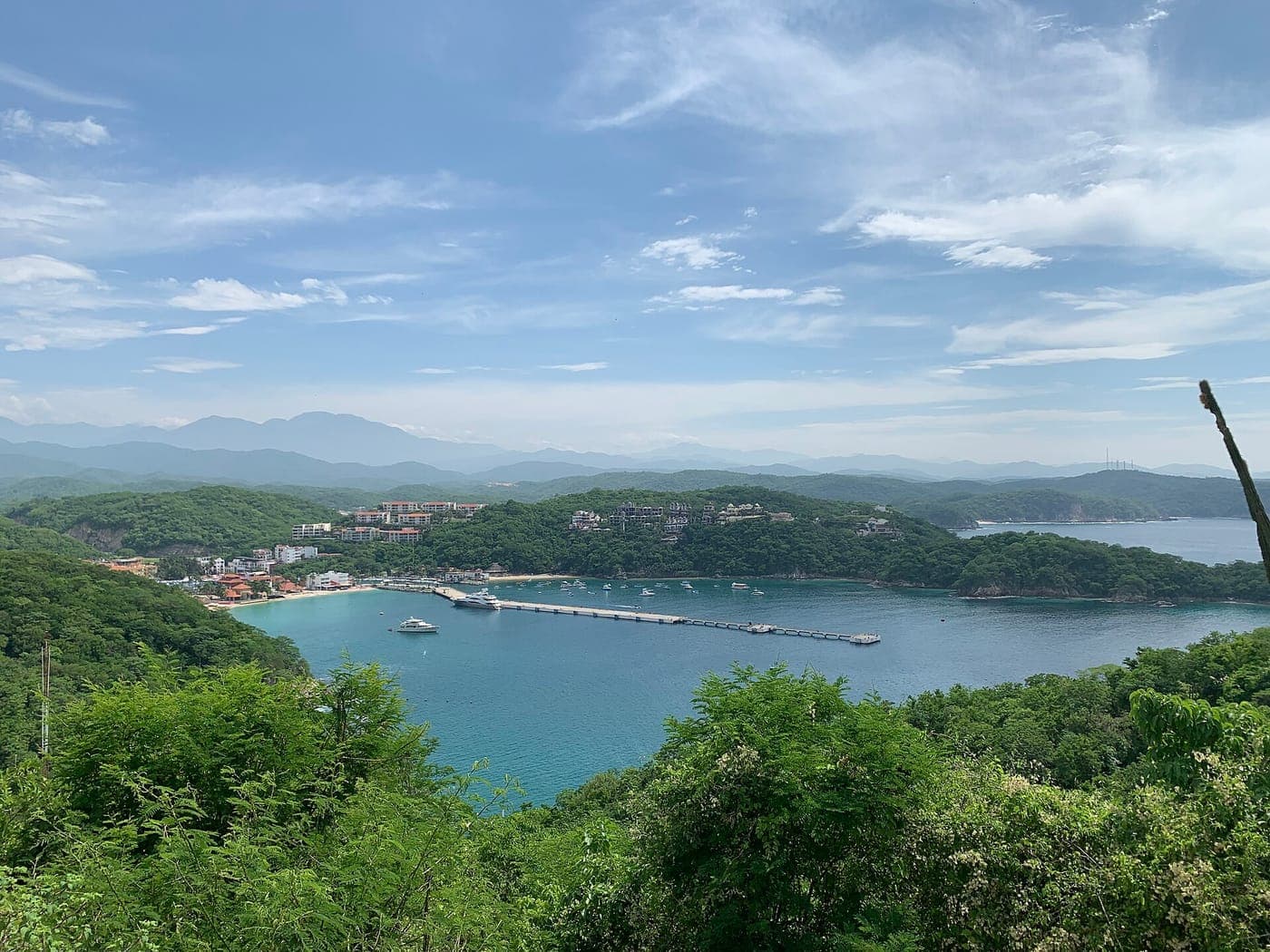
A growing number of Canadians are buying property in Mexico not only as a place to escape winter, but as an investment that generates rental income when they are not there. Others are putting deposits on presale projects in coastal communities, betting on appreciation before the building is finished. The appeal is straightforward: lifestyle, climate, and the purchasing power of the Canadian dollar in pesos. The practical side—travel advisories, tax reporting, and the rules on foreign property—requires attention before you close.
Key Takeaways
- The Canadian dollar bought more pesos in mid-November than it did in late October, meaning your purchase price or renovation budget stretches further when converted.
- Global Affairs Canada advises exercising a high degree of caution throughout Mexico due to criminal activity, with stronger warnings for certain states; major tourist destinations and coastal resorts have lower levels of gang-related violence.
- The Canada Revenue Agency requires you to file Form T1135 if the total cost of your foreign property exceeds one hundred thousand dollars at any time during the year, and to report any rental income you earn.
- Professional tax and legal advice is essential; the rules on reporting foreign income, withholding taxes in Mexico, and the interaction between the two countries' tax systems are complex.
- Renanza offers access to presale and completed projects in Mexico, with support for Canadians navigating the purchase process.
Why Canadians Look at Mexico for Investment Property
The draw is a combination of climate, cost, and income potential. A condo or villa on the Pacific coast or the Caribbean gives you a place to spend the winter and a rental asset the rest of the year. Short-term vacation rentals in popular areas can generate meaningful income, especially during high season when snowbirds and tourists fill the coastal towns.
Presale projects—condos or houses sold before construction is complete—offer another path. Developers in places like Playa del Carmen, Puerto Vallarta, and Tulum market units at a discount to the expected completion price. The bet is that the property appreciates between the time you put down a deposit and the time you take possession, and that rental demand will be strong when the building opens.
The Canadian dollar's exchange rate matters. According to the Bank of Canada, one Canadian dollar bought approximately twelve point nine nine Mexican pesos on November 16, 2026. That rate is stronger than it was in late October, when the same dollar bought less. The rate fluctuates daily, and the Bank of Canada's published figure is an indicative rate, not the rate you will be offered at a bank counter or currency exchange. Still, the direction matters: when the Canadian dollar strengthens against the peso, your purchase price, closing costs, furnishings, and property management fees cost you less in Canadian terms.
What Global Affairs Canada Says About Travel and Safety
Before you buy, understand the environment. Global Affairs Canada advises Canadians to exercise a high degree of caution throughout Mexico due to high levels of criminal activity and kidnapping. The advisory is stronger for certain states, where the government recommends avoiding non-essential travel because of violence and organized crime.
Major tourist destinations and coastal resorts have seen lower levels of gang-related violence, according to the advisory, because Mexican authorities have made efforts to protect these areas. However, violent crime still occurs in cities, popular tourist areas, and resorts, including in hotels, nightclubs, and restaurants. Innocent bystanders have been injured or killed in confrontations between criminal groups.
If you are buying in a resort area accessed by air—such as parts of the Pacific coast or the Riviera Maya—the risk profile is different than in border regions or areas where organized crime is more active. Read the full advisory, understand which regions carry stronger warnings, and factor that into your decision about where to buy and how often you plan to visit.
Tax Reporting: Form T1135 and Foreign Income
Owning property in Mexico triggers Canadian tax obligations. According to the Canada Revenue Agency, you must file Form T1135, the Foreign Income Verification Statement, if the total cost amount of your foreign property exceeds one hundred thousand dollars at any time during the year. The threshold is based on cost amount—generally the adjusted cost base, not the current market value.
The form is due on or before the due date of your income tax return, even if you do not owe tax. You can file it electronically for recent tax years. If you own a vacation condo in Mexico that you paid one hundred and fifty thousand Canadian dollars for, you must file Form T1135 every year you own it, reporting the cost, the country, and the type of property.
Any rental income you earn is taxable in Canada. If you rent the property to vacationers when you are not using it, you must report that income on your Canadian tax return. Mexico may also withhold tax on the rental income, and the interaction between the two countries' tax treaties and domestic rules determines how much Canadian tax you ultimately pay and whether you can claim a foreign tax credit. The mechanics are not simple.
Personal-use property—a vacation home you use primarily as a residence and do not rent out—does not need to be reported on Form T1135. But if you rent it even part of the year, it is no longer purely personal-use, and the reporting obligation applies.
What It Means for Buyers
If you are considering a vacation property that doubles as a rental investment, start with the location. Coastal communities with established tourism infrastructure, direct flights from Canada, and a track record of rental demand offer the most predictable income potential. A condo in a managed resort with an on-site rental program is easier to operate from Canada than a standalone house you manage yourself.
Presale projects carry different risks. You are buying based on renderings and a sales pitch, not a finished building. Construction delays, changes to the final product, and the financial health of the developer all matter. The upside is a lower entry price and the potential for appreciation, but the downside is uncertainty and the risk that the project does not deliver what was promised.
Budget for the full cost in Canadian dollars, including the purchase price, closing costs, furnishings, property management, and ongoing fees. Then convert that total at a realistic exchange rate, not the best rate you have seen in the past year. The peso fluctuates, and a rate that favours you today may not hold when you wire the funds.
Hire a Mexican lawyer to review the purchase contract, confirm title, and explain the trust structure that foreign buyers use to hold property in restricted zones near the coast. Hire a Canadian accountant who understands cross-border tax to explain your reporting obligations, the treatment of rental income, and the tax consequences if you eventually sell.
What It Means for Investors
If your primary goal is income and appreciation, not lifestyle, the analysis is sharper. Rental yield—the annual rental income as a percentage of the purchase price—varies widely by location and property type. A two-bedroom condo in a high-demand resort may generate enough short-term rental income to cover your costs and produce a profit, especially if you buy at a presale discount and the market strengthens by the time the building is finished.
But rental income in pesos converts back to Canadian dollars at whatever the exchange rate is when you receive it. If the peso weakens against the Canadian dollar, your income in Canadian terms falls. If the peso strengthens, your income rises. Currency risk cuts both ways.
Property management fees, maintenance, insurance, and Mexican taxes reduce your net income. If you are not on-site, you will pay someone to manage the property, handle bookings, and deal with repairs. Those costs are higher for short-term vacation rentals than for long-term leases.
The tax treatment of a gain when you sell is another layer. Mexico taxes capital gains on real estate, and Canada taxes your worldwide income, including gains on foreign property. The foreign tax credit system is meant to prevent double taxation, but the timing, the calculation, and the paperwork require professional help.
The Outlook
Mexico remains attractive to Canadians who want a second home in a warm climate and see an opportunity to earn income from it when they are not there. The Canadian dollar's recent strength against the peso improves the purchasing power of buyers converting funds today, though exchange rates move and no one should assume the current rate will hold.
The tax and reporting obligations are real and not optional. The Canada Revenue Agency has clear rules, and failing to file Form T1135 or report foreign rental income can result in penalties and interest. The complexity of cross-border tax makes professional advice worth the cost.
Travel advisories and safety conditions vary by region. The major resort areas that attract Canadian buyers have seen efforts to maintain security, but violent crime occurs throughout Mexico, and buyers need to understand the risks in the specific area they are considering.
For Canadians who do their homework, hire the right advisors, and choose a location with strong rental demand and manageable risk, a vacation property in Mexico can deliver both personal enjoyment and investment returns. For those who skip the due diligence or underestimate the tax and management complexity, the experience is likely to be frustrating and expensive.
Renanza works with developers and projects in Mexico, offering Canadians access to presale and completed properties in coastal communities. If you are exploring an investment property in Mexico, start by understanding the market, the legal structure, and the tax rules, then look at the specific projects and locations that fit your goals. Visit our Mexico market overview to see current opportunities, or browse international and presale projects to compare what is available.
Sources
Bank of Canada — Canadian dollar to Mexican peso daily exchange rate, November 2026 Global Affairs Canada — Travel advice and advisories: Mexico, October 2026 Canada Revenue Agency — Questions and answers about Form T1135 (foreign property)
Data last checked: 2026-11-16