Canadians are buying property in Mexico for reasons that go beyond a place to escape winter. A vacation home that earns rental income when you are not using it, or a presale unit in a coastal development, combines lifestyle with the possibility of returns. The appeal is straightforward: warm weather, lower entry costs than comparable Canadian markets, and the chance to offset ownership expenses with short-term rental income.
Before you commit, you need to understand the currency picture, what the Government of Canada says about travel and safety, and how the Canada Revenue Agency expects you to report foreign property and income. This is not a passive investment. It requires planning, professional advice, and a clear view of what you are taking on.
Key Takeaways
- The Canadian dollar bought more pesos in early September 2026 than it does now; the Bank of Canada's indicative rate on November 3, 2026 was 0.07460 Canadian dollars per peso.
- According to Global Affairs Canada, violent crime is high throughout Mexico, and several states carry advisories to avoid non-essential travel; major tourist destinations have seen lower gang-related violence but incidents still occur.
- The Canada Revenue Agency requires you to file Form T1135 if the total cost amount of your foreign property exceeds one hundred thousand dollars at any time during the year, and to report all foreign rental income on your Canadian tax return.
- Buying property in Mexico for investment means managing currency risk, understanding local rental markets, and meeting Canadian tax obligations; professional tax and legal advice is essential.
- Renanza offers access to presale projects and vacation properties in Mexico; speak with an advisor to explore what fits your goals.
The Canadian Dollar and the Peso
The exchange rate matters because you earn rental income in pesos and eventually convert it back to Canadian dollars. The Bank of Canada publishes a daily indicative rate that shows the price of one Mexican peso in Canadian dollars. On November 3, 2026, that rate was 0.07460 Canadian dollars per peso. The rate you actually receive at a bank or currency exchange will differ, but the Bank's figure gives you a reference point.
The rate has moved. In early September 2026, one peso cost more in Canadian dollars than it does now, meaning the Canadian dollar has strengthened slightly against the peso over the past two months. Currency moves in both directions, and if the peso weakens further against the Canadian dollar, your rental income buys fewer Canadian dollars when you bring it home. If the peso strengthens, your income converts to more. You cannot eliminate currency risk, but you can plan for it by understanding that returns are not fixed in Canadian dollar terms.
Why Canadians Buy Vacation Homes in Mexico
The model is simple: you own a property you use for part of the year, and you rent it out the rest of the time. The rental income offsets your mortgage, property taxes, maintenance and management fees. In some cases, the property generates positive cash flow. In others, it reduces your net cost of ownership.
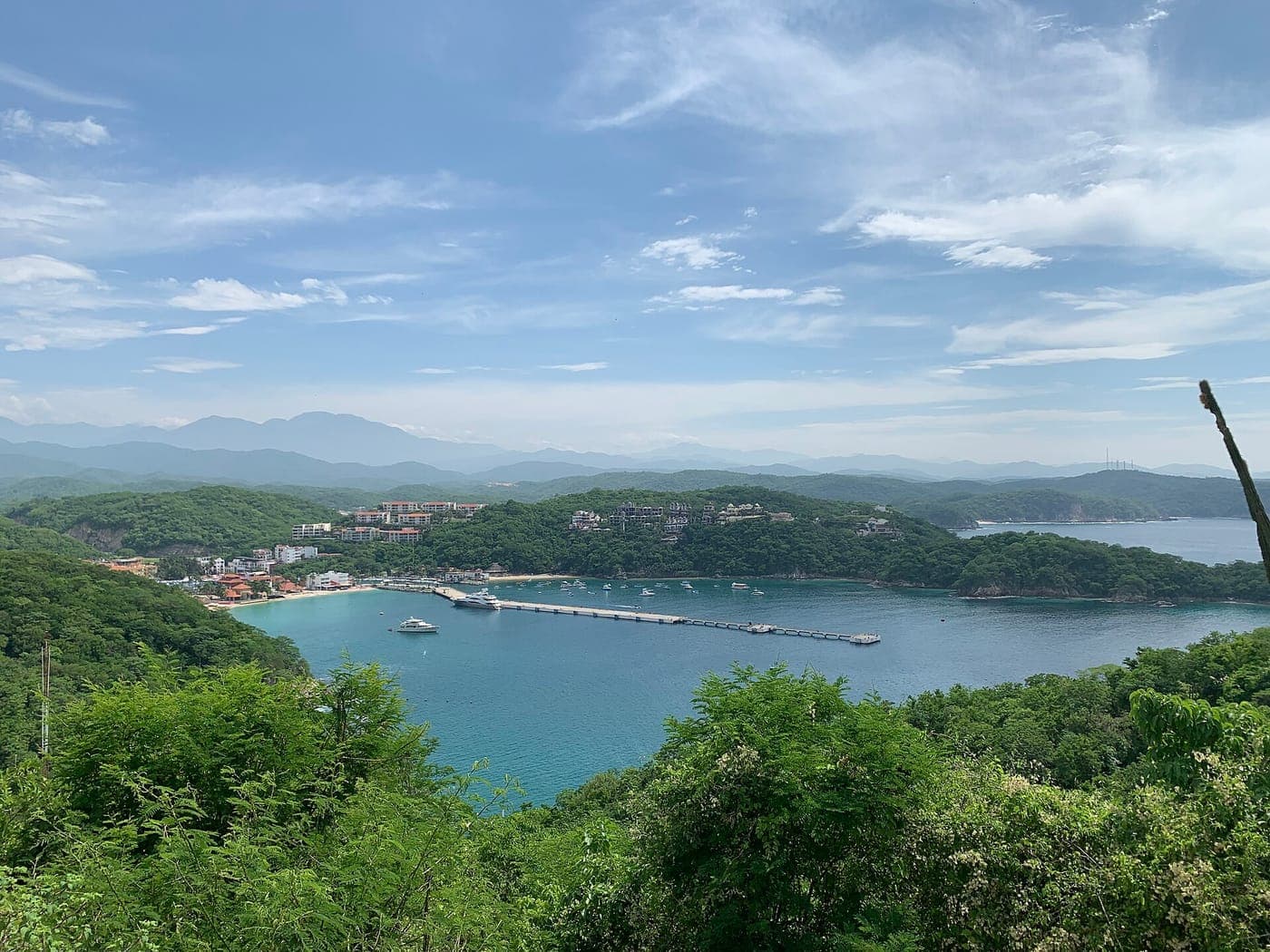
Coastal communities in Mexico attract short-term renters, particularly during Canadian winter. Demand is seasonal, and occupancy rates vary by location, property type, and how well the unit is marketed. A condo in a managed resort with an established rental program is easier to fill than a standalone house you manage yourself from Canada. You need a local property manager, a plan for maintenance and repairs, and a realistic view of what vacancy and turnover cost you.
Presale projects offer a different opportunity. You buy a unit before construction is complete, often at a lower price than finished inventory. The risk is that the project is delayed, that the developer does not deliver what was promised, or that the market shifts before you take possession. The potential reward is capital appreciation and the ability to rent or resell at a higher price. Presale buyers need to understand the developer's track record, the legal structure of the purchase, and what recourse they have if things go wrong.
What Global Affairs Canada Says About Travel and Safety
According to Global Affairs Canada, you should exercise a high degree of caution in Mexico due to high levels of criminal activity and kidnapping. The advisory is not uniform across the country. Several states carry stronger warnings to avoid non-essential travel due to violence and organized crime, including Chiapas (with exceptions for specific cities and routes), Chihuahua (excluding Chihuahua City), Colima (excluding the city of Manzanillo if accessed by air), and parts of Guanajuato, Guerrero, Jalisco, Michoacán, Nayarit, Nuevo León, Sinaloa, Sonora, Tamaulipas and Zacatecas.
Major tourist destinations have seen efforts by Mexican authorities to reduce gang-related violence, and those efforts have had some effect. However, violent crime still occurs in cities, resorts and popular tourist areas. Fighting between criminal gangs has taken place in hotels, nightclubs and restaurants, and bystanders have been injured or killed. The advisory notes that you may be in the wrong place at the wrong time.
If you own property in Mexico, you need to know the current conditions in the area where you are buying. The situation changes, and advisories are updated as conditions warrant. Check the Government of Canada's travel advice before every trip, and follow the instructions of local authorities if you are in an area where demonstrations, roadblocks or violence occur.
Tax and Reporting Rules in Canada
The Canada Revenue Agency has clear rules for Canadians who own foreign property. If the total cost amount of your specified foreign property exceeds one hundred thousand dollars at any time during the year, you must file Form T1135, the Foreign Income Verification Statement. The threshold is based on cost amount, which is generally the adjusted cost base, not the current market value. The form is due on or before the due date of your income tax return, even if you are not required to file a return.
Specified foreign property includes real estate outside Canada that is not personal-use property. A vacation home you use primarily as a personal residence does not have to be reported. A property you rent out, or hold for investment, does. The line is not always clear, and the Canada Revenue Agency looks at how you actually use the property, not just what you intend.
You must report all foreign rental income on your Canadian tax return, regardless of whether you filed Form T1135. Income is income, and the fact that it was earned outside Canada does not exempt it. You report rental income in Canadian dollars, and you can deduct eligible expenses such as property management fees, maintenance, insurance, property taxes and mortgage interest. Currency gains and losses on the income itself are generally not reported separately; you convert income and expenses at the exchange rate in effect when they were received or paid.
If you sell the property, you may owe capital gains tax in both Mexico and Canada. Canada generally allows a foreign tax credit for tax paid to Mexico, but the rules are complex and the credit is not automatic. You need professional advice from a tax advisor who understands both systems.
What It Means for Buyers
Buying a vacation home in Mexico for investment is not the same as buying a rental property in Toronto or Vancouver. You are dealing with a foreign legal system, currency risk, distance, and tax rules in two countries. The upside is access to a market with lower entry costs, strong short-term rental demand in the right locations, and the personal use of a property in a warm climate.
You need to budget for more than the purchase price. Legal fees, notary fees, property transfer tax, and the cost of setting up a fideicomiso (the trust structure that allows foreigners to own property in restricted zones near the coast) add to your upfront cost. Ongoing expenses include property management, utilities, insurance, maintenance, and an annual fee for the fideicomiso. If you finance the purchase, you will likely pay a higher interest rate than you would in Canada, and the loan will be in pesos or U.S. dollars, adding currency risk to your borrowing cost.
Rental income is not guaranteed. Occupancy depends on the season, the condition of the property, how it is marketed, and competition from other rentals in the area. A property that sits vacant for three months of the year earns nothing during that time, and you still pay the expenses.
What It Means for Investors
If you are buying purely for investment, without the intention of using the property yourself, the calculation is different. You are looking at net rental yield, the potential for capital appreciation, and the cost of managing the property from a distance. Mexico's coastal markets have seen price growth in some areas and stagnation in others. A presale unit in a well-located development may appreciate; a resale condo in an oversupplied market may not.
Currency risk cuts both ways. If the Canadian dollar strengthens against the peso, your rental income is worth less when converted, but the purchase price of the property (if priced in pesos) is lower in Canadian dollar terms. If the Canadian dollar weakens, your income is worth more, but so is the cost of buying.
You also need to consider the exit. Selling property in Mexico takes time, and transaction costs are higher than in Canada. You will pay capital gains tax in Mexico, and you will owe tax in Canada on any gain. Liquidity is lower than in Canadian markets, and finding a buyer at your price may take months.
The Outlook
Demand for vacation rentals in Mexico is tied to travel patterns, the strength of the Canadian and U.S. economies, and the relative cost of other destinations. The peso exchange rate, interest rates in both countries, and the supply of new vacation properties all affect returns. None of these factors is predictable, and all of them matter.
What you can control is the quality of the property you buy, the location, the strength of the rental management program, and how well you understand the tax and legal obligations. Buying in Mexico for investment is not a hands-off venture. It requires active management, professional advice, and a realistic view of the risks.
Explore Mexico Properties with Renanza
Renanza offers access to presale projects and vacation properties in Mexico, with support from advisors who understand the market and the practicalities of cross-border ownership. Whether you are looking for a vacation home that earns income or a presale unit in a coastal development, we can help you evaluate your options and connect you with the legal and tax professionals you need. Visit our Mexico market overview or browse current listings to see what is available.
Sources
Bank of Canada — Canadian dollar to Mexican peso daily exchange rate
Global Affairs Canada — Travel advice and advisories: Mexico
Canada Revenue Agency — Questions and answers about Form T1135 (foreign property)
Data last checked: 2026-11-03