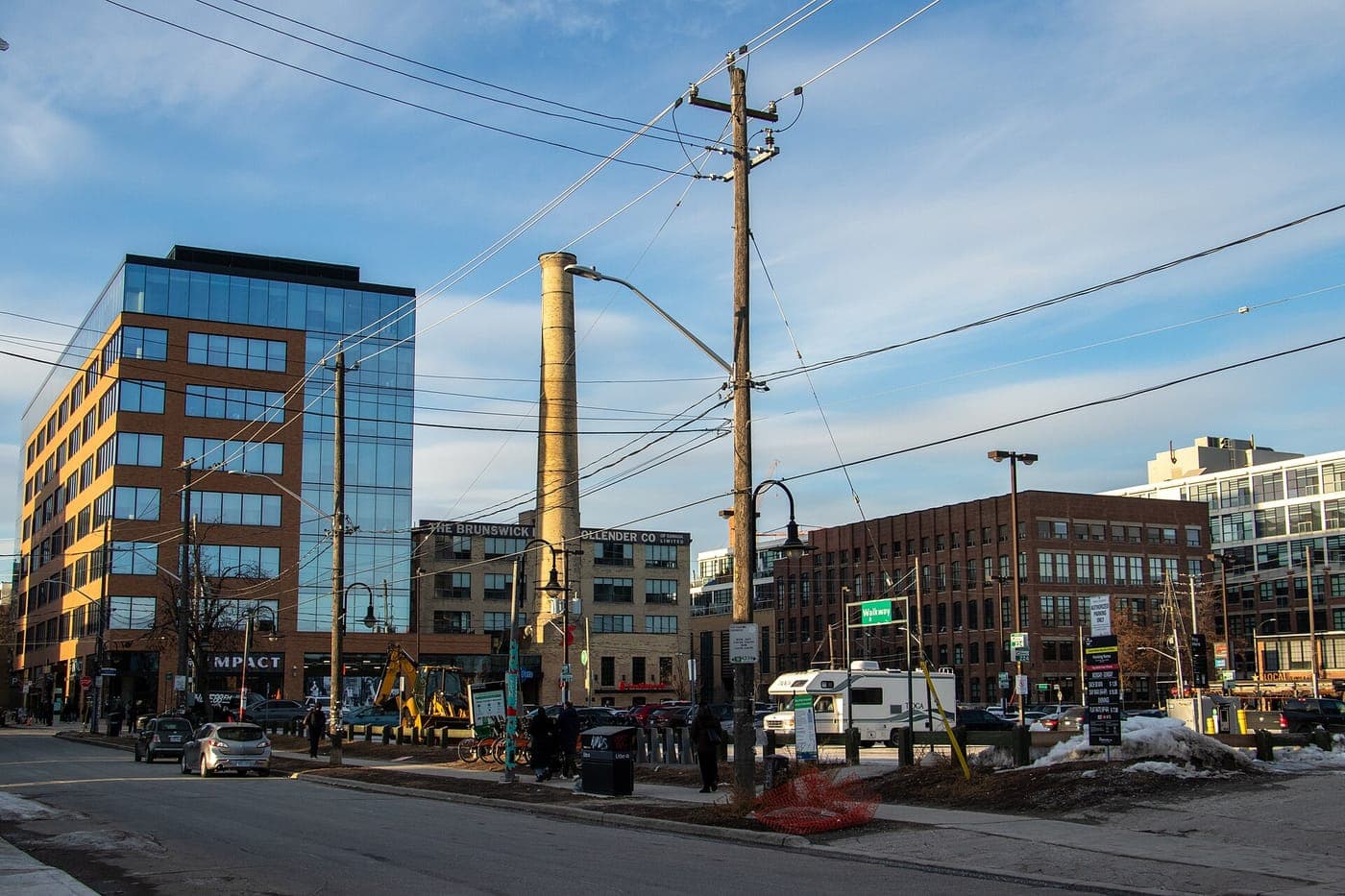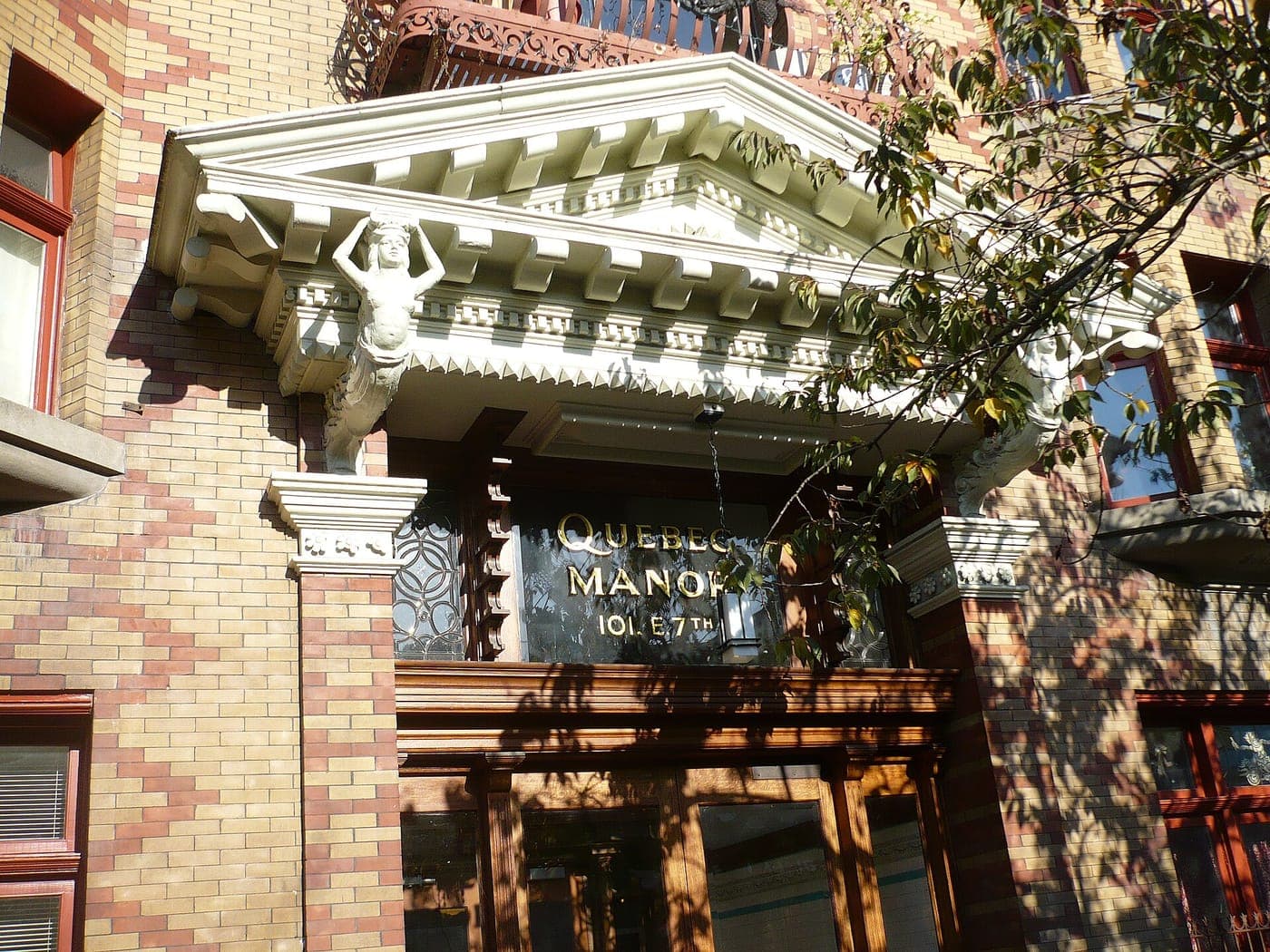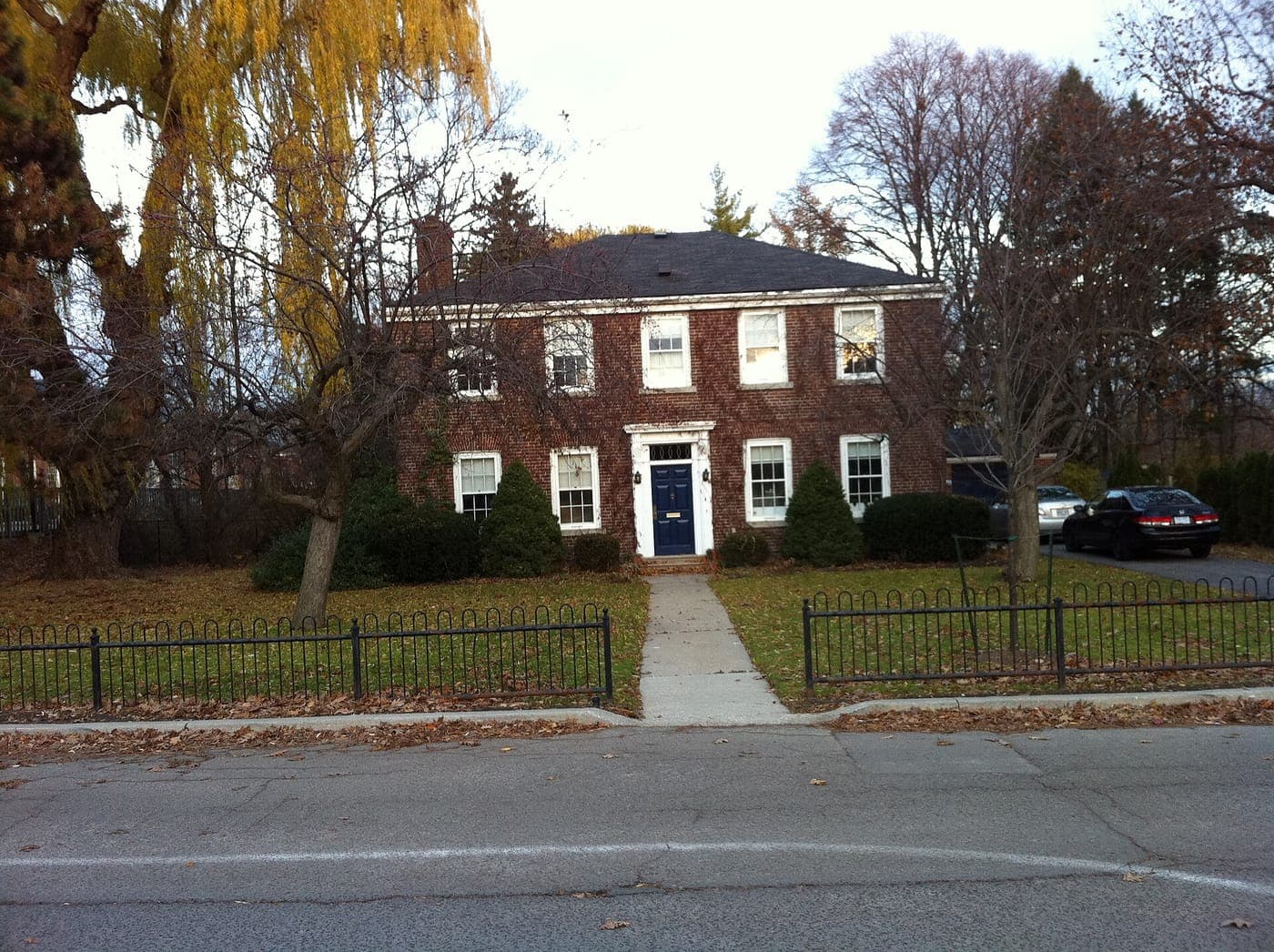
Property owners in Toronto and the Greater Toronto Area now have more options to add rental income to a home they already own or to buy a property with built-in revenue. Secondary suites, laneway houses and small multiplexes — buildings with two to six separate homes under one roof — are drawing attention from people who want a mortgage helper, multigenerational living arrangements, or long-term rental income.
The regulatory landscape has shifted. Understanding what is allowed, what it takes to comply, and what the market offers can help you decide whether a property with income potential fits your goals.
Key Takeaways
- The City of Toronto permits multiplexes with up to four units city-wide; six-unit permissions vary by location.
- Owners can convert an existing house, build a new multiplex, or add housing such as a laneway home on their property, subject to zoning rules and building permits.
- As of late November, Toronto and the GTA had 20,777 homes listed for sale, with a median asking price of $550,000 for condos, $769,900 for townhouses, and $1,275,000 for detached houses.
- Rental income must be reported to the Canada Revenue Agency, and specific expenses can be deducted; consult the CRA and the City for permits and tax obligations.
- Returns depend on location, tenant demand, financing costs, and compliance — hedge expectations and verify all rules before you buy or build.
What the Rules Now Allow
According to the City of Toronto, a multiplex is a building with two to six homes in one residential structure. Four-unit multiplexes are permitted across the city. Six-unit permissions currently depend on where the property is located. The changes, adopted in June 2025, are part of the Expanding Housing Options in Neighbourhoods initiative.
Property owners may convert an existing house into multiple units or construct a new multiplex. Adding housing on a lot — such as a laneway house or a garden suite — is also possible. Every project requires building permits and must meet zoning rules and all City by-laws. The City of Toronto website provides detailed guidance on what you need to consider before starting construction or conversion work.
These are municipal permissions, not guarantees of financial return. Before you proceed, confirm the specific zoning for the property, the permit process, and any restrictions that apply to your lot or neighbourhood. The City is the authority on what is allowed and what approvals you need.
Why Owners and Investors Are Interested
Three motivations come up often when people talk about income properties: mortgage assistance, housing family members, and generating rental income over the long term.
A secondary suite or a laneway house can produce monthly rent that helps cover mortgage payments, property taxes, and maintenance costs. For a homeowner who wants to stay in a neighbourhood but finds the carrying costs steep, rental income can make ownership more sustainable.
Multigenerational living is another driver. A basement suite, a second unit, or a laneway home can house aging parents, adult children, or extended family while preserving privacy and independence. The arrangement can reduce overall housing costs for the family and provide proximity without shared living space.
Investors look at small multiplexes and properties with legal suites as a way to diversify income and spread risk across multiple tenants. A fourplex or a house with two rental units can generate more revenue than a single-family home, though it also brings more management, more maintenance, and more regulatory obligations.
Returns vary widely. Location, tenant demand, vacancy rates, property condition, financing costs, and your ability to manage tenants or pay someone to do it all affect the outcome. Rental income is not passive in practice, and the math changes when interest rates move or when a unit sits empty. Treat any income projection as an estimate, not a certainty, and build in a margin for the unexpected.
What Kinds of Homes Are Listed
As of late November, Toronto and the GTA had 20,777 residential properties listed for sale. Detached houses made up half of the inventory, at 10,425 listings, with a median asking price of $1,275,000. Condos and apartments accounted for 6,620 listings, with a median ask of $550,000. Townhouses numbered 2,970, with a median asking price of $769,900.
Properties with four or more bedrooms — the kind that can accommodate a suite or conversion — totalled 9,051 listings, with a median asking price of $1,299,999. Homes asking under $500,000 represented 2,981 listings, while those asking between $500,000 and $749,999 accounted for 4,967.
Not every listing discloses whether a legal suite, laneway house, or multiplex zoning is already in place. Some properties are sold with income already flowing; others require conversion work and permits before a second unit can be rented legally. When you search, look for terms like "income property," "legal suite," "duplex," "triplex," or "laneway potential" in the listing details, and verify the zoning and permit status with the municipality before you make an offer.
You can explore current Toronto and the GTA listings to see what is available and compare asking prices across property types and neighbourhoods.
What It Means for Buyers
If you are buying a home with income potential, start by confirming that any existing suite or additional unit is legal. Ask the seller for building permits, zoning approvals, and occupancy records. An illegal suite can trigger municipal orders, fines, and insurance complications, and it may not be insurable or financeable.
Lenders treat income properties differently. Some will consider a portion of projected rental income when calculating how much you can borrow; others will not. Mortgage rates for rental properties or multiplexes can be higher than for owner-occupied homes, and down payment requirements may be steeper. Speak with a mortgage broker or lender early to understand what financing looks like for the property type you are considering.
Budget for the work. Converting a basement, building a laneway house, or adding units to an existing structure costs money — often more than initial estimates suggest. Get quotes, factor in permit fees, and add a contingency. If the property needs renovation before it can generate income, you will carry the full cost of ownership until tenants move in.
Location matters for rental demand. A legal suite in a neighbourhood with good transit, schools, and amenities will rent more easily and command higher rent than one in a less connected area. Research comparable rents, vacancy rates, and tenant demographics before you buy. The income you hope for has to be supported by the local rental market.
What It Means for Sellers
If you are selling a property with a legal suite, laneway house, or multiplex zoning, lead with that feature. Buyers looking for income potential will pay attention, and the additional revenue stream can justify a higher asking price — provided the suite is legal, the permits are in order, and the income is documented.
Gather your paperwork before you list. Building permits, zoning approvals, rental agreements, and income records give buyers confidence and speed up due diligence. If the suite or additional unit is not legal, disclose that clearly. Buyers will discover it during their own checks, and surprises erode trust and can kill a deal.
Consider your timing. If the rental market is strong and vacancy rates are low, the income potential of your property will be more attractive. If rental demand has softened, buyers may discount the value of the suite or negotiate harder on price.
Presentation matters. A well-maintained suite with separate access, good light, and functional layout will appeal to buyers. If the space is dated or poorly configured, consider modest updates — fresh paint, new flooring, updated fixtures — that make it easier for a buyer to see the income potential.
For guidance on preparing your home to sell, see our article on getting a home ready to sell in Toronto and the GTA.
What It Means for Investors
Small multiplexes and properties with legal suites can diversify your rental income and reduce the risk that a single vacancy wipes out your cash flow. A fourplex with one vacant unit still generates income from three others. A house with a basement suite and a main-floor tenant offers similar resilience.
But more units mean more management. You will deal with more tenant turnover, more maintenance calls, and more regulatory obligations. If you hire a property manager, that cost will reduce your net income. If you manage the property yourself, factor in the time and the learning curve.
Rental income is taxable. According to the Canada Revenue Agency, you must report rental income on your tax return and you can deduct certain expenses, including advertising, insurance, interest, property taxes, repairs, utilities, and management fees. Capital expenses — such as adding a new suite or replacing a roof — are treated differently and may be deducted over time through capital cost allowance. The CRA guide on rental income provides detailed rules; consult it or speak with an accountant to understand what you can and cannot deduct.
Returns depend on rent, occupancy, expenses, and financing costs. A property that generates strong cash flow at a low interest rate may lose money if rates rise and your mortgage renews at a higher cost. Run multiple scenarios, stress-test your assumptions, and do not rely on appreciation to make the investment work. Income properties should generate positive cash flow or come close, even in a flat market.
For more on investment considerations, see our article on buying a condo to rent out in Toronto and the GTA.
Outlook
The supply of homes with income potential will grow as more owners take advantage of the City's multiplex permissions and as builders respond to demand for small multi-unit properties. Regulatory changes have opened the door, but the pace of construction and conversion will depend on financing costs, construction capacity, and whether the rental market supports the investment.
Rental demand in Toronto and the GTA remains strong, driven by population growth, immigration, and affordability pressures that keep many households renting longer. But demand is not uniform across neighbourhoods or unit types, and vacancy rates can shift quickly when new supply comes online or when economic conditions change.
Interest rates will continue to shape what investors can afford and what returns they can expect. Lower rates make income properties more accessible and improve cash flow; higher rates do the opposite. Watch the Bank of Canada's policy direction and factor rate risk into any long-term plan.
If you are considering a property with income potential, do the homework. Verify zoning, confirm permits, model the income and expenses, and understand the tax and regulatory obligations. The opportunity is real, but so are the risks and the work involved.
If you would like to explore what is available in Toronto and the GTA, or if you want a free home valuation for a property you own, Renanza can help. Our team knows the market and can walk you through the options that fit your goals.
Sources
Renanza Realty — Analysis of active MLS® listings (CREA DDF®) — Toronto & the GTA, November 2026 City of Toronto — Multiplex housing Canada Revenue Agency — Rental income (guide T4036), revised 2025
Data last checked: 2026-11-23