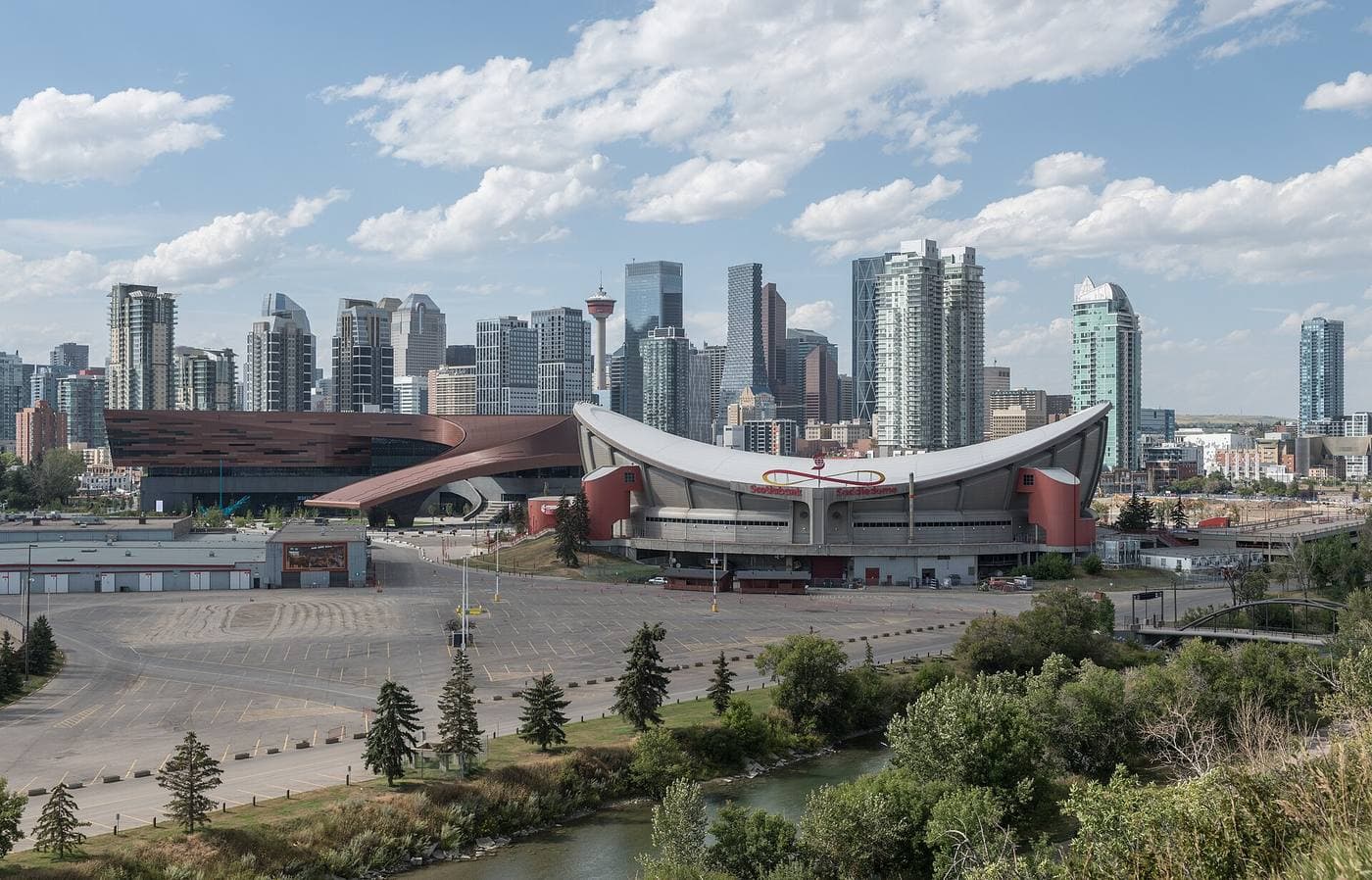
Calgary's commercial real estate market presents 555 active listings as of November 2026, split between 456 properties for sale and 99 available for lease. The inventory spans office buildings, retail spaces, industrial facilities, multi-family investments, operating businesses and agricultural land, each serving different investor goals and owner-occupier needs.
Key Takeaways
- Multi-family investments lead the for-sale market with 74 listings at a median asking price of $1,714,500, with 27 properties added in the last month
- Operating businesses and hotels represent the largest category with 196 listings for sale at a median ask of $175,000
- Industrial properties carry the highest median asking price among active categories at $1,277,000, with 53 for sale and 13 for lease
- Office space shows balanced activity with 31 properties for sale and 39 for lease
- First-time commercial buyers face different financing rules, lease structures and zoning considerations than residential purchasers
Where the Activity Is
Multi-family buildings draw steady interest from investors seeking rental income streams. The 74 properties for sale include apartment buildings, fourplexes and other residential rental assets. Nearly half the inventory turned over recently, with 27 listings added in the past thirty days. These properties appeal to investors who want predictable monthly revenue from multiple tenants under one roof, and to those building a portfolio that can weather individual vacancies.
Operating businesses and hotels dominate the listing count. The 196 properties for sale range from established retail operations to hospitality ventures, with a median asking price of $175,000 that reflects the wide spectrum from small service businesses to larger going concerns. Buyers in this category often seek an income source they can manage directly, or an acquisition that fits an existing business strategy.
Retail properties offer 90 listings for sale at a median ask of $799,500, plus 45 spaces for lease. The for-sale inventory attracts investors who want ownership and control, while lease listings serve retailers testing a location or preferring to deploy capital into inventory and operations rather than real estate. Fifteen new retail listings appeared in the last month.
Industrial facilities, with 53 properties for sale and 13 for lease, carry a median asking price of $1,277,000. Warehouses, distribution centres, workshops and flex spaces in this category appeal to owner-occupiers who want to control their operating environment and avoid rent increases, and to investors drawn to long-term leases with stable tenants. Nine industrial listings were added in the past thirty days.
Office buildings show 31 properties for sale at a median ask of $895,000 and 39 spaces for lease. The balance between sale and lease inventory reflects a market where some investors seek ownership and others prefer flexibility. Fifteen office listings joined the market in the last month.
Agricultural land and farms represent a smaller segment with 12 properties for sale at a median asking price of $3,475,000. These holdings attract buyers interested in farming operations, land banking for future development, or diversification into tangible assets outside urban real estate.
What First-Time Commercial Buyers Should Know
Commercial real estate financing works differently than a home mortgage. Lenders typically require larger down payments, often between twenty and thirty-five percent of the purchase price, and assess the property's income potential alongside the borrower's financial strength. Loan terms are shorter, amortization periods vary, and interest rates reflect the higher risk lenders assign to commercial transactions. A buyer should arrange financing early and understand that approval depends on the property's lease agreements, tenant quality and cash flow, not just personal income.
Leases shape a commercial property's value. A building with long-term tenants on signed leases offers more predictable income than one with month-to-month occupancy or upcoming renewals. Buyers need to review every lease: who pays property taxes, insurance and maintenance; how rent increases are structured; whether tenants can terminate early; and what happens if a space sits vacant. The lease terms directly affect operating costs and net income.
Zoning determines what a property can be used for, and municipalities enforce these rules strictly. A building zoned for light industrial use cannot legally house a restaurant without a zoning change, a process that takes time and offers no guarantee of approval. Before buying, confirm that current and intended uses comply with zoning bylaws, and check whether any non-conforming uses are grandfathered but would be lost if the property changes hands.
What It Means for Investors
Investors choose commercial real estate for income, portfolio diversification and inflation protection. Multi-family properties generate monthly rent from multiple units, spreading risk across tenants. Retail and office buildings can deliver stable returns when leased to creditworthy tenants on long terms. Industrial facilities often attract tenants who invest in improvements and stay for years, reducing turnover costs.
Commercial property requires active management or the cost of hiring a property manager. Tenant relationships, lease negotiations, maintenance and regulatory compliance demand attention. Investors should assess whether they have the time and expertise to manage the asset, or budget for professional management that will reduce net income.
The Bank of Canada's policy rate stood at 2.50 percent as of late October 2026, and the five-year posted mortgage rate for major chartered banks was 6.19 percent as of the same period. Most borrowers negotiate rates below the posted figure, but commercial loans typically carry higher rates than residential mortgages and reflect both the policy environment and the lender's assessment of the property and borrower.
What It Means for Owner-Occupiers
Buying the building your business operates in eliminates rent payments and puts equity to work in an asset you control. Owners avoid lease renewals, landlord restrictions and the risk of eviction or steep rent increases. Over time, mortgage payments build equity, and the property may appreciate, creating wealth outside the operating business.
Ownership also brings responsibility. Property taxes, insurance, maintenance, repairs and capital improvements fall to the owner. A furnace replacement or roof repair that a landlord would have covered becomes the owner's expense. Buyers should budget for these costs and maintain reserves for unexpected repairs.
Financing a property for owner-occupier use may be easier than financing a pure investment, because lenders see the owner's business income as additional security. Still, lenders will scrutinize the business's financial health, the property's condition and whether the purchase leaves the business with enough working capital.
Outlook
Calgary's commercial market offers a range of property types and price points, from small operating businesses to multi-million-dollar agricultural holdings. Activity varies by category, with multi-family investments and operating businesses drawing the most listings, while industrial and office properties show balanced interest between buyers and tenants.
Interest rates influence borrowing costs and investor returns, and the broader economy affects tenant demand and lease rates. Buyers entering the market should focus on properties that match their goals, conduct thorough due diligence on leases and zoning, and secure financing that reflects the realities of commercial lending.
If you're considering a commercial property in Calgary, Renanza can help you understand what's available and navigate the process. Explore Calgary commercial listings or reach out for guidance tailored to your investment or business needs.
Sources
- Renanza Realty — Analysis of active commercial MLS® listings (CREA DDF®) — Calgary, November 2026
- Bank of Canada — Target for the overnight rate (policy interest rate), October 2026
- Bank of Canada — Conventional mortgage, 5-year posted rate (major chartered banks), October 2026
Data last checked: 2026-11-03