Shelter costs in Canada rose 1.3 percent in July 2026 compared to the same month a year earlier, marking one of the slowest rates of increase in recent years. At the same time, headline inflation climbed to 3.0 percent, meaning the cost of housing is now rising more slowly than the broader basket of goods and services Canadians buy.
This split matters. For most of the past three years, shelter has been the single largest driver pushing overall inflation higher. Now that relationship has reversed, and the implications reach into every corner of the housing market—from what buyers can afford to how landlords set rents to whether the Bank of Canada will cut rates further.
Key Takeaways
- Shelter costs increased 1.3 percent year-over-year in July 2026, well below the 3.0 percent headline inflation rate.
- Core inflation measures—CPI-trim at 1.9 percent and CPI-median at 2.0 percent—are both inside the Bank of Canada's target range.
- The Bank's policy rate sits at 2.25 percent as of September 2026, with shelter no longer exerting upward pressure on monetary policy.
- Slower shelter inflation eases pressure on household budgets but does not reverse the cumulative cost increases of the past four years.
- Buyers face a more stable cost environment; sellers may see less urgency from stretched households.

What the Numbers Show
The shelter component of the Consumer Price Index stood at 190.3 in July 2026, up from 187.9 in July 2025. Month-over-month, the index edged up just 0.1 percent from June, signalling that the pace of increase has slowed to a crawl.
Shelter is a broad category. It includes mortgage interest costs, rent, property taxes, homeowners' insurance, and maintenance. When any of these components rises quickly, it shows up in the index. The 1.3 percent annual increase in July suggests that most of these elements are now growing at modest rates, or in some cases declining.
Meanwhile, the Bank of Canada's preferred core measures—CPI-trim and CPI-median—came in at 1.9 percent and 2.0 percent respectively in July. Both sit comfortably within the central bank's one-to-three percent target band. CPI-common, a third measure the Bank tracks but weighs less heavily, registered 2.7 percent.
The policy rate remains at 2.25 percent following the Bank's September announcement. With shelter inflation no longer a concern and core measures anchored near target, the central bank has room to hold or adjust rates based on broader economic conditions rather than housing-specific pressures.
Why Shelter Inflation Slowed
Several forces converged to take the heat out of shelter costs. Mortgage interest costs, which spiked during the tightening cycle of 2022 and 2023, have stabilized as the Bank of Canada paused and then began lowering rates. Rent growth has also moderated in many markets as new supply comes online and demand softens with slower population growth.
Property tax increases, while still present in most municipalities, have not accelerated at the pace seen in prior years. Insurance and maintenance costs continue to rise, but not enough to offset the cooling in the larger components.
The result is a shelter index that is no longer pulling the overall inflation rate higher. Instead, it is acting as a drag, bringing the average down. This is a significant shift from the 2022–2024 period, when shelter was routinely adding half a percentage point or more to headline CPI.
What It Means for Buyers
Buyers benefit from the combination of slower shelter inflation and a stable or declining interest rate environment. Mortgage rates, while still elevated compared to the ultra-low levels of 2020 and 2021, are no longer climbing. The five-year posted rate at major chartered banks stood at 6.09 percent in early September, though actual discounted rates offered to qualified borrowers are materially lower.
Slower inflation in shelter costs also means that the carrying costs of homeownership—property taxes, insurance, utilities, maintenance—are rising at a more predictable pace. This makes budgeting easier and reduces the risk of payment shock after closing.
For first-time buyers, the cooling in shelter inflation removes one psychological barrier. The fear that costs will spiral upward indefinitely has eased, even if affordability remains stretched in many markets.
If you are weighing a purchase and want to understand what a home is worth in the current market, Renanza offers a free home valuation that draws on live data and local comparables.
What It Means for Sellers
Sellers face a more nuanced picture. On one hand, slower shelter inflation suggests that buyers are not feeling the same urgency to lock in a purchase before costs rise further. This can translate into longer days on market and more negotiation over price.
On the other hand, stable or falling interest rates improve buyer purchasing power, which can support demand. The net effect depends on the local market. In cities where inventory is tight and employment is strong, sellers retain leverage. In markets with rising supply and weaker job growth, the balance has shifted toward buyers.
Sellers should also consider that slower inflation in shelter costs means that the replacement cost of housing—what it would cost a buyer to rent instead—is not rising as quickly. This narrows the financial advantage of owning versus renting, which can dampen buyer motivation.
The Bigger Economic Picture
The divergence between headline and shelter inflation reflects broader shifts in the Canadian economy. Goods prices, particularly for food and energy, have been more volatile. Services inflation outside of shelter has also picked up. The 3.0 percent headline figure in July suggests that while housing costs have cooled, other parts of the consumption basket are still running hot.
This matters for monetary policy. The Bank of Canada looks at the full range of inflation measures, not just one component. With core inflation near target and shelter no longer a problem, the central bank has flexibility. It can prioritize growth and employment without worrying that housing costs will reignite inflation.
For households, the practical impact is that the cost of living is still rising, but the composition has changed. A family that saw its mortgage payment stabilize may still face higher grocery bills or insurance premiums. The relief is real but uneven.
What to Watch in the Months Ahead
Shelter inflation is unlikely to reverse course sharply in either direction. The index tends to move slowly because many of its components—rent, property taxes, insurance—are sticky and adjust on annual cycles. Mortgage interest costs are the most volatile element, and those will track the Bank of Canada's policy decisions.
If the central bank cuts rates further, mortgage interest costs could decline, pulling the shelter index down. If rates hold steady or rise, shelter inflation will likely remain in the low single digits. Either way, the days of shelter driving headline inflation higher appear to be over for now.
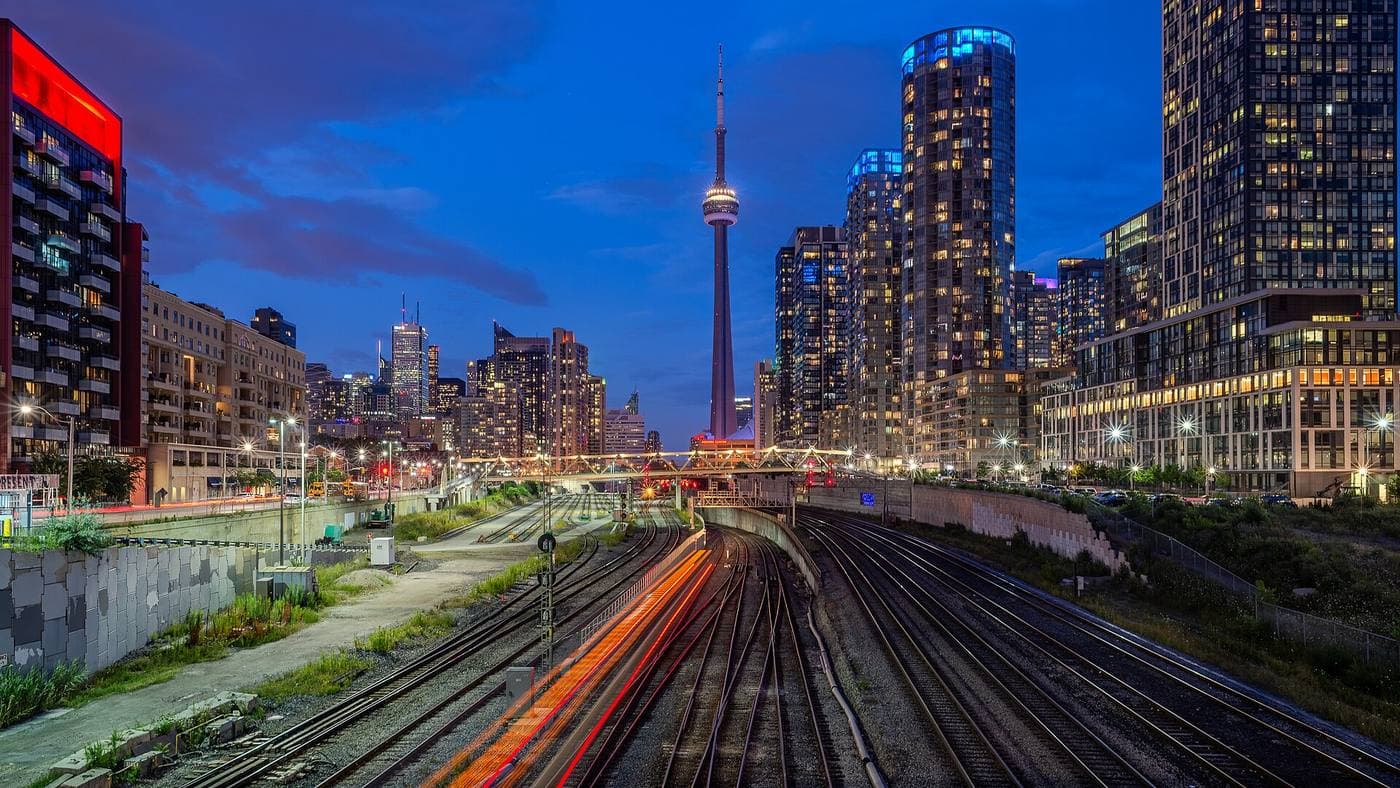
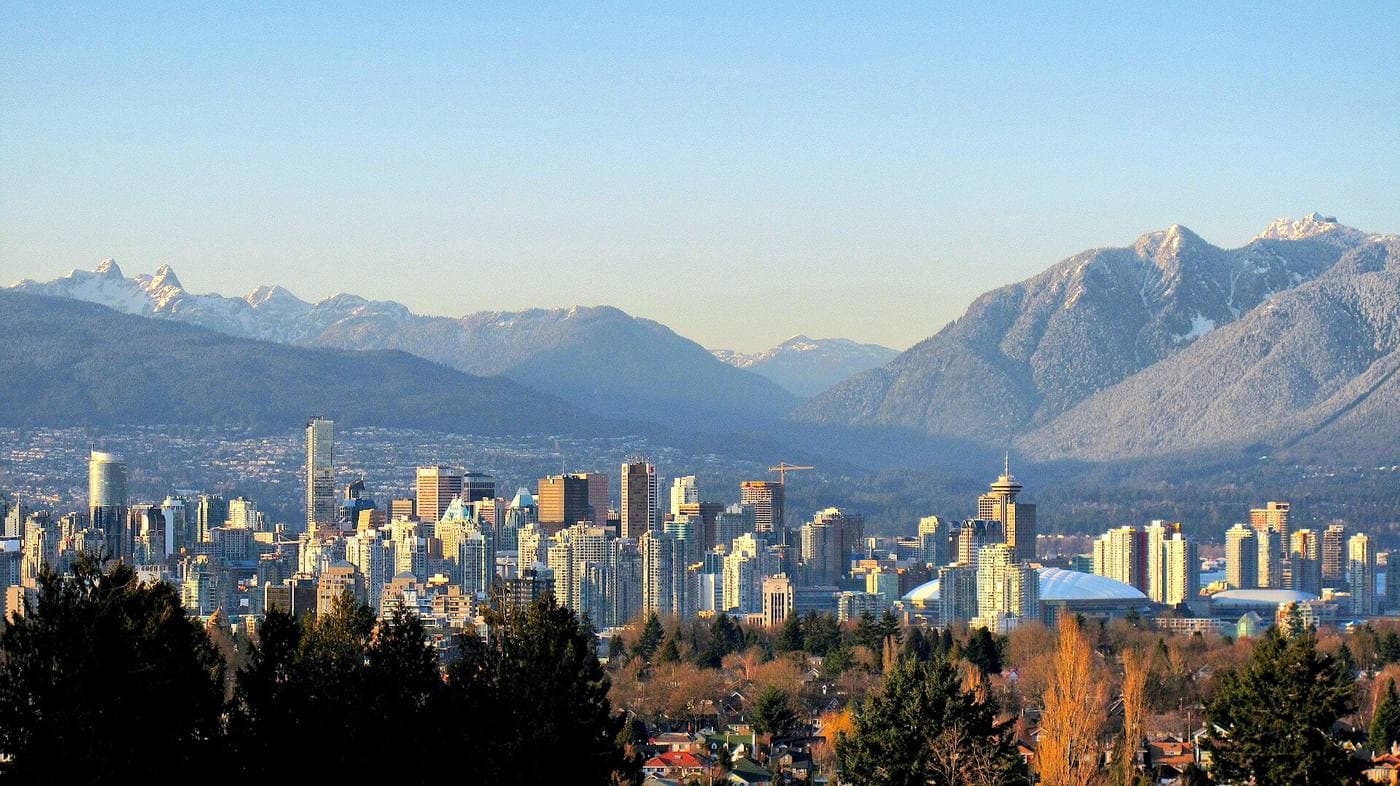
Buyers and sellers should focus on local conditions rather than national averages. Shelter inflation in Toronto or Vancouver may behave differently than in Calgary or Halifax. Population growth, housing starts, and employment trends all vary by region, and those factors matter more than the national index.
Browse active listings across Canada on Renanza's residential search to see how inventory and pricing are evolving in your market.
Outlook
The July 2026 data marks a turning point. Shelter costs, which dominated the inflation story for years, are no longer the main concern. Headline inflation remains above the Bank of Canada's two percent target, but the pressure is coming from other sources.
For housing markets, this creates a more stable environment. Buyers face fewer surprises in carrying costs. Sellers must adjust to a market where urgency has faded but purchasing power is improving. Investors can plan with more confidence that shelter costs will not spike unexpectedly.
The cumulative impact of past inflation has not disappeared. Housing is still expensive relative to incomes, and many households are stretched. But the direction has changed, and that matters. The next phase of the market will be shaped by employment, wage growth, and regional supply dynamics, not by runaway shelter inflation.
Sources
- Statistics Canada, Consumer Price Index including shelter (Table 18-10-0004-01), July 2026
- Bank of Canada, Total CPI year-over-year change, July 2026
- Bank of Canada, Core inflation measures (CPI-trim, CPI-median, CPI-common), July 2026
- Bank of Canada, Target for the overnight rate, September 2026
- Bank of Canada, Conventional mortgage 5-year posted rate, September 2026
Data last checked: 2026-09-07