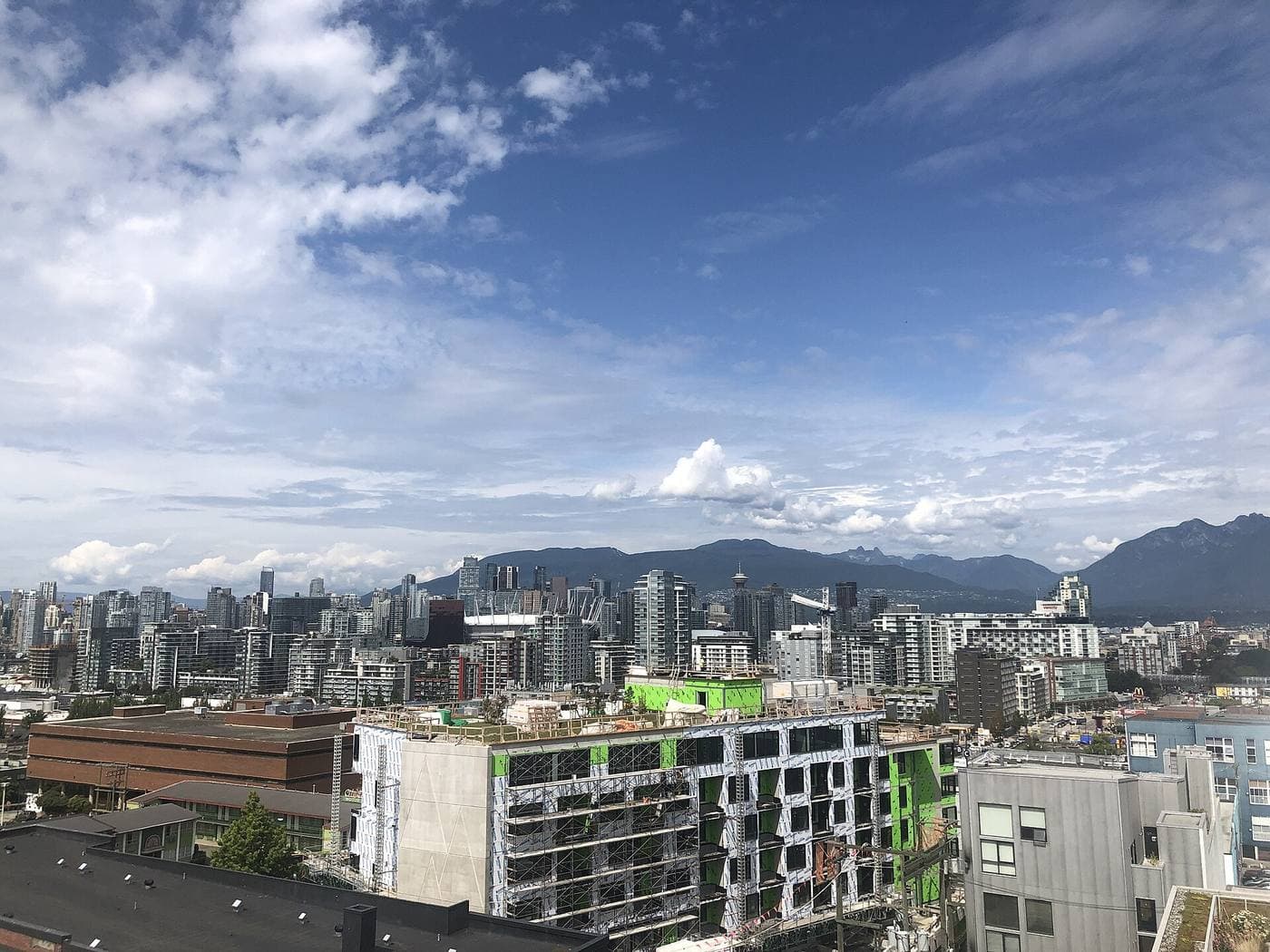
The Bank of Canada set its policy rate at 2.25 percent as of August 25, 2026. That number matters because it ripples through the entire mortgage market, affecting what you'll actually pay each month and how much home you can afford. If you're buying, selling, or refinancing in Greater Vancouver, understanding the connection between the policy rate and your mortgage cost is essential.
Key Takeaways
- The Bank of Canada's policy rate stands at 2.25 percent as of late August 2026.
- Variable-rate mortgages move in step with the policy rate; fixed rates are influenced by it but follow bond market expectations.
- The five-year posted rate at major banks was 6.09 percent the week of August 26, but actual borrower rates are discounted well below that figure.
- Lower rates mean stronger purchasing power: the same monthly payment buys more home than it did when rates were higher.
- Sellers benefit indirectly as more buyers qualify and compete for available inventory.

How the Policy Rate Connects to Your Mortgage
The policy rate is the interest rate the Bank of Canada charges on overnight loans to financial institutions. When it moves, the cost of borrowing across the economy adjusts. Variable-rate mortgages are tied directly to lenders' prime rates, which track the policy rate closely. A lower policy rate means a lower prime, and that flows straight through to your variable mortgage payment.
Fixed-rate mortgages work differently. Lenders price them based on Government of Canada bond yields, which reflect what the market expects rates to do over the next several years. The policy rate influences those expectations, but fixed rates don't move in lockstep the way variable rates do.
The five-year posted rate at Canada's six major chartered banks was 6.09 percent for the week starting August 26, 2026. That posted rate is a benchmark figure, not what most borrowers actually pay. Lenders routinely discount it, sometimes by more than a full percentage point, depending on your credit profile, down payment, and whether you work with a mortgage broker. The posted rate matters for stress-test calculations, but your contract rate will be lower.
What This Means for Buyers in Greater Vancouver
A policy rate of 2.25 percent is meaningfully lower than the peaks seen in recent years. That translates into two concrete advantages if you're shopping for a home.
First, your monthly carrying cost is lower. Whether you choose variable or fixed, the rate environment today is more favourable than it was twelve or eighteen months ago. A lower rate means more of your payment goes toward principal rather than interest, and your monthly outlay shrinks for the same mortgage amount.
Second, you qualify for more. Mortgage stress tests require you to prove you can afford payments at a rate higher than your contract rate. With the five-year posted rate at 6.09 percent, the qualifying rate for most insured mortgages sits just above six percent. That's still a hurdle, but it's a lower one than when posted rates were higher. The result: the same household income and down payment now support a larger mortgage, which means access to a broader range of properties in Greater Vancouver's market.
This is especially relevant in a region where affordability has been squeezed for years. Even a modest improvement in borrowing capacity can mean the difference between a one-bedroom condo and a two-bedroom, or between a townhouse in the outer suburbs and one closer to transit.
What This Means for Sellers
If you're listing a property, the rate environment works in your favour indirectly. More buyers qualify, and those who do can afford to bid higher without stretching their monthly budget. That doesn't guarantee multiple offers or a bidding war—Greater Vancouver's market dynamics depend on inventory levels, seasonal patterns, and neighbourhood specifics—but it does mean the pool of potential buyers is larger and better capitalized than it would be in a high-rate environment.
Lower rates also reduce the psychological friction of buying. When mortgage costs feel manageable, buyers move from browsing to serious offers more quickly. If your home is priced correctly and presented well, you're more likely to see activity in the first two weeks on market, which is when most sales happen.
One caution: if you're selling and buying at the same time, remember that the same favourable rate environment applies to the home you're purchasing. You're competing with other buyers who also have stronger purchasing power. Sequencing and timing matter, and it's worth having a clear plan before you list.
Fixed or Variable Right Now?
With the policy rate at 2.25 percent and the overnight repo rate—a closely watched market indicator—also at 2.25 percent as of August 25, variable rates are attractive. If you believe the Bank of Canada will hold steady or cut further, a variable mortgage lets you benefit immediately from any future decreases.
Fixed rates offer certainty. You lock in your cost for five years and you're insulated from any surprises. The trade-off is that you won't benefit if rates fall further, and breaking a fixed mortgage early usually carries a steeper penalty than breaking a variable.
There's no universal right answer. Your choice depends on your risk tolerance, how long you plan to stay in the home, and whether you value predictability over potential savings. A mortgage broker or advisor can model both scenarios with your specific numbers.
What to Watch Going Forward
The Bank of Canada adjusts its policy rate eight times a year on a published schedule. The next decision will signal whether the central bank sees inflation and economic growth as stable enough to hold rates where they are, or whether further cuts are warranted.
Bond markets will also tell you something. If five-year Government of Canada bond yields start climbing, fixed mortgage rates will follow, even if the policy rate stays put. Watching both gives you a fuller picture.
For Greater Vancouver specifically, rate changes don't operate in isolation. Inventory levels, immigration patterns, and provincial housing policy all shape what actually happens to prices and sales volumes. Lower rates make homes more accessible, but they don't create supply.
Making Your Move
If you're ready to buy or sell in Greater Vancouver, now is a good time to get pre-approved and understand exactly what you qualify for under current conditions. Rates are more favourable than they've been in a while, and that window won't stay open indefinitely.
Renanza Realty works with buyers and sellers across Greater Vancouver every day. Whether you're trying to figure out what you can afford, how to position your listing, or what your home is worth in today's market, we can walk you through it. Get a free home valuation or explore current listings in Greater Vancouver to see what's available right now.
Sources
- Bank of Canada, Target for the overnight rate (policy interest rate), as of August 25, 2026
- Bank of Canada, Conventional mortgage, 5-year posted rate (major chartered banks), week of August 26, 2026
- Bank of Canada, Canadian Overnight Repo Rate Average (CORRA), as of August 25, 2026
Data last checked: 2026-08-26