Key Takeaways
- 2,546 three-bedroom homes are listed at a median asking price of $1,288,000, and 4,598 four-plus-bedroom homes at $1,999,900 as of October 15, 2026.
- Detached houses make up the largest share of family-size listings, concentrated in municipalities farther from the downtown core.
- Families often weigh the trade-off between a yard and a shorter commute, between a newer townhouse and an older house with more land.
- The decision hinges on daily rhythms: school drop-offs, work travel, weekend routines and how much outdoor space matters to the household.
What the Numbers Show About Space and Price
As of October 15, 2026, Greater Vancouver has 2,546 three-bedroom homes listed at a median asking price of $1,288,000, and 4,598 homes with four or more bedrooms at a median of $1,999,900. Together, these larger homes represent just over half of all residential listings in the region.
Detached houses dominate the family-size inventory. Of the 4,676 detached homes on the market, the median asking price sits at $2,050,000, with a median of 65 days listed so far. Townhouses, at 1,764 listings and a median ask of $1,050,000, offer a middle ground: more space than a condo, often with a small yard or patio, and a price point that works for households stretching to stay closer to work or transit.
Condos and apartments, which make up 5,875 listings at a median of $688,000, rarely offer the bedroom count or outdoor space families with children prioritize. Most of the three- and four-bedroom stock sits in detached and attached homes, and those homes cluster in specific municipalities.
Where the Family-Size Homes Sit
Vancouver itself has 4,321 homes listed, but the city's detached stock skews expensive and older, and many families look to neighbouring municipalities for more space at a lower entry point. Burnaby, with 1,771 listings, offers a mix of townhouses near SkyTrain stations and detached homes in quieter pockets. Richmond, at 1,790 listings, draws families who want newer builds, good schools and proximity to the airport for work or travel.
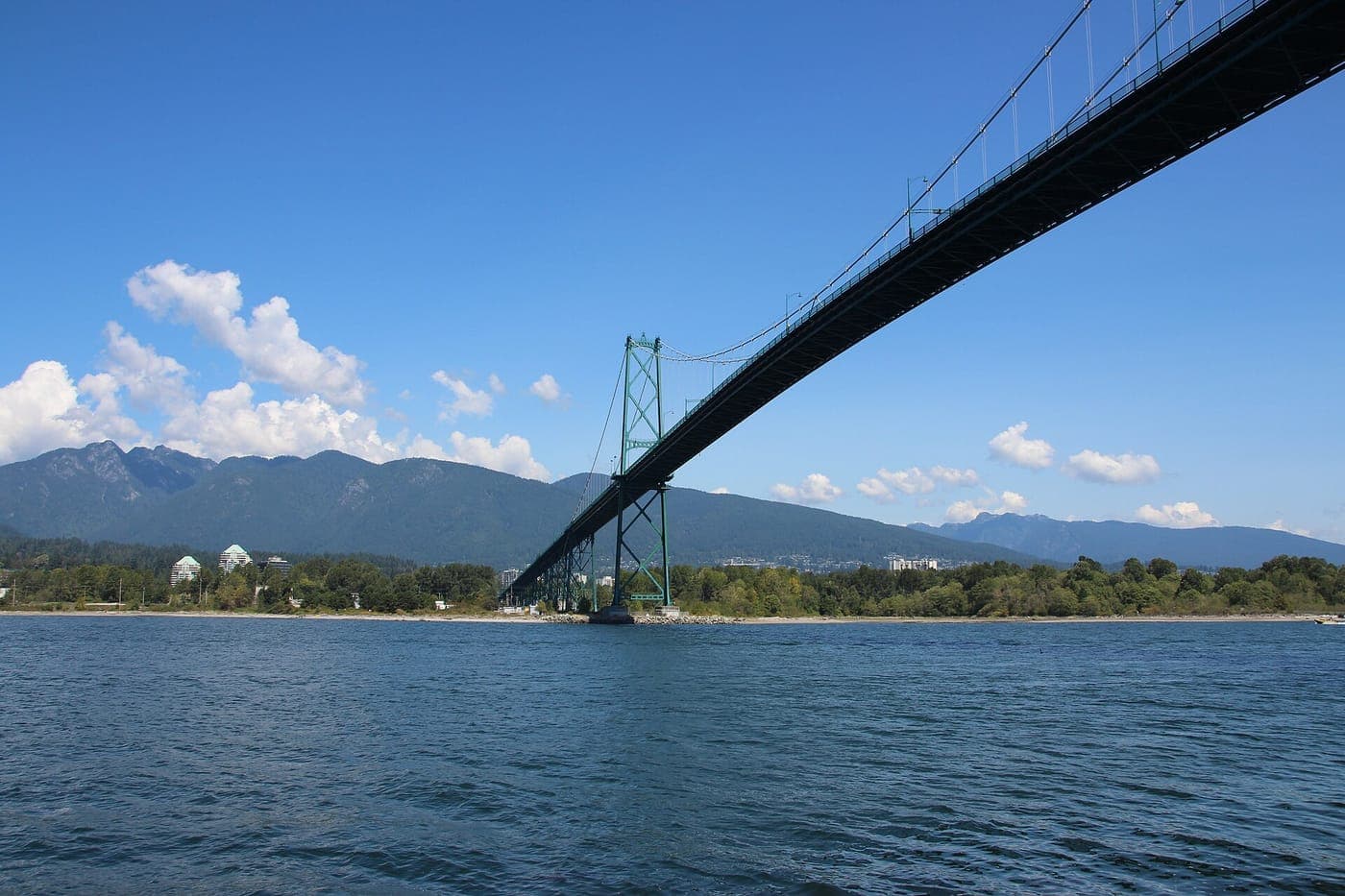
Coquitlam, with 1,119 listings, and Maple Ridge, at 798, sit farther east. Both offer larger lots, newer subdivisions and a suburban rhythm: driving to most errands, but trails and parks close by. North Vancouver, with 922 listings, appeals to families who want the mountains at their doorstep and are willing to navigate bridge traffic or take the SeaBus.
Delta and New Westminster, at 628 and 579 listings respectively, round out the options. Delta's detached homes often come with bigger yards and a quieter pace. New Westminster offers older character homes and newer towers, with SkyTrain access that shortens the commute to downtown Vancouver or Burnaby.
The Trade-Offs Families Weigh
The decision to buy a family-size home in Greater Vancouver is rarely about the house alone. It is about what daily life looks like: how long it takes to get to work, whether the kids can walk to school, how much time the household spends in the car, and whether a yard or a nearby park matters more.
Families who stay closer to Vancouver or Burnaby often trade square footage for location. A three-bedroom townhouse near a SkyTrain station means a shorter commute, walkable shops and less time driving. The yard is smaller, sometimes just a patio, but the household gains time and access.
Families who move east to Coquitlam, Maple Ridge or farther into the Fraser Valley gain space: a detached house with a yard, room for a trampoline or a garden, a basement that can be finished for play space or guests. The trade-off is the commute. One or both adults may spend an hour or more each way, and weekend errands often mean driving.
Some families split the difference with a townhouse in a newer development. These homes often come with three or four bedrooms, a small yard or patio, and proximity to schools and parks. The price sits between a condo and a detached house, and the maintenance is lighter than an older home.
Others prioritize the neighbourhood itself: a street where kids play outside, a school they trust, a community centre or library within walking distance. The house may be older, the layout less open, but the daily rhythms feel right.
What to Know Before You Make the Move
If you are looking for a family-size home in Greater Vancouver, start by mapping your non-negotiables. How much commute time can the household absorb? Does one adult work from home, changing the calculus? Do the kids need to stay in a specific school catchment, or are you open to a new district?
Visit neighbourhoods at different times of day. Drive the commute during rush hour. Walk the streets on a weekend morning. Notice where families gather, how much traffic moves through, whether the parks feel safe and maintained.
Look at the home's layout, not just the bedroom count. A four-bedroom house with tiny bedrooms and one bathroom may feel tighter than a three-bedroom with better flow and two full baths. Check the yard: is it flat and usable, or steep and hard to maintain? Is there room for a deck, a garden, a play structure?
If you are considering a townhouse, ask about strata fees and what they cover. Some complexes include landscaping, snow removal and exterior maintenance; others leave more to the owner. Read the strata minutes to understand how the building is managed and whether there are upcoming assessments.
For detached homes, budget for maintenance and repairs. Older homes often need work: a roof, windows, a furnace, updated electrical. Get a home inspection and factor those costs into your decision.
Renanza can help you compare listings, understand what is available in different municipalities, and think through the trade-offs that matter to your household. Explore Greater Vancouver listings or request a free home valuation if you are selling to move.
What the Lifestyle Looks Like
Living in a family-size home in Greater Vancouver means different things depending on where you land. In Vancouver or Burnaby, it often means a townhouse or an older detached home, a short walk to transit, and weekends spent at nearby parks or community centres. The commute is manageable, the neighbourhood walkable, but the space is tighter.
In Coquitlam, Maple Ridge or Delta, it means a detached house with a yard, room for the kids to run, and a car-dependent rhythm. The commute is longer, but the household gains space and a quieter pace. Weekends might mean hiking trails, farmers' markets or driving to activities.
In North Vancouver, it means the mountains are part of daily life. Families hike after school, ski in winter, and navigate bridge traffic or the SeaBus to get downtown. The trade-off is worth it for households who prioritize outdoor access.
In Richmond, it means newer builds, good schools and proximity to the airport. The neighbourhood is often suburban, with wide streets and newer parks, and the commute to Vancouver or Burnaby is manageable via the Canada Line or Highway 99.
Each choice shapes how the family spends its time, where it builds community, and what daily life feels like. The right answer depends on the household's priorities, not on a single metric.
Sources
Renanza Realty — Analysis of active MLS® listings (CREA DDF®) — Greater Vancouver, as of October 15, 2026
Data last checked: 2026-10-15